RHS Award of Garden Merit: A Gold Standard for Gardeners
For gardeners seeking reliability and beauty, the RHS Recommended: Award of Garden Merit (AGM) serves as a premier seal of approval. Awarded by the British Royal Horticultural Society (RHS), this distinction is not merely a suggestion; it is a rigorous certification based on how plants perform under actual UK growing conditions. Whether you are planting a small container or a large landscape, the AGM symbol provides confidence that your chosen plant is capable of thriving.
The award covers a vast spectrum of flora, including annuals, biennials, perennials, shrubs, and trees. It also extends to plants grown for specific functional purposes, such as vegetable crops, fruit, hedging, topiary, groundcover, summer bedding, and houseplants. To earn this status, a plant must demonstrate exceptional characteristics, including robustness, hardiness, longevity, and a high quality of flowering or fruiting. Crucially, the RHS evaluates how well a plant handles environmental challenges like wind and frost.
Key Facts
- Established: The award has been presented annually since 1922.
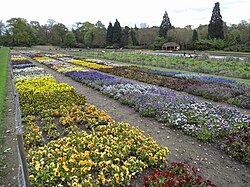
- Basis of Selection: Awards are determined through extensive plant trials, often conducted at the RHS Garden Wisley.
- Scope: Includes everything from decorative flowers to edible vegetables and trees.
- Review Process: The list is reviewed annually to ensure plants remain available and superior to newer cultivars.
- Symbol: The AGM is represented by a distinctive cup-shaped trophy with handles.
The Rigorous Selection Process
The journey to receiving an AGM is demanding. Unlike awards based solely on aesthetic opinion, the RHS relies on scientific observation and field trials. These trials may span several years to ensure long-term performance is documented. Observations are conducted at RHS Garden Wisley, other specialized gardens, or through the monitoring of specialist collections. Detailed trial reports are made available to the public via booklets and the official RHS website.
Because horticulture is constantly evolving, the RHS performs regular reviews. While reviews were originally scheduled every ten years, they are now conducted annually. This ensures that the list remains relevant. For example, a major review in 2012/13—informed by plant committees and specialist societies—resulted in significant changes, with over 1,400 plants gaining awards and nearly 1,900 losing them to maintain the highest standards.
Criteria for Excellence
To qualify for the Award of Garden Merit, a plant must meet several strict requirements:
- It must be horticulturally available (easy for gardeners to purchase).
- It must demonstrate outstanding excellence for garden use or decoration.
- It must possess a good constitution (overall health and strength).
- It must not require highly specialist care or extreme growing conditions.
- It must be relatively resistant to pests and diseases.
- It must not be prone to unreasonable reversion (losing its specific characteristics).
Understanding Hardiness Ratings
The AGM symbol is frequently paired with a hardiness rating. This tells the gardener exactly what level of temperature protection a plant requires to survive the winter. Understanding these codes is essential for successful planting.
| Rating | Temperature Range | Description |
|---|---|---|
| H1 | > 15 °C (59 °F) | Requires a heated glasshouse (Tropical) |
| H2 | 1 °C to 5 °C (34 °F to 50 °F) | Needs a frost-free greenhouse in winter |
| H3 | −5 °C to 1 °C (23 °F to 34 °F) | Hardy in some regions; may need winter protection |
| H4 | −10 °C to −5 °C (14 °F to 23 °F) | Hardy in most of the UK in average winters |
| H5 | −15 °C to −10 °C (5 °F to 14 °F) | Hardy in most of the UK in severe winters |
| H6 | −20 °C to −15 °C (−4 °F to 5 °F) | Hardy in the UK and Northern Europe |
| H7 | Colder than −20 °C (Colder than −4 °F) | Hardy in the severest European climates |
Comparing International and Similar Awards
It is important to distinguish the AGM from other horticultural honors. For instance, the RHS also grants an Award of Merit (AM), but this is reserved for plants of great merit for exhibition (show plants) rather than general garden use.
Globally, other organizations perform similar roles, though their methods differ:
- Mérites de Courson (France): Based on jury opinions at specific plant days rather than extensive trials.
- All-America Selections (USA): An independent non-profit testing new varieties for home gardeners.
- Plants of Merit (USA): Focused on dependable performance in the lower Midwest region.
The Sunset List: When Awards are Removed
An award is not necessarily permanent. Plants may be moved to the RHS "Sunset List" for rescission (removal of the award). This happens if a plant becomes unavailable to gardeners, if a superior cultivar is released, if the plant becomes susceptible to new pests or diseases, or if the plant lacks sufficient uniformity.
Frequently Asked Questions
What is the difference between the AGM and the Award of Merit?
The Award of Garden Merit (AGM) is for plants that perform well in a standard garden setting. The Award of Merit (AM) is specifically for plants that are exceptional for exhibition or show purposes.
How often are the AGM awards reviewed?
While reviews were previously conducted every ten years, the RHS now reviews the awards annually to ensure the list remains accurate and high-quality.
Can a plant lose its Award of Garden Merit?
Yes. Plants can be placed on a "Sunset List" and lose their award if they become hard to find, are superseded by better varieties, or suffer from issues like disease or lack of uniformity.
What does the H4 hardiness rating mean?
An H4 rating indicates that the plant is hardy enough to survive in most parts of the UK during an average winter, with temperatures reaching down to −10 °C (14 °F).
Where are the plant trials conducted?
Trials are primarily conducted at the RHS Garden Wisley, though they may also take place in other gardens or through the observation of specialist collections.