Reproductive Isolation: The Biological Barriers to Speciation
In the complex tapestry of life, species maintain their unique identities through a series of biological safeguards known as reproductive isolation. These mechanisms are a collection of evolutionary behaviors and physiological processes that prevent different species from producing viable offspring or ensure that any resulting hybrids are sterile. By reducing gene flow—the transfer of genetic material between populations—these barriers maintain the integrity of a species and drive the process of speciation.
Speciation, the formation of new and distinct species, can occur in different geographic contexts. In allopatric speciation, populations are physically separated by geographic barriers. In sympatric speciation, new species evolve while inhabiting the same geographic area. Regardless of the setting, these isolation mechanisms are genetically controlled and are broadly categorized into two stages: pre-zygotic and post-zygotic.
Key Facts
- Pre-zygotic isolation acts before fertilization or mating occurs.
- Post-zygotic isolation acts after fertilization has taken place.
- Mechanisms can be geographic (allopatric) or overlapping (sympatric).
- Isolation maintains species integrity by limiting gene flow.
- Barriers include behavioral, mechanical, temporal, and genetic factors.
Pre-zygotic Isolation Mechanisms
Pre-zygotic barriers prevent the formation of a zygote (a fertilized egg). These mechanisms ensure that mating never occurs or that fertilization is unsuccessful.
Temporal and Habitat Isolation
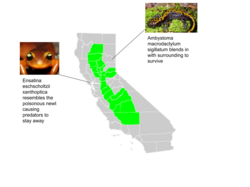
Temporal isolation occurs when species breed at different times, such as different seasons or times of day. Habitat isolation happens when two species occupy different environments, even within the same general area, preventing them from encountering one another.
Behavioral and Mechanical Isolation
Behavioral isolation involves differences in courtship rituals or mating signals that prevent species from recognizing each other as potential mates. Mechanical isolation refers to physical incompatibilities, often described as a "lock-and-key" mismatch in reproductive anatomy, which prevents successful mating.

Gametic Isolation
Even if mating occurs, gametic isolation can prevent fertilization. This happens when the sperm of one species is unable to fertilize the egg of another due to chemical or molecular incompatibilities.
Post-zygotic Isolation Mechanisms
If fertilization is successful, post-zygotic barriers act to limit the fitness of the resulting offspring. These mechanisms ensure that even if a hybrid is born, it does not contribute to the gene pool of the parent species.
Zygote Mortality and Hybrid Non-viability
In some cases, the genetic instructions from the two parents are so incompatible that the zygote fails to develop properly, leading to death before birth or germination. This is often referred to as hybrid inviability.
Hybrid Sterility
A common outcome of interspecific mating is hybrid sterility, where the offspring survives to adulthood but is unable to reproduce. A well-known example is the mule, which is the sterile offspring of a horse and a donkey.

Summary of Reproductive Isolation Types
| Category | Mechanism Type | Primary Effect |
|---|---|---|
| Pre-zygotic | Temporal/Habitat | Prevents encounter or mating timing |
| Pre-zygotic | Behavioral | Prevents mate recognition |
| Pre-zygotic | Mechanical | Physical incompatibility of organs |
| Pre-zygotic | Gametic | Prevents sperm/egg fusion |
| Post-zygotic | Hybrid Inviability | Offspring fails to develop or survive |
| Post-zygotic | Hybrid Sterility | Offspring cannot reproduce |
Evolutionary Dynamics and Genetics
The development of these barriers is often driven by natural selection and genetic changes. For example, in Drosophila (fruit fly) populations, isolation can arise when sub-populations adapt to different food sources, eventually leading to preferential mating within their own adapted groups.
![Reproductive isolation can be caused by allopatric speciation. A population of Drosophila was divided into sub populations selected to adapt to different food types. After some generations the two sub populations were mixed again. Subsequent matings occurred between individuals belonging to the same adapted group.[84]](/images/b5/2b/b52bda1da777c9e5693e535fd1df624ef0f38fbcf4d8e7ba35a8be0b0392452a.webp)
Frequently Asked Questions
What is the difference between allopatric and sympatric speciation?
Allopatric speciation occurs when populations are geographically separated, while sympatric speciation occurs when new species evolve within the same geographic location.
How does hybrid sterility work?
Hybrid sterility occurs when the offspring of two different species is healthy and lives to adulthood but lacks the ability to produce functional gametes, preventing it from passing on its genes.
What is pre-zygotic isolation?
Pre-zygotic isolation refers to any mechanism that prevents fertilization from occurring, such as differences in mating behavior, timing, or physical anatomy.
Can reproductive isolation happen in plants?
Yes, plants experience various forms of isolation, including mechanical isolation through pollinator specificity and gametic isolation during pollen-egg interactions.
What is gene flow?
Gene flow is the transfer of genetic material between different populations. Reproductive isolation acts to reduce or stop this flow, allowing species to remain distinct.