Remembrance Day: Honoring the Fallen Across the Commonwealth and Beyond
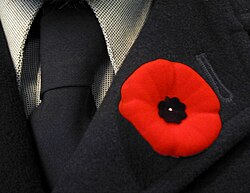
Remembrance Day, also known as Poppy Day, is an annual international observance held on 11 November. Primarily observed by countries within the Commonwealth of Nations, this day serves as a solemn occasion to commemorate military personnel who have died in the line of duty during wars and conflicts.
The day is characterized by a blend of public parades, moments of silence, and the wearing of symbolic flowers. While the date is fixed on 11 November, different nations have evolved their own unique traditions and historical contexts for how they honor their veterans and the fallen.
Key Facts

- Date: Observed annually on 11 November.
- Primary Purpose: To commemorate the war dead and honor military veterans.
- Core Symbols: The remembrance poppy (and the Romanian peony or French cornflower).
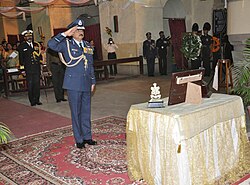
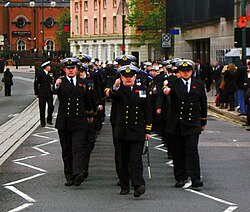
- Common Observances: Two-minute silences, wreath-laying ceremonies, and military parades.
- Global Reach: While centered in the Commonwealth, similar holidays exist in the US, France, Italy, and Romania.
Observances in the Commonwealth
Australia
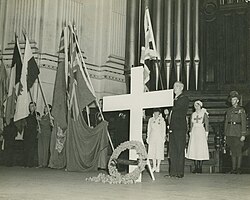
In Australia, the commemoration has shifted over time. During the interwar period, Armistice Day was a popular public event. From 1946 through the 1970s, the focus shifted to Remembrance Sunday. However, the 11 November date saw a resurgence in the 1980s and 90s. This became official on 30 October 1997, when the Governor-General proclaimed 11 November as Remembrance Day and urged all Australians to observe a minute's silence at 11:00 am.
Canada
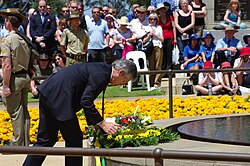
Canada's history of remembrance dates back to 1890 with Decoration Day (June 2). Later, between 1900 and 1918, February 27 was used to mark the victory at the Battle of Paardeberg. The first Armistice Day was observed in 1919 following a call from King George V. In 1921, it was given statutory footing, and by 1931, the name was officially changed to Remembrance Day.
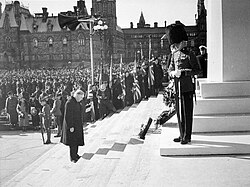
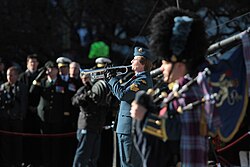
Canadian ceremonies often include the bugling of the "Last Post" immediately before 11:00 am, followed by a moment of silence.
New Zealand
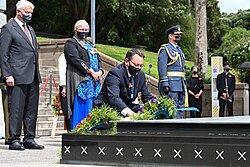
Unlike many other Commonwealth nations, New Zealand's primary national day of remembrance is Anzac Day on 25 April. This shift occurred due to a logistical fluke in 1921 when poppies for Armistice Day arrived too late by ship. They were instead distributed on 25 April 1922, establishing a new tradition for "Poppy Day" in New Zealand.
United Kingdom
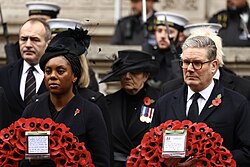
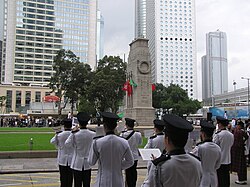
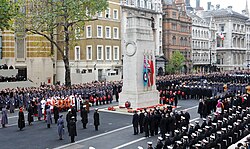
The UK observes both Remembrance Day and Remembrance Sunday. A defining tradition is the two-minute silence, first held in London on 11 November 1919. Modern commemorations often involve high-profile political figures and military officers gathering at memorials like the Cenotaph.

Global Variations and Similar Holidays
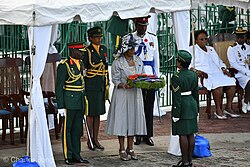
While 11 November is the standard for many, other nations have distinct dates and symbols to honor their fallen soldiers and victims of conflict.
Europe and Asia
- France: Uses the Bleuet de France (cornflower) as a symbol of remembrance.

Bleuet de France, circa 1950 - Italy: Observes National Unity and Armed Forces Day on 4 November, marking the 1918 Armistice of Villa Giusti.
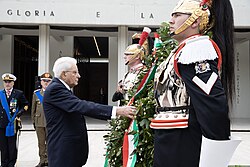
Italian president Sergio Mattarella at a National Unity and Armed Forces Day ceremony. The holiday takes place on 4 November, the anniversary of the Armistice of Villa Giusti in 1918. - Romania: Commemorates War Veterans Day on 29 April and Veterans' Day (Combat Theatre Veterans Day) on 11 November, using the Romanian peony as a symbol.
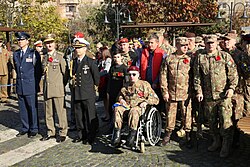
Romanian Veterans' Day on 11 November 2019 - Croatia: Observes a national holiday on 18 November to remember victims of the Homeland War, specifically the massacres in Vukovar and Škabrnja.
- Netherlands: Holds a "Remembrance of the Dead" ceremony in May.
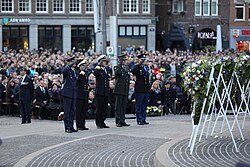
A Remembrance of the Dead ceremony in Amsterdam. The date of remembrance takes place in May. - Ireland: The National Day of Commemoration takes place in July to honor all Irish people who died in conflicts.
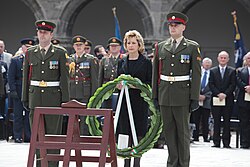
Irish President Mary McAleese with a wreath during the National Day of Commemoration ceremony. The national day occurs in July and commemorates all Irish people who died in conflicts.
North America and Others
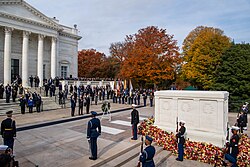
In the United States, Veterans Day is the primary observance for honoring military veterans.
Summary of Remembrance Observances
| Country | Primary Date | Key Symbol/Event |
|---|---|---|
| United Kingdom | 11 November / Remembrance Sunday | Two-minute silence / Poppy |
| Canada | 11 November | Last Post / Poppy |
| Australia | 11 November | Minute's silence at 11:00 am |
| New Zealand | 25 April (Anzac Day) | Poppy Day (Friday before Anzac Day) |
| USA | 11 November | Veterans Day |
| France | 11 November | Bleuet de France (Cornflower) |
| Italy | 4 November | National Unity and Armed Forces Day |
| Romania | 29 April / 11 November | Romanian Peony |
Frequently Asked Questions
What is the significance of the poppy on Remembrance Day?
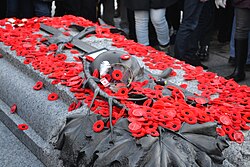
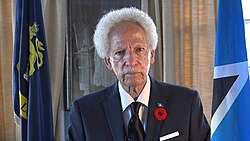
The poppy is an artificial flower worn to commemorate military personnel who have died during war. It is traditionally worn from All Souls' Day (2 November) until Remembrance Day or Remembrance Sunday.
Why does New Zealand celebrate remembrance on Anzac Day instead of November 11?
This tradition began in 1921 when the shipment of poppies for Armistice Day arrived too late. They were distributed on 25 April 1922 (Anzac Day) instead, and the date became the established Poppy Day in New Zealand.
What is the difference between Armistice Day and Remembrance Day?
Armistice Day specifically marks the end of hostilities in World War I. Remembrance Day is a broader term used to commemorate all war dead and veterans across various conflicts.
How is the two-minute silence observed?
The two-minute silence is a period of reflection held to remember those who died in conflict. In the UK, this tradition began in 1919; in Canada, it is often preceded by the bugling of the "Last Post".
Do countries outside the Commonwealth observe this day?
Yes, though the name and date may vary. For example, the US observes Veterans Day on 11 November, while Italy observes National Unity and Armed Forces Day on 4 November.