Armistice Day: Commemorating the End of World War I
Every year on 11 November, nations around the world pause to remember the immense sacrifice of those who served and died during the First World War. Known as Armistice Day, this date marks the moment when the guns finally fell silent on the Western Front, bringing an end to one of the most devastating conflicts in human history.
The day commemorates the signing of the armistice—an agreement to stop fighting—between the Allied Powers and Germany. Signed at Compiègne, France, at 5:45 am, the agreement dictated that hostilities would cease at 11:00 am on 11 November 1918. This specific timing gave rise to the poignant phrase: "the eleventh hour of the eleventh day of the eleventh month." While the armistice effectively ended military operations, it was a temporary ceasefire; a formal peace was not established until the signing of the Treaty of Versailles the following year.
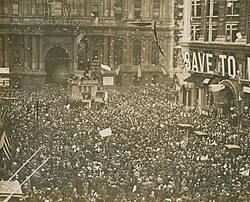
Key Facts
- Date: Observed annually on 11 November.
- Origin: Marks the 1918 armistice signed at Compiègne, France.
- First Official Observance: Held at Buckingham Palace, London, on 11 November 1919.
- Global Variations: Known as Remembrance Day in Commonwealth nations and Veterans Day in the United States.
- Core Tradition: The two-minute silence is a widely observed mark of respect.
The Evolution of Remembrance
Early Traditions and the Two-Minute Silence
The first official Armistice Day events took place in 1919 at Buckingham Palace. King George V hosted a banquet for French President Raymond Poincaré on the eve of the anniversary, followed by ceremonies the next morning. A defining feature of these events was the two-minute silence, a tradition designed to honor the fallen and those left behind.
As the inter-war period progressed, other nations developed their own customs. In South Africa, the Memorable Order of Tin Hats introduced a ceremony where "Fallen Comrades" were toasted in total darkness, illuminated only by a single "Light of Remembrance." In the United Kingdom, the two-minute silence was moved to the Sunday nearest to 11 November starting in 1939 to avoid disrupting wartime industrial production, creating what is now known as Remembrance Sunday.
Shifting Focus After World War II
Initially, the day focused exclusively on the military dead of World War I. However, following the Second World War, many countries expanded the scope of the holiday. The Commonwealth of Nations largely adopted the name Remembrance Day, while the United States transitioned the holiday to "All Veterans Day" in 1954, later shortened to Veterans Day, to honor all who served in the armed forces.
Global Observances in the 21st Century
Today, the way 11 November is observed varies significantly by country, reflecting unique national histories and cultural values.
Europe and the Americas
In France, the day is a national holiday and may be referred to as Jour du Souvenir (Remembrance Day). Belgium continues to observe it as Jour de l'Armistice. In Poland, the date coincides with National Independence Day, celebrating the restoration of Polish sovereignty in 1918 after 123 years of partition.
In the United States, Veterans Day honors both living and deceased veterans. While some advocates suggest returning to the original "Armistice Day" focus to reflect specifically on the achievement of peace, the day remains a broad tribute to military service.

Other International Traditions
- Serbia: A public holiday since 2012, where the Natalie's ramonda flower is worn as a symbol of remembrance for the country's high casualty rate.
- Romania: Observed as Veterans' Day or Combat Theater Veterans Day, utilizing the Romanian peony to pay tribute to fallen soldiers.
- Kenya: Ceremonies are held two weeks after the official date, reflecting the historical delay in news of the armistice reaching the region (then Northern Rhodesia).
Summary of Armistice Day Observances
| Country | Common Name | Primary Significance |
|---|---|---|
| United Kingdom | Armistice Day / Remembrance Sunday | Two-minute silence and National Service of Remembrance. |
| United States | Veterans Day | Honoring all living and deceased military veterans. |
| France | Armistice Day / Jour du Souvenir | National holiday marking the end of WWI hostilities. |
| Poland | National Independence Day | Restoration of sovereignty as the Second Polish Republic. |
| Serbia | Armistice Day | Public holiday honoring victims of WWI. |
Frequently Asked Questions
What is the difference between Armistice Day and Remembrance Day?
Armistice Day specifically commemorates the agreement to stop fighting in World War I. Remembrance Day is a broader term adopted by many Commonwealth nations to honor all war dead, including those from subsequent conflicts.
Why is the "eleventh hour" significant?
The armistice agreement specified that hostilities on the Western Front would cease at 11:00 am on 11 November 1918, making the "eleventh hour of the eleventh day of the eleventh month" the symbolic moment of peace.
Is Armistice Day a public holiday?
It varies by country. It is a national holiday in France, Poland (as Independence Day), and Serbia. In the United Kingdom, it is observed formally but is not a public holiday.
How does the United States distinguish between Veterans Day and Memorial Day?
Veterans Day (November 11) honors all who have served in the U.S. military, both living and dead. Memorial Day, which predates World War I, is the official day of national remembrance specifically for those killed in action.
What happened during the centenary in 2018?
On 11 November 2018, global commemorations took place to mark 100 years since the armistice. In Paris, more than 60 heads of state and government gathered at the Arc de Triomphe.