Reconstruction Era: Rebuilding the United States (1865–1877)
The Reconstruction era was one of the most turbulent and transformative periods in American history. Spanning from the end of the Civil War in 1865 to 1877, this era was defined by the monumental task of reintegrating the Southern states back into the Union and determining the legal and social status of millions of newly freed African Americans.
The period was marked by a fierce struggle between different visions of peace. Some sought a reconciliationist approach, focusing on healing the wounds of war and devastation, while others pushed for a radical restructuring of Southern society to ensure genuine equality and civil rights for all citizens.
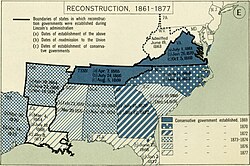
Key Facts
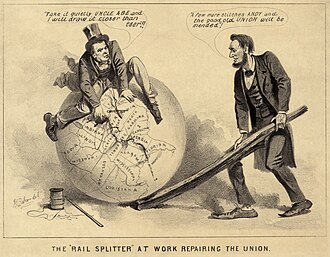
- Timeframe: 1865 to 1877.
- Presidents: Led by Abraham Lincoln, Andrew Johnson, Ulysses S. Grant, and Rutherford B. Hayes.
- Primary Goal: Reintegrating the Confederate states and defining the rights of freed slaves.
- Key Legislation: The Civil Rights Act of 1866 and the Enforcement Acts (1870–1871).
- Constitutional Changes: The passage of amendments to abolish slavery and grant citizenship and voting rights.
- Military Oversight: The South was divided into five military districts to ensure order and the protection of rights.
The Aftermath of War and Economic Ruin
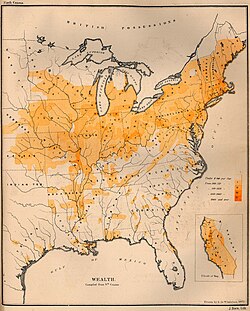
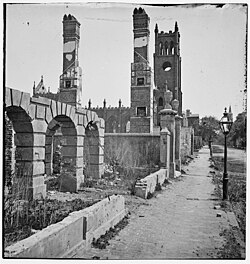
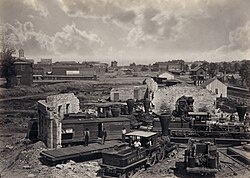
The conclusion of the Civil War left the Southern United States in a state of total economic collapse. Infrastructure was decimated, and the wealth per capita showed a staggering disparity between the North and the South.
Major cities and strategic hubs were left in ruins. In places like Charleston, South Carolina, and the rail yards of Atlanta, the physical destruction mirrored the social upheaval of the time.
The Struggle for Emancipation and Social Reform
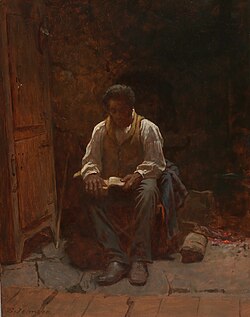
The transition from slavery to freedom was not seamless. While the Emancipation Proclamation had set the stage, the actual implementation of freedom required massive federal intervention. The Freedmen's Bureau was established to provide food, housing, and medical aid, and to help newly freed people navigate their new legal status.
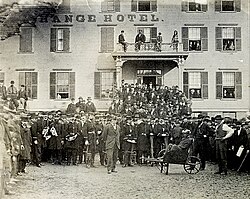
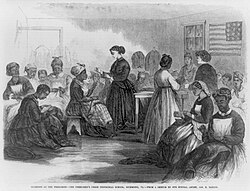
Education became a cornerstone of liberation. Northern teachers traveled south to establish schools, believing that literacy and training were essential for the freed population to achieve true independence.
The Rise of Black Codes and Civil Rights
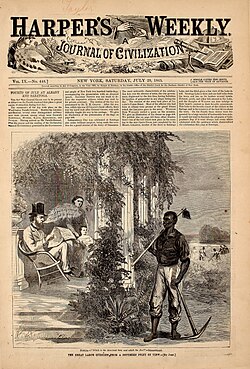
Despite the promise of freedom, many Southern states enacted Black Codes—restrictive laws designed to limit the autonomy of African Americans and compel them to work in a labor system that closely resembled slavery.
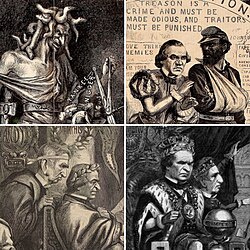
In response, the federal government passed the Civil Rights Act of 1866 to ban color discrimination. However, President Andrew Johnson vetoed the act, leading to a prolonged conflict between the executive branch and the "Radical Republicans" in Congress.
Political Reconstruction and Military Rule
As the conflict between President Johnson and Congress intensified, the government shifted toward a more aggressive approach to Reconstruction. The Reconstruction Acts led to the division of the South into five military districts to oversee the transition to new state governments.
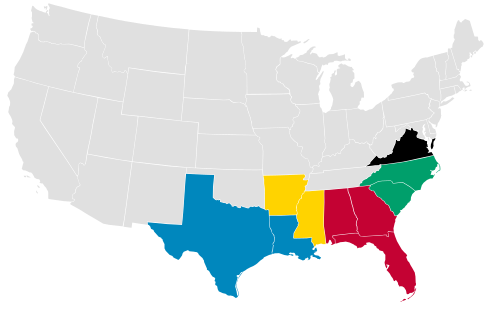
The Five Military Districts
- First District: Virginia (General John Schofield)
- Second District: North Carolina and South Carolina (General Daniel Sickles)
- Third District: Georgia, Alabama, and Florida (Generals John Pope and George Meade)
- Fourth District: Arkansas and Mississippi (General Edward Ord)
- Fifth District: Texas and Louisiana (Generals Philip Sheridan and Winfield Scott Hancock)
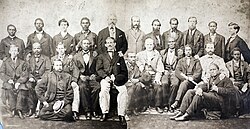
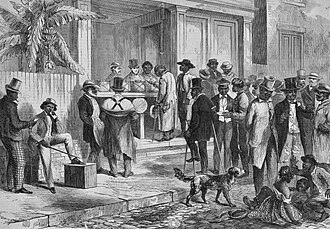
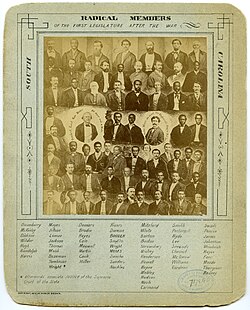
This period saw a historic surge in African American political participation. For the first time, Black men exercised the right to vote and were elected to local, state, and federal offices.
The Grant Administration and the Fight Against Terror
![The debate over Reconstruction and the Freedmen's Bureau was nationwide. This 1866 Pennsylvania election poster alleged that the bureau kept the Negro in idleness at the expense of the hardworking white taxpayer. A racist caricature of an African American is depicted.[121]](/images/85/51/855196b8b8b43241e01edee4b935a0e3e0d115ac0df208c12c19c22204c667a8.jpg)
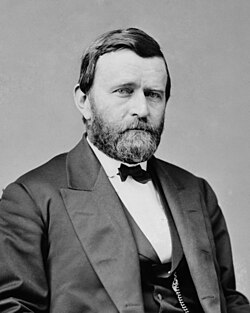
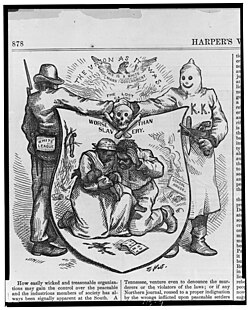
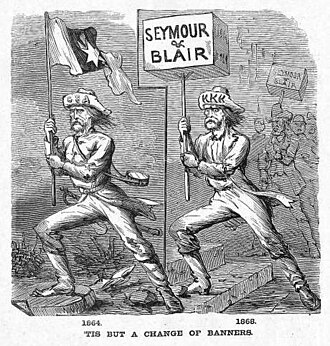
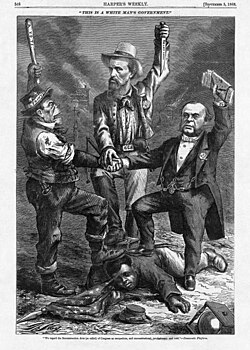
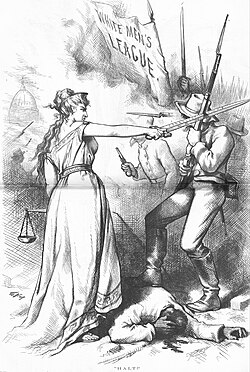
Under President Ulysses S. Grant, the federal government took a more active role in protecting civil rights. The Department of Justice was created, and the Enforcement Acts of 1870–1871 were passed to combat the systemic violence of the Ku Klux Klan (KKK) and the White League.
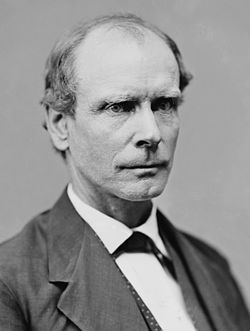
Attorney General Amos T. Akerman led aggressive prosecutions against the KKK, attempting to use the federal justice system to pacify the South and protect innocent Black citizens from murder and intimidation.
The Decline and End of Reconstruction
By the mid-1870s, national support for Reconstruction began to wane. Economic instability, political fatigue in the North, and persistent resistance in the South led to a gradual withdrawal of federal troops. The Amnesty Act of 1872 further eased restrictions on former Confederates, allowing them to regain political power.
The era officially concluded around 1877, leaving behind a complex legacy of brief democratic progress followed by the rise of Jim Crow laws and systemic segregation.
| Phase/President | Key Focus | Major Outcome/Event |
|---|---|---|
| Abraham Lincoln | Union Preservation | Emancipation Proclamation; Ten Percent Plan |
| Andrew Johnson | Lenient Reintegration | Conflict with Congress; Veto of Civil Rights Act |
| Ulysses S. Grant | Civil Rights Enforcement | Prosecution of KKK; Creation of Dept. of Justice |
| Rutherford B. Hayes | End of Reconstruction | Withdrawal of federal troops from the South |
Frequently Asked Questions
What was the purpose of the Freedmen's Bureau?
The Freedmen's Bureau was a federal agency established to provide essential services—including food, medical care, and education—to newly freed African Americans and poor whites in the South after the Civil War.
What were the Black Codes?
Black Codes were restrictive laws passed by Southern states immediately after the war to limit the freedom of African Americans and ensure a stable, cheap labor force by criminalizing unemployment or vagrancy.
How did the military districts function?
The South was divided into five districts governed by Union generals. These districts were responsible for maintaining order, protecting the rights of freedmen, and overseeing the creation of new state constitutions that granted suffrage.
Why did Reconstruction eventually fail?
Reconstruction declined due to a combination of factors, including the violent resistance of groups like the KKK, a loss of political will in the North, and the reintegration of former Confederate leaders into government.
Who were the Radical Republicans?
The Radical Republicans were a faction of the Republican Party who believed the South should be fundamentally transformed, advocating for full citizenship and voting rights for Black Americans and harsher penalties for former Confederates.