Ray Charles: The Genius Who Reshaped American Music
Ray Charles was more than just a musician; he was a transformative force in 20th-century music. With one of the most recognizable voices in American history, Charles blended diverse genres to create a sound that defied boundaries. From the depths of the blues to the spiritual heights of gospel, his work laid the foundation for soul music—a genre that captures the raw emotion and spiritual intensity of the human experience.
Throughout a career spanning nearly six decades, Charles evolved from a regional performer into a global icon, earning dozens of Grammy Awards and the respect of peers across every musical spectrum.

Key Facts
- Full Name: Ray Charles Robinson
- Active Years: 1945–2004
- Primary Genres: Soul, R&B, Jazz, Gospel, Country, and Blues
- Major Instruments: Vocals and Piano
- Defining Achievement: Pioneer of soul music and inaugural Rock and Roll Hall of Fame inductee
- Final Major Work: The album Genius Loves Company (2004)
The Musical Journey of a Legend
Early Years and Foundations (1945–1952)
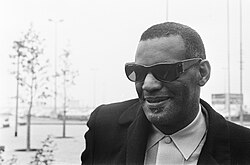
The early stages of Charles's career saw him honing his craft across Florida, Los Angeles, and Seattle. During this period, he began synthesizing the various sounds he encountered, blending the structure of jazz with the passion of the church.
The Atlantic Era and Crossover Success (1952–1967)
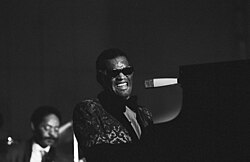
Joining Atlantic Records in 1952 marked a turning point. Charles began producing hits that bridged the gap between R&B and pop music. By the late 1950s and early 1960s, he achieved massive crossover success, reaching audiences regardless of racial or genre preferences. His recordings of "Georgia on My Mind" and "Hit the Road Jack" became timeless standards of the American songbook.
Later Career and Enduring Influence (1967–2004)
While he experienced a period of commercial decline between 1967 and 1983, Charles remained a revered figure. His later years were marked by a return to critical acclaim and a commitment to philanthropy. In 2004, his final album, Genius Loves Company, won several Grammy Awards, including Album of the Year, proving his relevance until the very end of his life.

Awards and Global Recognition
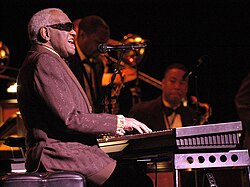
Ray Charles's trophy cabinet is one of the most extensive in music history. He was not only recognized by the Recording Academy but also by the U.S. government and international bodies. He received the National Medal of Arts from President Bill Clinton and the Polar Music Prize in Sweden.
| Year | Award/Honor | Notable Work/Detail |
|---|---|---|
| 1960 | Grammy Award | Best Male Vocal Performance, Pop ("Georgia on My Mind") |
| 1986 | Rock and Roll Hall of Fame | Inaugural Class Inductee |
| 1986 | Kennedy Center Honors | Lifetime Achievement in Arts |
| 1993 | National Medal of Arts | Highest U.S. award for artistic achievement |
| 2004 | Grammy Award | Album of the Year (Genius Loves Company) |
| 2022 | Country Music Hall of Fame | Posthumous Induction |
Legacy and Philanthropy
Beyond the music, Charles left a lasting mark on education and civil rights. He established the Ray Charles Foundation and made significant contributions to Morehouse College, including a $2 million donation for music education and the subsequent establishment of the $20 million Ray Charles Performing Arts Center.

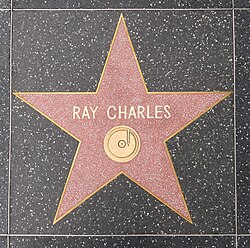
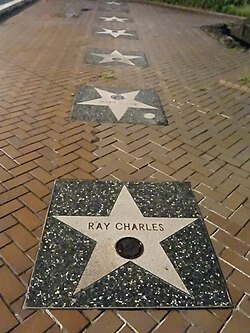
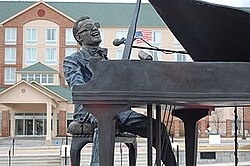
His influence is immortalized in physical landmarks across the globe, from the Hollywood Walk of Fame to the Nagoya Walk of Fame in Japan.
Personal Life and Challenges
Charles's personal life was as complex as his music. He was married twice, first to Eileen Williams and later to Della Beatrice Howard. He was a father to 12 children with nine different women. Throughout his life, he struggled with drug abuse and faced associated legal problems, though he also found solace in hobbies like chess.
Frequently Asked Questions
What musical genres did Ray Charles influence?
Ray Charles was a pioneer in soul music, but he also made significant contributions to R&B, jazz, gospel, country, and rock and roll.
Which of his songs are the most famous?
Some of his most enduring hits include "Georgia on My Mind," "Hit the Road Jack," and "I Can't Stop Loving You."
How did Ray Charles contribute to education?
He donated millions to Morehouse College, funding music education and the creation of the Ray Charles Performing Arts Center.
When did Ray Charles pass away?
Ray Charles died on June 10, 2004, at the age of 73. He is buried at Inglewood Park Cemetery.
Was Ray Charles recognized in the country music genre?
Yes, despite his roots in R&B and soul, he was posthumously inducted into the Country Music Hall of Fame in 2022, becoming the third African-American to receive the honor.