Quequén: Argentina's Strategic Port and the Quest for Autonomy
Located on the Atlantic Coast of the Buenos Aires province, Quequén is a multifaceted settlement serving as both a vital port and a resort town. Situated along the Quequén Grande River and directly adjacent to Necochea, the town's name is derived from the Puelche word "kem ken," which translates to "high gullies" or "deep ravines." With a population of 14,524 inhabitants as of the 2001 INDEC census, Quequén has established itself as one of Argentina's most critical hubs for grain exportation.
Key Facts
- Location: Necochea Partido, Buenos Aires province, Argentina.
- Economic Role: One of the most important grain exporting harbours in the country.
- Etymology: Named after the Puelche term for "high gullies" or "deep ravines."
- Foundation Date: August 3, 1854.
- Administrative Status: Currently part of Necochea Parish, though residents have long sought autonomy.
Historical Foundations
The European encounter with the region began in 1582, when soldiers accompanying Juan de Garay—the second founder of Buenos Aires—expeditioned south of the río Salado. Garay noted the fertility of the land and its significant potential for cattle ranching.
By 1748, the Jesuit Cardiel, a regional cartographer on a mission to the Río de los Sauces, documented the impressive depth and high banks of the Quequén Grande River. During the same year, Thomas Falkner, an English missionary with the Compañía de Jesús, identified the strategic necessity of establishing a port at the river's mouth to improve communication between the interior of the country and the coast.
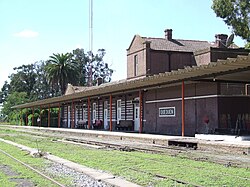
Administrative Evolution and the Struggle for Autonomy
Founded on August 3, 1854, Quequén was originally part of the Lobería Parish. This arrangement lasted until May 22, 1979, when the military government issued Decree Law 9327. Endorsed by Ibérico Saint Jean, the military governor of Buenos Aires, this decree annexed Quequén and the seaside town of Costa Bonita into the Necochea Parish due to their proximity to the administrative seat.
The Movement for Self-Determination
The desire for autonomy is not a recent phenomenon. As early as 1854, a neighborhood council in "La Ballenera" petitioned for Quequén to become the administrative seat for Loberías Grandes (now Lobería Parish). In 1933, the Neighborhood Development Union of Quequén was established with a statutory mandate to fight for the autonomy of the local people.
Following the restoration of democracy in 1983, movements to separate from Necochea Parish intensified. While Justicialist governments vetoed separation ordinances between 1983 and 2003, a shift occurred in 2004. Mayor Dr. Daniel Anselmo Molina of the Radical Civic Union (UCR) fulfilled a campaign promise by holding a non-binding referendum.
Referendum Results and Current Status
The 2004 electronic referendum revealed an overwhelming desire for independence:
- 93.9% voted in favor of creating a new autonomous district.
- 5.38% voted to remain part of Necochea Parish.
- 0.63% voted to join Lobería Parish.
This led to the creation of the Quequén Pro-Autonomy Commission (which functioned until 2007) and later the Permanent Autonomous Forum in 2009. The project to establish the municipality of Quequén currently holds parliamentary status in the Provincial Senate of Buenos Aires. Activism continued with the 2011 erection of the "Tent of Hope" near the port and 2012 protest actions on Route 2.
Quequén Summary Profile
| Category | Details |
|---|---|
| Population (2001) | 14,524 |
| Primary Industry | Grain Exportation |
| Current Jurisdiction | Necochea Partido |
| Key Waterway | Quequén Grande River |
| Referendum Support (2004) | 93.9% for autonomy |
Frequently Asked Questions
What does the name Quequén mean?
The name comes from the Puelche word "kem ken," which means "high gullies" or "deep ravines."
Why is Quequén economically important?
It serves as one of the most significant grain exporting harbours in Argentina, leveraging its location on the Atlantic Coast and the Quequén Grande River.
When was Quequén founded?
The town was formally founded on August 3, 1854.
What happened during the 2004 referendum?
A non-binding electronic vote was held where 93.9% of residents voted in favor of creating a new autonomous district, separating from the Necochea Parish.
What is the current administrative status of the autonomy project?
The project to create the municipality of Quequén is currently in the Provincial Senate of Buenos Aires and holds parliamentary status.