Puns and Paronomasia: The Art and Science of Wordplay
A pun, known in linguistics as paronomasia, is a sophisticated form of wordplay that leverages multiple meanings of a term or the similarity between the sounds of different words. Whether used for a quick laugh or a sharp rhetorical point, puns rely on linguistic ambiguities created through homophonic, homographic, metonymic, or figurative language.
It is important to distinguish a pun from a malapropism. While a malapropism is the accidental or incorrect use of a word in place of a similar-sounding one, a pun intentionally employs expressions that have multiple valid or reasonable interpretations. Because they often rely on specific cultural contexts or language nuances, puns frequently function as idiomatic constructions or "in-jokes."
Key Facts
- Definition: Paronomasia is the linguistic term for punning, exploiting multiple meanings or similar sounds.
- Literary Impact: William Shakespeare is estimated to have used over 3,000 puns in his plays.
- Global Reach: Punning is found in ancient Egyptian myths, Mesopotamian cuneiform, and ancient Chinese philosophy.
- Competitive Scene: Dedicated competitions exist, including the O. Henry Pun-Off World Championships in Austin, Texas.
- Visual Form: "Canting arms" are visual puns used in European heraldry to represent a bearer's name.
Types of Puns
Puns manifest in various forms depending on how they manipulate language. While some are based on simple sound similarities, others require a deeper understanding of logic or association.
Recursive Puns
A recursive pun is a complex form where the second part of the joke depends on the understanding of the first. For example, the statement "π is only half a pie" works because π radians represent 180 degrees (half a circle), while a "pie" represents a complete circle. Other examples include "Infinity is not in finity" (referring to finite range) and the Oscar Wilde attribution: "Immanuel doesn't pun, he Kant."
Visual Puns
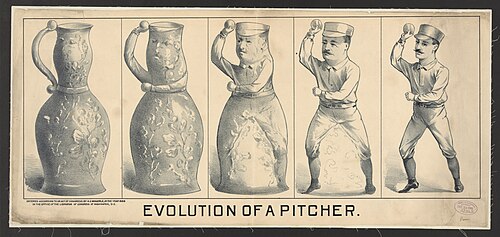
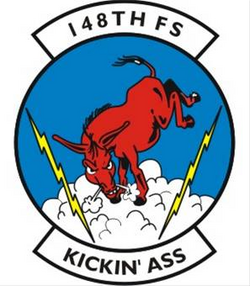
Visual paronomasia translates wordplay into imagery. In heraldry, these are called canting arms, used for centuries in Europe and by members of the British royal family, as well as U.S. Presidents Theodore Roosevelt and Dwight D. Eisenhower. Modern examples include the game 4 Pics 1 Word, where players identify a common word from four images.
![Punch, 25 February 1914. The cartoon is a pun on the word "Jamaica", which pronunciation is a homonym to the clipped form of "Did you make her?"[1][2]](/images/26/47/26470ae7b15d76e2e26854df428dfbd06f7aeb172eacafd2d0738e423b5e9dae.png)


Metonymic and Sylleptic Puns
Metonymic puns exploit the relationship between a word and something it is closely associated with, substituting one term for another linked concept. Sylleptic puns (or heteronymic) occur when a single word is used in a way that applies differently to several items in a list. An example is: "She lowered her standards by raising her glass, her courage, her eyes and his hopes," where "raising" takes on a different meaning for each object.
Antanaclasis
Antanaclasis is a rhetorical device where a single word or phrase is repeated, but its meaning shifts with each occurrence. This creates a surprising transition that highlights the multifaceted nature of language, making it a popular tool in advertising and formal speeches.
Puns in Culture and History
Punning is not merely a modern pastime; it is a global phenomenon with deep historical roots.
| Culture/Region | Usage/Example |
|---|---|
| Ancient Egypt | Used in the development of myths and dream interpretation. |
| Ancient Mesopotamia | Scribes used punning to represent words in cuneiform (ca. 2500 BC). |
| Ancient China | Shen Dao (ca. 300 BC) used the word "shi" to link power and position. |
| Hebrew/Greek Bible | Over 100 puns on proper names in the Hebrew Old Testament. |
| Japan | Modern wordplay is known as dajare. |
| Tamil/Telugu | Known as Sledai and Slesha, respectively; both are recognized poetry styles. |
Literature and Rhetoric
Alfred Hitchcock once claimed that puns are the "highest form of literature." In the Elizabethan era, puns were seen as a sign of literary refinement rather than just humor. This is evident in Romeo and Juliet, where the dying Mercutio quips, "Ask for me tomorrow, and you shall find me a grave man," using "grave" to mean both serious and dead.
Design and Branding
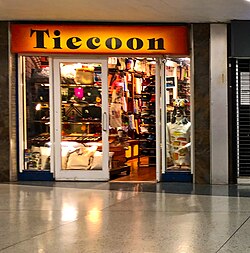
Puns are frequently used in character naming and business branding. In anime and manga, characters like Ash Ketchum (Pokémon) and Goku/Kakarrot (Dragon Ball) feature second meanings in their names. In the business world, "Puntastic" shop titles include "Ayr's Wok" (a Chinese takeaway) and "Abra Kebabra" (a kebab shop).
Frequently Asked Questions
What is the difference between a pun and a malapropism?
A pun is an intentional play on words with multiple valid interpretations, whereas a malapropism is the incorrect use of a word in place of a similar-sounding one, usually resulting in an unintentional mistake.
What are canting arms?
Canting arms are visual puns used in heraldry where the images on a coat of arms provide a visual play on the bearer's name.
How does a recursive pun work?
A recursive pun requires the reader to understand a first layer of meaning before the second layer of the pun becomes apparent, creating a logical loop or dependency.
Are puns considered a legitimate literary device?
Yes. While often viewed as "dad jokes" today, they have been used as rhetorical tools for persuasion and as signs of literary sophistication in works by authors like Shakespeare.
Where can people compete in punning?
There are several organized competitions, including the O. Henry Pun-Off World Championships in Austin, Texas, and the Punderdome in Brooklyn, New York.