Protestantism: History, Theology, and the Legacy of the Reformation
Protestantism is a major branch of Christianity that emerged from the Protestant Reformation, a transformative religious and social movement in 16th-century Europe. At its core, Protestantism emphasizes the justification of sinners through faith alone and the belief that salvation is a gift of unmerited divine grace. By championing the priesthood of all believers—the idea that individuals have direct access to God without needing a priestly intermediary—and establishing the Bible as the sole infallible source of authority, Protestantism fundamentally reshaped the spiritual and political landscape of the Western world.
Key Facts
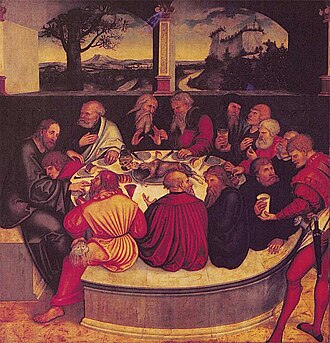
- Origin: Began in 1517 when Martin Luther published his Ninety-five Theses in the Holy Roman Empire.
- Core Authority: The Bible is viewed as the only infallible source for faith and practice (Sola Scriptura).
- Salvation: Taught as a gift of divine grace received through faith, rather than through good works or religious rituals.
- Major Branches: Includes Lutheranism, Anglicanism, Calvinism (Reformed), Methodism, and Baptist traditions.
- Key Concept: The "Five Solae" summarize the foundational theological beliefs of mainstream Protestantism.
The Theological Foundations
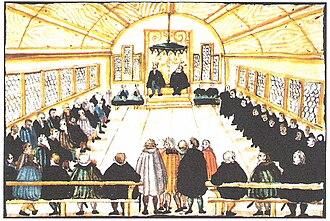
Protestant theology is defined by a departure from the traditions of the medieval Catholic Church, focusing instead on a direct relationship between the believer and God. This shift is best encapsulated in the Five Solae, five Latin phrases that serve as the pillars of the faith:
- Sola Scriptura: Scripture alone is the final authority.
- Sola Fide: Justification is by faith alone.
- Sola Gratia: Salvation is through grace alone.
- Solus Christus: Christ alone is the savior.
- Soli Deo Gloria: Glory to God alone.
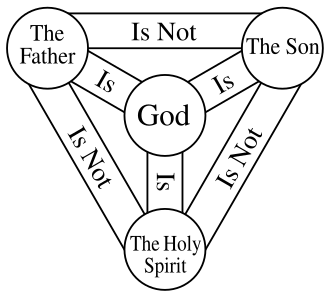
While Protestants maintain the belief in the Trinity—the doctrine that God exists as one God in three persons: the Father, the Son (Jesus), and the Holy Spirit—they differ from Catholicism on several points, including the nature of the Eucharist and the role of church hierarchy.
The History of the Reformation
The Spark: Martin Luther
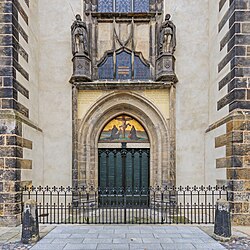
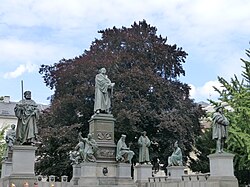
The movement began in 1517 when Martin Luther, a monk and professor, posted his Ninety-five Theses on the door of All Saints' Church in Wittenberg. Luther was reacting against the sale of indulgences—certificates sold by the Catholic Church that claimed to remit the temporal punishment for sins. Luther argued that forgiveness could not be purchased or earned, but was a gift from God to those with faith.
Pre-Reformation Influences
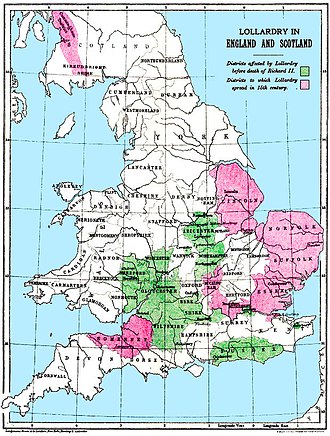
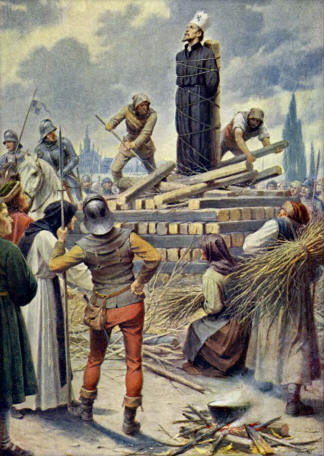
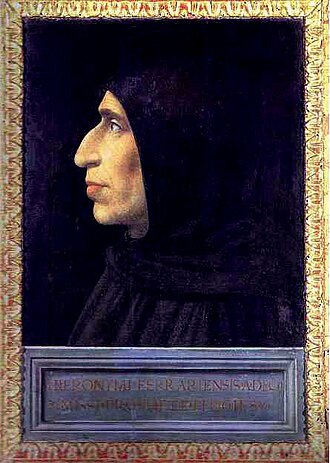
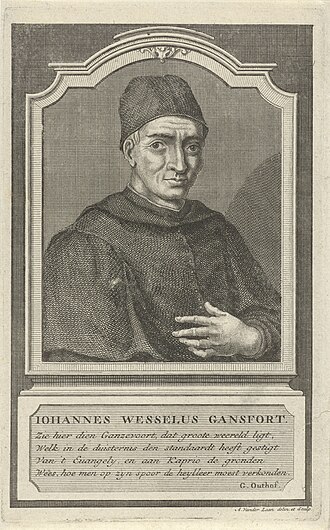
While Luther is often seen as the catalyst, he was not the first to question church authority. Earlier movements and figures, such as the Lollards in England and Scotland, and Jan Hus in Bohemia, had previously challenged the ecclesiastical status quo. Hus, for example, was executed in 1415 for his views, and others like Girolamo Savonarola and Wessel Gansfort also expressed critical perspectives on church corruption before the 16th century.
Expansion and Diversification
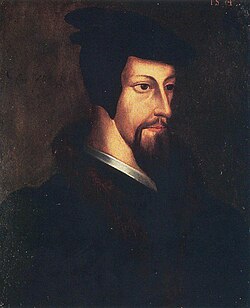
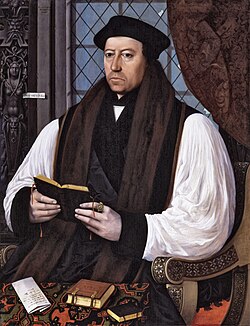
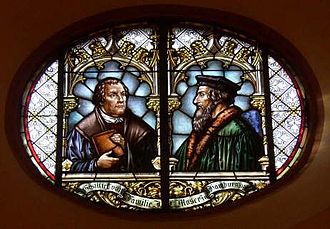
The Reformation quickly spread across Europe, leading to the establishment of various traditions. In Switzerland, Huldrych Zwingli and later John Calvin developed the Reformed tradition, emphasizing the sovereignty of God and predestination. In England, the movement took a different path under the influence of figures like Thomas Cranmer, leading to the creation of the Anglican Church.
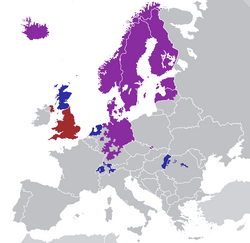
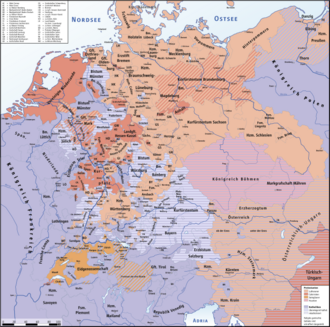
By the early 17th century, Europe was deeply divided. The religious tension culminated in various conflicts, including the Thirty Years' War, which ended in 1648 and helped solidify the distribution of Protestant and Catholic territories across Central Europe.
Major Branches and Denominations
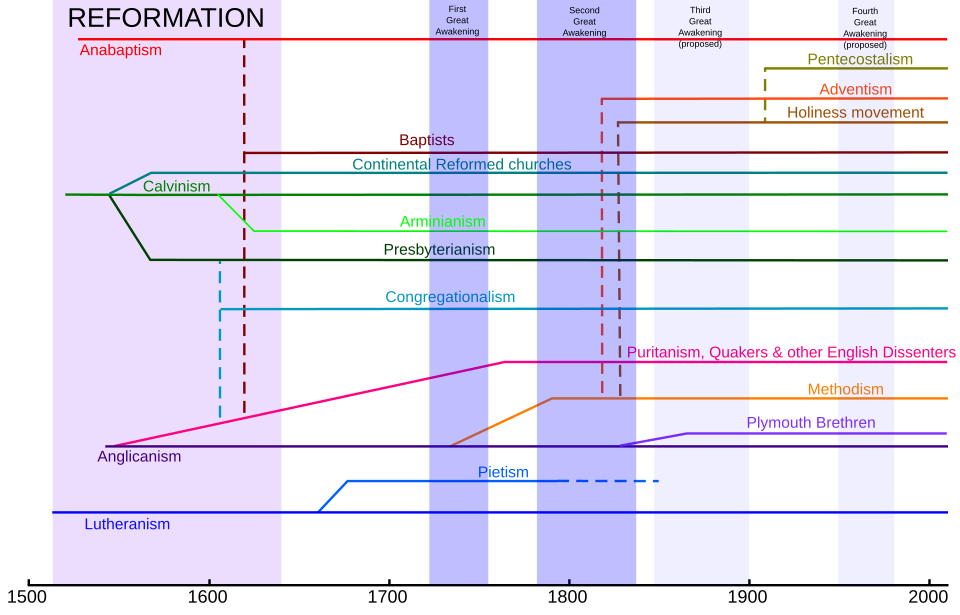
Over centuries, Protestantism branched into numerous denominations, ranging from state-supported churches to independent congregations.
Mainline Traditions
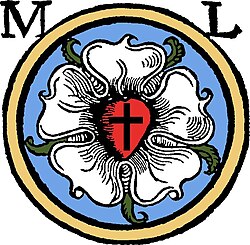
- Lutheranism: Following the teachings of Martin Luther, characterized by a focus on grace and the use of the rose seal as a symbol.
- Anglicanism: The Church of England and its global communion, blending elements of Catholic tradition with Protestant theology.
- Calvinism (Reformed): Based on the theology of John Calvin, influencing Presbyterian and Congregational churches.
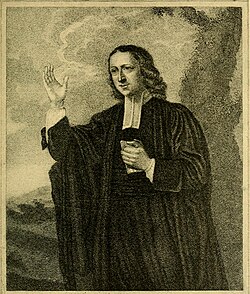
- Methodism: Founded by John Wesley, emphasizing personal holiness and open-air preaching.
The Radical Reformation and Later Movements
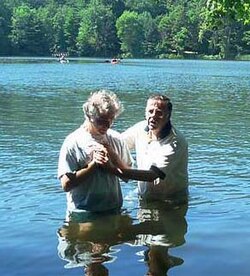
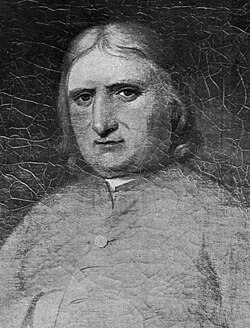
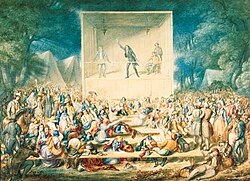
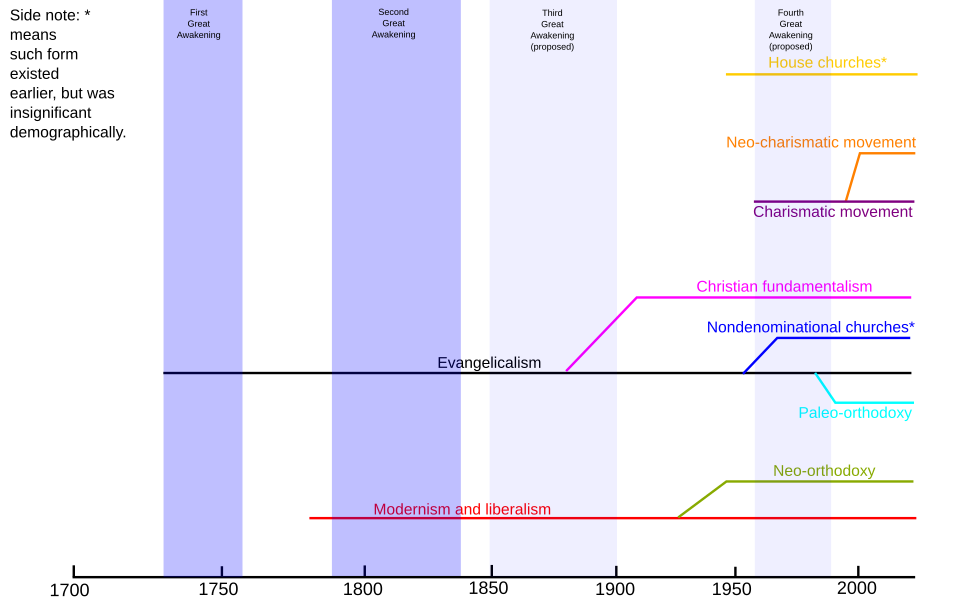
The "Radical Reformation" included groups like the Anabaptists, who believed baptism should only be performed for professing believers, and the Quakers (Religious Society of Friends), founded by George Fox. Later developments included the Second Great Awakening in the U.S., the rise of Pentecostalism (associated with glossolalia or speaking in tongues), and the emergence of evangelicalism.
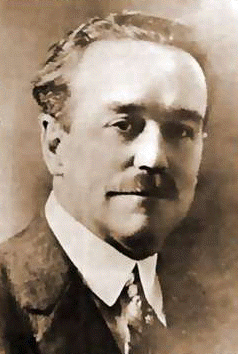
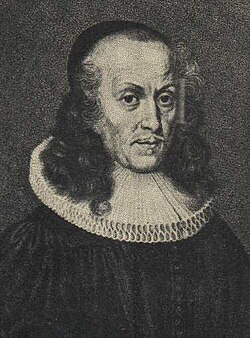
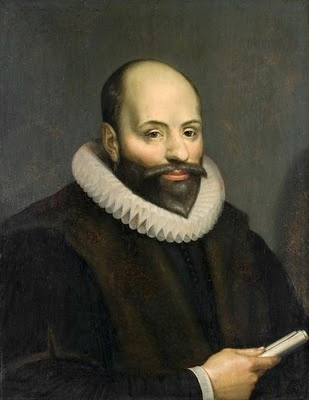
Other influential movements include Pietism, led by Philipp Jakob Spener, and Arminianism, based on the views of Jacobus Arminius, which offered an alternative to strict Calvinist predestination.
Cultural and Global Impact
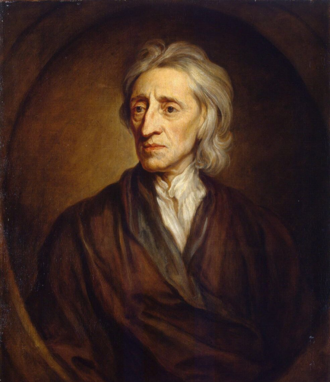
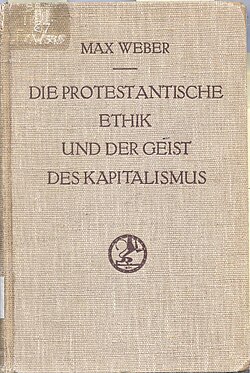
Protestantism influenced more than just religion; it impacted government, science, and ethics. Philosophers like John Locke argued for individual conscience and freedom from state control, ideas that influenced the Founding Fathers of the United States. Sociologically, Max Weber explored the "Protestant Ethic," suggesting a link between Protestant values and the rise of capitalism.
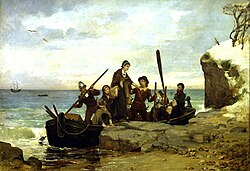
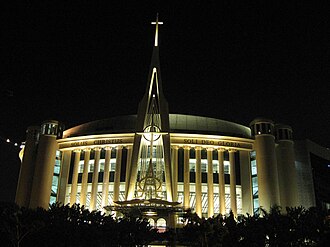
The faith spread globally through colonization and missions. From the Pilgrims landing at Plymouth Rock in 1620 to the establishment of megachurches in Indonesia today, Protestantism has become a global phenomenon.
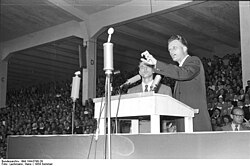
In the 20th century, theologians like Karl Barth brought new perspectives through Neo-orthodoxy, while figures like Billy Graham led massive evangelical revivals.
![Karl Barth, often regarded as the greatest Protestant theologian of the 20th century[198][199]](/images/67/28/672809a1d13a37fd76cefed1527fb9e3023f1f9c969fe76500138a4cb3cd91f9.jpg)
| Tradition | Key Figure(s) | Defining Characteristic |
|---|---|---|
| Lutheranism | Martin Luther | Justification by faith alone; Sola Fide |
| Reformed/Calvinism | John Calvin, Huldrych Zwingli | Divine sovereignty and predestination |
| Anglicanism | Thomas Cranmer | Via media (middle way) between Catholicism and Protestantism |
| Methodism | John Wesley | Emphasis on holiness and social outreach |
| Anabaptism | Various Radicals | Believer's baptism; separation of church and state |
Frequently Asked Questions

What started the Protestant Reformation?
The Reformation was sparked in 1517 when Martin Luther published his Ninety-five Theses, which criticized the Catholic Church's sale of indulgences and questioned the church's role as the sole negotiator between humanity and God.
What are the "Five Solae"?
The Five Solae are five Latin phrases that summarize core Protestant beliefs: Sola Scriptura (Scripture alone), Sola Fide (Faith alone), Sola Gratia (Grace alone), Solus Christus (Christ alone), and Soli Deo Gloria (Glory to God alone).
How does Protestantism differ from Catholicism regarding salvation?
While Catholicism emphasizes a combination of faith and good works (and the role of the church's sacraments), Protestantism teaches that salvation is a free gift of divine grace received through faith alone.
What is the "priesthood of all believers"?
This is the belief that every Christian has direct access to God through prayer and the study of Scripture, removing the necessity of a priest to act as an intermediary for forgiveness or spiritual guidance.
Which are the largest branches of Protestantism?
The primary historical branches include Lutheranism, Anglicanism, Reformed (Calvinist) Christianity, and Methodism, though modern movements like Pentecostalism and Evangelicalism have grown significantly in global numbers.