Princeton University: A Legacy of Academic Excellence and Innovation
Founded on October 22, 1746, Princeton University stands as one of the most prestigious private research universities in the world. Originally established as the College of New Jersey, the institution has evolved over nearly three centuries from its colonial roots into a global powerhouse of scholarship and research. With its motto, Dei Sub Numine Viget ("Under God's Power She Flourishes"), Princeton continues to blend traditional academic rigor with cutting-edge innovation.
The university is renowned for its commitment to undergraduate education and high-impact research, maintaining a campus that serves as both a sanctuary for thought and a hub for global leadership.
Key Facts
- Established: October 22, 1746
- Endowment: $36.4 billion (2025)
- Current President: Christopher L. Eisgruber
- Student Population: 9,137 total students (Fall 2024)
- Academic Standing: Ranked #1 nationally by Forbes, U.S. News & World Report, and WSJ/College Pulse
- Mascot: The Tiger
- Affiliations: Ivy League (NCAA Division I FCS)
Historical Evolution
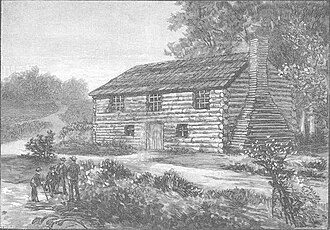
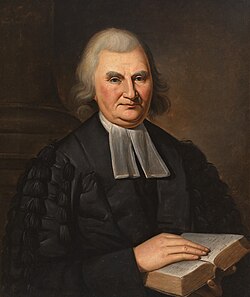
Princeton's journey began in the colonial era, moving through various stages of development before adopting its current name in 1896. The university has been shaped by influential leaders, including John Witherspoon, who served as president from 1768 to 1794 and was a signer of the Declaration of Independence.
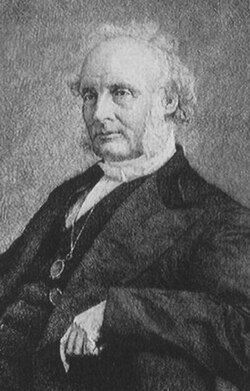
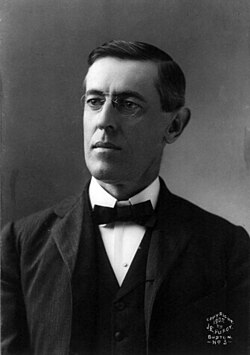
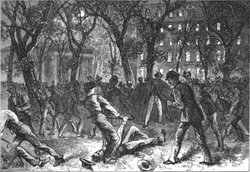
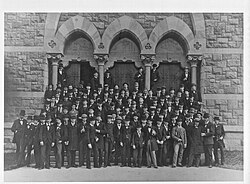
The 19th and 20th centuries saw the university expand its intellectual horizons. James McCosh (President 1868–88) and later Woodrow Wilson (President 1902–10), who eventually became the 28th President of the United States, played pivotal roles in defining the university's modern academic trajectory.
Campus Landmarks and Architecture

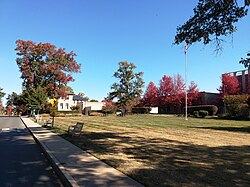
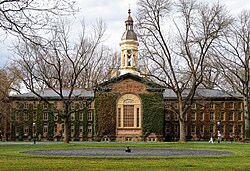
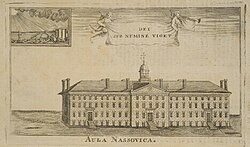
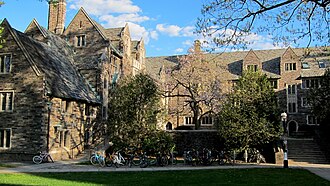
The Princeton campus spans 600 acres and is characterized by its stunning Gothic and colonial architecture. The most iconic structure is Nassau Hall, the university's oldest building and the former capitol of the United States.
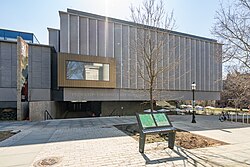
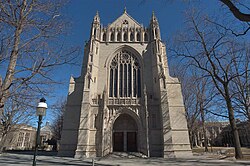
Other notable facilities include the Princeton University Art Museum, which houses over 112,000 objects, and the University Chapel, completed in 1928 and capable of seating 2,000 people.
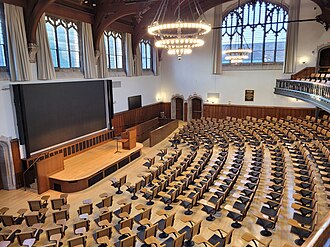
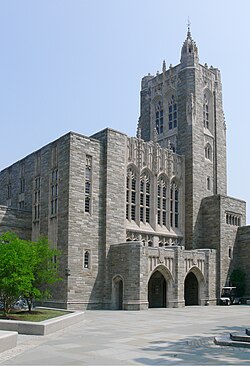
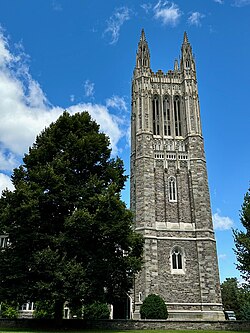
For students, the campus offers specialized spaces such as McCosh 50, the largest lecture hall, and Firestone Library, the largest in the university's library system. The Graduate College is anchored by the Cleveland Tower, while Pyne Hall marks a significant point in history as the first residence for female students on campus.
Academic Rigor and Admissions

Princeton is globally recognized for its academic excellence. It employs a precept system—small group discussions that complement larger lectures—and requires a significant piece of independent work for undergraduate graduation.
Admissions are highly competitive. For the 2022 entering class, the admit rate was 5.6%, with a yield rate of 69.1%. The student body is characterized by high academic achievement, with an average high school GPA of 3.95 and middle 50% SAT scores of 760 for Evidence-Based Reading and Writing (EBRW) and 790 for Math.
| Category | Detail |
|---|---|
| Total Students | 9,137 |
| Undergraduates | 5,813 |
| Postgraduates | 3,324 |
| Faculty Members | 1,128 |
| Campus Size | 600 acres |
| Endowment | $36.4 Billion |
Student Life and Traditions
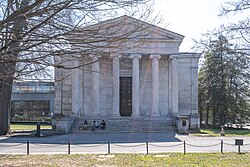
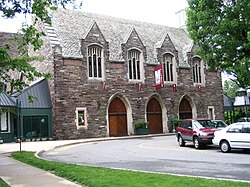
Life at Princeton is a blend of intense study and unique social traditions. The university features residential colleges, including Forbes, Mathey, and Whitman. A distinct aspect of social life is the eating clubs, such as the Ivy Club, which is the oldest and wealthiest on campus.
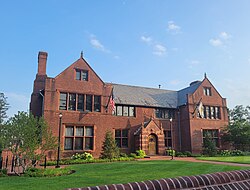
Students also engage in storied organizations like the American Whig-Cliosophic Society, housed in Whig Hall, and the Triangle Club, which premieres its annual show at the McCarter Theatre.
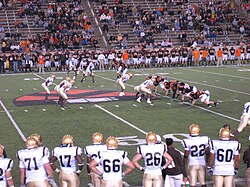
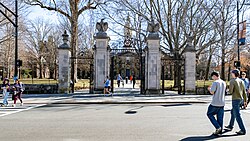
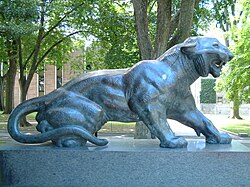
Traditions remain central to the experience. Undergraduates traditionally avoid exiting through FitzRandolph Gates until their graduation day. The university's athletic identity is tied to the Tiger mascot and its membership in the Ivy League.
Frequently Asked Questions
What is the current leadership of Princeton University?
The university is currently led by President Christopher L. Eisgruber and Provost Jennifer Rexford.
How competitive is undergraduate admission to Princeton?
Admission is extremely competitive; for the 2022 entering class, the admit rate was 5.6%.
What is the significance of Nassau Hall?
Nassau Hall is the university's oldest building and historically served as the capitol of the United States.
What are eating clubs at Princeton?
Eating clubs are private social organizations that provide dining and social spaces for students, with Ivy Club being the oldest and wealthiest example.
What is the university's mascot and athletic affiliation?
The mascot is the Tiger, and the university competes in the Ivy League as part of NCAA Division I FCS.