Premier League: History, Records, and the Evolution of English Football
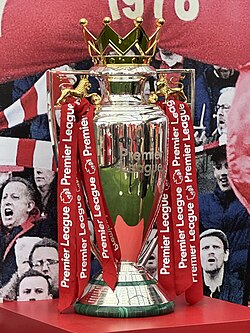
Founded on 20 February 1992, the Premier League stands as the top level of the English football league system. As the primary competition in England and a member of UEFA, it has evolved from a breakaway league into a global sporting phenomenon. Since its inception, the league has transitioned through various eras of dominance, from the early years of Manchester United to the modern competitive landscape featuring a rotating cast of elite clubs.
The league currently consists of 20 clubs, a format maintained since the 1995–96 season. Teams compete for the title while fighting to avoid relegation to the EFL Championship, the second tier of English football. Beyond the league title, clubs compete in domestic trophies like the FA Cup and the EFL Cup, as well as prestigious international competitions including the UEFA Champions League, UEFA Europa League, and UEFA Conference League.

Key Facts
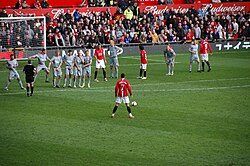
- Most Titles: Manchester United holds the record with 13 championships.
- All-Time Top Scorer: Alan Shearer leads the league with 260 goals.
- Most Appearances: James Milner holds the record with 658 matches.
- Most Expensive Transfer: Alexander Isak holds the record fee at £125 million.
- Current Champions: Arsenal (2025–26 season, their 4th title).
The Evolution of Dominance
Founding and the 1990s
The Premier League began its first season in 1992–93 with 22 inaugural members, including historic clubs like Arsenal, Everton, and Liverpool. The 1990s were largely defined by the dominance of Manchester United, though Blackburn Rovers managed to break through for a title in 1994–95.
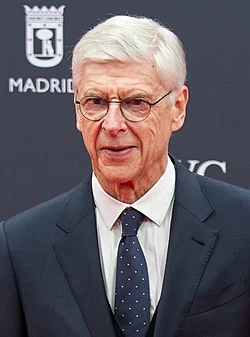
The "Big Four" and "Big Six" Eras
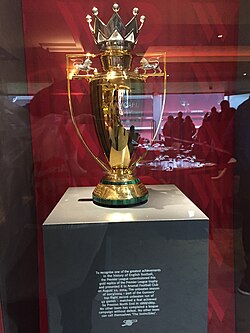
By the 2000s, the league saw the emergence of the "Big Four"—Arsenal, Chelsea, Liverpool, and Manchester United—who consistently occupied the top four positions. A notable highlight of this era was Arsenal's 2003–04 season, where they won the title without a single defeat, earning a unique gold trophy.
The 2010s witnessed a shift toward the "Big Six," as Manchester City and Tottenham Hotspur rose to challenge the established order. Manchester City, in particular, became a dominant force in the 2020s, securing a string of consecutive titles between 2018 and 2024.

League Records and Statistics
Legendary Players and Managers
The league's history is written by individuals who have set benchmarks for excellence. Alan Shearer remains the gold standard for goalscoring, while James Milner's longevity is reflected in his record-breaking appearance count.


Financial Landmarks
The Premier League is renowned for its immense financial power, reflected in skyrocketing transfer fees. The most expensive move in league history was Alexander Isak's transfer to Newcastle United for £125 million in 2025.

Historical Performance Summary
The following table summarizes the most successful clubs in the history of the Premier League.
| Club | Titles | Runners-up | Notable Winning Seasons |
|---|---|---|---|
| Manchester United | 13 | 7 | Dominant in 1990s |
| Manchester City | 8 | 4 | 2011–12 to 2023–24 |
| Chelsea | 5 | 4 | 2004–05, 2016–17 |
| Arsenal | 4 | 9 | 2003–04 (Invincibles), 2025–26 |
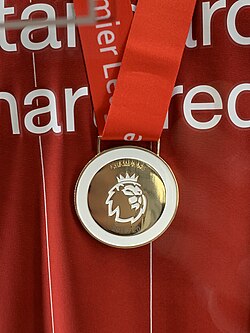
| Liverpool | 2 | 5 | 2019–20, 2024–25 |
The Modern Era and Governance
The league is managed by a corporate structure led by a Chief Executive and a Chair. Currently, Richard Masters serves as the Chief Executive, and Alison Brittain serves as the Chair. The competition is broadcast globally, with Sky Sports and TNT Sports serving as primary broadcasters in the UK, and BBC Sport providing highlights via Match of the Day.
Frequently Asked Questions
Who has won the most Premier League titles?
Manchester United has won the most championships, with a total of 13 titles.
Who is the all-time leading goalscorer in the Premier League?
Alan Shearer is the top scorer in the league's history, having scored 260 goals.
Which player has made the most appearances in the league?
James Milner holds the record for the most appearances with 658 matches.
What is the most expensive transfer fee ever paid in the Premier League?
The most expensive transfer fee is £125 million, paid for Alexander Isak in 2025.
Which team won the league without losing a single game?
Arsenal achieved this feat during the 2003–04 season, earning them the nickname "The Invincibles."