Popular Music: Evolution, Industry, and Global Impact
Popular music is defined as music with wide appeal, typically distributed to large audiences through the professional music industry. Unlike art music, which historically relied on written scores and formal performances, popular music is designed to be enjoyed and performed by people regardless of their formal musical training. While traditional music—such as early hymns or blues—was often passed down orally within local communities, popular music leverages mass media to reach a global scale.
It is important to distinguish between "popular music" and "pop music." Popular music is a generic umbrella term covering a vast array of genres that appeal to a large segment of the population. In contrast, pop music refers to a specific musical genre within that broader category. Most popular music is characterized by easily singable melodies and a repetitive structure consisting of verses, a chorus (or refrain), and a bridge that provides a transitional contrast.
Key Facts
- Broad Appeal: Designed for mass consumption and accessible to non-musicians.
- Structural Norms: Typically utilizes a verse-chorus-bridge format with singable melodies.
- Industry Roots: Emerged significantly during the Tin Pan Alley era of the 1880s in the US.
- Technological Drivers: Evolution was fueled by the gramophone, radio, television, and digital streaming.
- Modern Trends: Since the 1960s, songs have generally become slower, longer, and more likely to use minor keys.
The Evolution of the Music Industry
The Era of Sheet Music and Tin Pan Alley
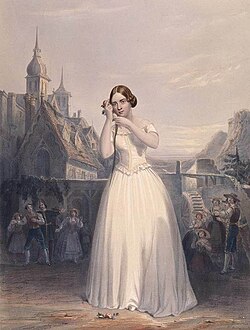
In the late 18th and early 19th centuries, the music industry focused primarily on the commodity of sheet music. Inexpensive printed music allowed middle-class amateurs to perform popular songs at home, typically centering around the piano. This era saw the rise of public performances in dance halls, pleasure gardens, and popular theaters.
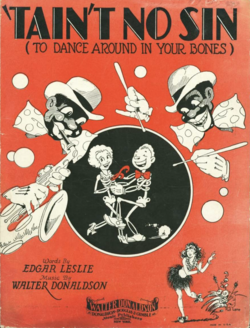
By the late 19th century, New York's Tin Pan Alley became the epicenter of US music publishing. Publishers here pioneered the constant promotion of new songs to maintain consumer interest. The introduction of player pianos further expanded reach, as they could record and playback a skilled pianist's performance for others to hear.
The Rise of Recording and Broadcasting
The early 20th century brought the gramophone, which shifted the industry from selling paper to selling recorded sound. By 1920, the record industry had exploded, with nearly 200 companies in the USA and 80 in Britain. This was followed by the advent of radio broadcasting in the 1920s, which democratized music by allowing lower-income groups—who could not afford concert tickets—to hear professional ensembles.
The late 1920s introduced "talking pictures" (sound films), further integrating music into mass entertainment. By the 1930s, the recording industry began to consolidate, leading to the dominance of a few major companies.
Television and Studio Innovation
In the 1950s and 1960s, television variety shows became primary vehicles for showcasing new artists. Simultaneously, the development of multitrack recorders revolutionized production. Sound engineers could now create effects impossible in live recordings, such as layering backup vocals or adding rhythm guitar tracks behind a solo.

Changing Trends in Sound and Content
Musical preferences shift over time due to technology and cultural trends. For example, classical music held much higher popularity in the 19th and 20th centuries than it does today. In the US, rock music peaked in the 1980s before being overtaken by pop music in the early 2000s. Since 2017, R&B and hip-hop have become the dominant forces on the charts.
Quantitative Shifts Since the 1960s
Data indicates a significant shift in the composition of popular songs over the last several decades:
- Tempo: The average beats per minute (BPM) dropped from 116 in the 1960s to 100 in the 2000s.
- Duration: Average radio play length increased from roughly three minutes in the 1960s to between 3:21 and 3:40 for Billboard Top 5 hits in 2018.
- Tonality: There has been a decline in major keys (85% in the 1960s) in favor of minor keys (roughly 40% today).
- Emotional Tone: Lyrics have trended toward being sadder, more antisocial, and more self-centered.
Interestingly, there is a growing trend of "emotional mismatch," where fast songs feature sad lyrics or slow songs utilize happy, major-key melodies.
Global Perspectives on Popular Music
Popular music manifests differently across the globe, reflecting local cultures and political shifts.
Asia and the Middle East
In China, a 2015 study of students in Shanghai revealed a preference for a mix of Chinese, other Asian, and Anglo-American music. This globalization was driven by the opening of the country in the late 1970s, the broadcasting of Western and Asian shows since the 1980s, and the accessibility provided by smartphones and streaming.





Across Africa and the Middle East, popular music continues to evolve, blending traditional influences with global genres like hip-hop and rock.
| Era | Primary Medium | Key Characteristic | Dominant Format |
|---|---|---|---|
| Late 18th/19th Century | Sheet Music | Amateur home performance | Printed scores |
| Early 20th Century | Gramophone/Radio | Mass professional distribution | 78 rpm records |
| 1960s - Mid-2000s | TV/Multitrack Recording | The "Album Era" | Vinyl LPs and CDs |
| Modern Era | Internet/Smartphones | Streaming and Globalization | Digital files/Streaming |
Frequently Asked Questions
What is the difference between popular music and pop music?
Popular music is a broad category encompassing any music with wide appeal across various genres. Pop music is a specific genre within that larger category.
How did Tin Pan Alley influence the music industry?
Tin Pan Alley publishers in New York developed the strategy of incessant promotion of new songs to sell sheet music to the middle class.
How has the tempo of popular music changed since the 1960s?
Popular music has generally slowed down, with the average tempo dropping from 116 BPM in the 1960s to 100 BPM in the 2000s.
What role did multitrack recording play in music production?
Multitrack recording allowed engineers to layer sounds, enabling artists to record their own backup vocals or add rhythm guitar tracks behind solos, moving beyond the limitations of live recording.
Why has popular music become more globalized in China?
Globalization in China was driven by policy changes in the late 1970s, the import of foreign television shows since the 1980s, and the rise of internet streaming via smartphones.