Pope John Paul II: The Life and Legacy of a Global Pontiff
Pope John Paul II, born Karol Józef Wojtyła, stands as one of the most influential figures of the 20th century. As the Bishop of Rome from 1978 to 2005, he navigated the complexities of the Cold War, modernized the outreach of the Catholic Church, and became a symbol of spiritual resilience on a global scale. His papacy was marked by an unprecedented level of international travel and a deep commitment to the youth and the marginalized.
Key Facts
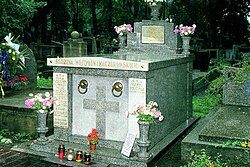
- Birth Name: Karol Józef Wojtyła (May 18, 1920 – April 2, 2005).
- Papacy: Served from October 16, 1978, to April 2, 2005.
- Firsts: The first non-Italian Pope in 455 years.
- Sainthood: Beatified on May 1, 2011, and canonized on April 27, 2014.
- Motto: Totus tuus ("Totally yours").
- Major Contributions: Promulgated the 1983 Code of Canon Law and the Catechism of the Catholic Church.
Early Life and Path to Priesthood
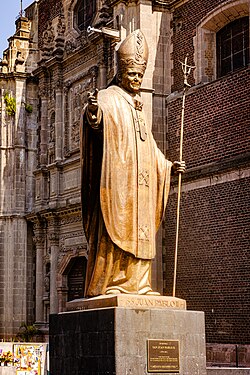
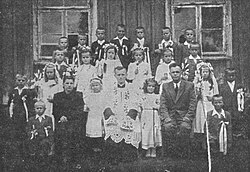
Born in Wadowice, Poland, Karol Wojtyła's early years were shaped by the tumultuous history of his homeland. He was the son of Emilia and Karol Wojtyła Sr.
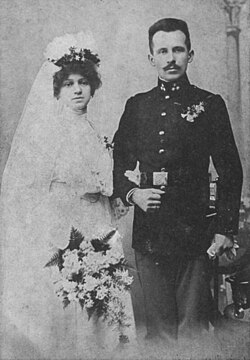
His early devotion to the faith was evident from a young age, leading him toward a vocation in the priesthood.
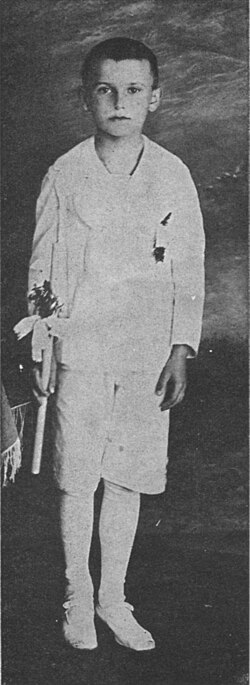
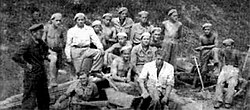
During the occupation of Poland from 1939 to 1945, Wojtyła endured hardship, including working in a Baudienst (forced labor work crew) around 1941.
Following the war, he pursued his studies and was ordained a priest on November 1, 1946, by Adam Stefan Sapieha. He furthered his academic credentials at the Pontifical University of Saint Thomas Aquinas (earning a PhL and PhD) and Jagiellonian University (earning an STD).
Rise Through the Church Hierarchy
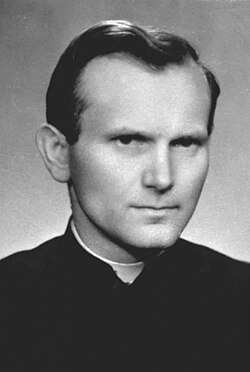
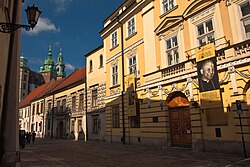
Wojtyła's intellectual depth and leadership capabilities led to a rapid ascent within the ecclesiastical structure. In 1958, he was consecrated as the Titular Bishop of Ombi and Auxiliary Bishop of Kraków.
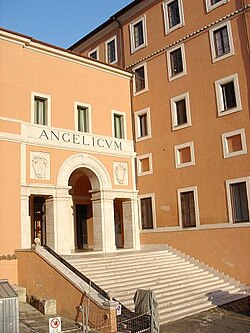
His academic pursuits took him to Rome, where he studied at the Pontifical International Athenaeum Angelicum.
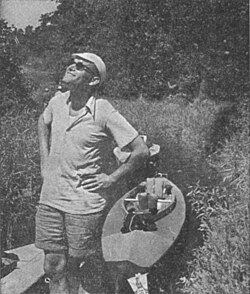
Known for his engagement with students and the youth, he often combined spiritual guidance with outdoor activities, such as kayaking trips in the countryside.
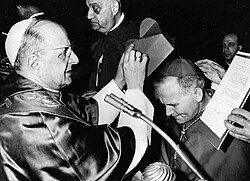
He eventually became the Archbishop of Kraków in 1964 and was created a Cardinal by Pope Paul VI on June 26, 1967.
The Papacy of John Paul II
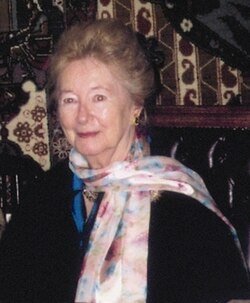
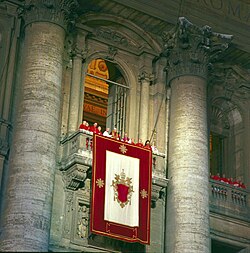
On October 16, 1978, Karol Wojtyła was elected Pope, taking the name John Paul II. His election marked a turning point for the Vatican, introducing a leader with a profound understanding of the political struggles in Eastern Europe.
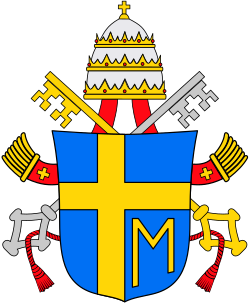
His papal coat of arms featured the Marian Cross with the letter 'M', signifying his devotion to the Blessed Virgin Mary.
Global Outreach and Pastoral Journeys
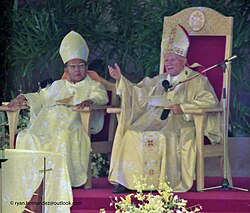
John Paul II was a "traveling Pope," visiting numerous countries to spread the Gospel and advocate for human rights. His first trip back to Poland in June 1979 is credited with helping catalyze the movement toward freedom in the region.
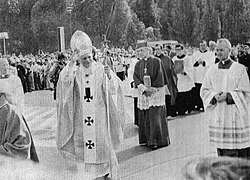
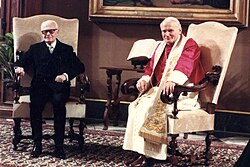
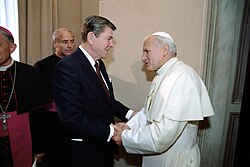
He maintained strong diplomatic ties with world leaders, including Italian President Sandro Pertini and US President Ronald Reagan.
One of his most enduring legacies was the establishment of World Youth Day, an event designed to bring young Catholics from around the world together in faith.
Interfaith Dialogue and Diplomacy
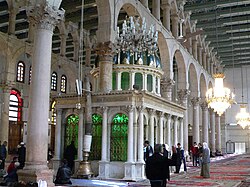
The Pope was a pioneer in interfaith relations. He was the first Pope to enter and pray in a mosque, specifically visiting the tomb of John the Baptist at the Umayyad Mosque in Damascus.
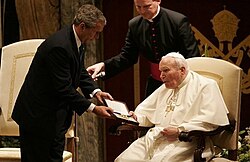
He also received the Presidential Medal of Freedom from US President George W. Bush in 2004, recognizing his global impact.
Intellectual and Theological Contributions
Beyond his public persona, John Paul II was a prolific philosopher and theologian. He was associated with Personalism and Lublin Thomism (a school of thought blending the teachings of Thomas Aquinas with modern philosophy).
His most notable works and ideas include:
- Theology of the Body: A series of lectures on human sexuality and love.
- Love and Responsibility: An exploration of ethics and human relationships.
- Culture of Life vs. Culture of Death: A framework for opposing abortion and euthanasia.
- Fides et Ratio: An encyclical on the relationship between faith and reason.
He also oversaw the promulgation of critical Church documents, including the 1983 Code of Canon Law and the Catechism of the Catholic Church.
Final Years and Passing
In his later years, the Pope suffered from declining health, which became visible to the public during his appearances in the Popemobile.
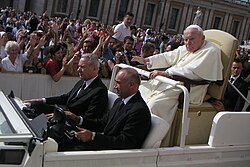
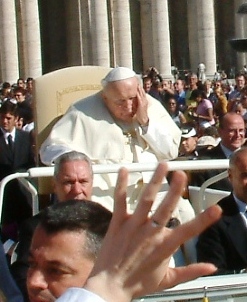
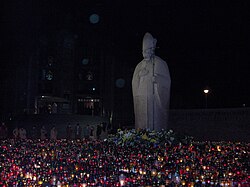
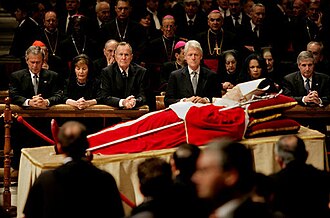
Pope John Paul II passed away on April 2, 2005, at the Apostolic Palace in Vatican City at the age of 84. His death was met with global mourning, and his body lay in state at St. Peter's Basilica, where dignitaries from across the world paid their respects.
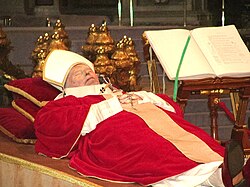
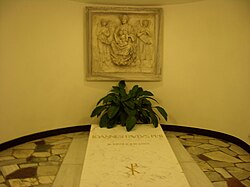
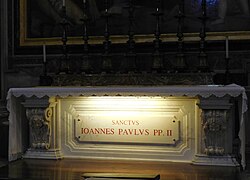
He was initially buried in the Vatican Grottoes before being moved to the Chapel of Saint Sebastian in 2011.
Sainthood and Legacy
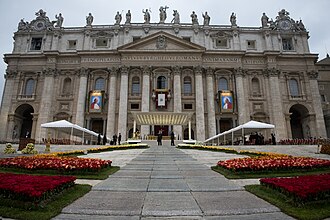
The process of recognizing his holiness moved quickly. He was beatified by Pope Benedict XVI on May 1, 2011, in front of approximately 1.5 million people.
![Some 1.5 million St. Peter's Square attendees witness the beatification of John Paul II on 1 May 2011 in Vatican City.[251]](/images/79/b8/79b8bf33b6ece88e8598cfa8e18aa2e2f705c2a6c84fb1ec875bce5fe8f510f0.jpg)
He was later canonized as a saint by Pope Francis on April 27, 2014.
Today, his legacy lives on through numerous institutions named in his honor across the globe, from universities in California and Peru to high schools in the US and Canada. His call to "Do not be afraid" continues to inspire millions.
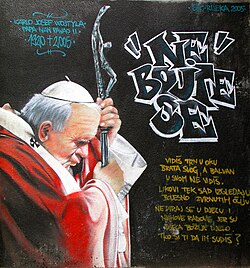
Summary of Papal Profile
| Category | Details |
|---|---|
| Full Name | Karol Józef Wojtyła |
| Papal Term | 1978 – 2005 |
| Predecessor | John Paul I |
| Successor | Benedict XVI |
| Key Works | Theology of the Body, Fides et Ratio |
| Feast Day | October 22 |
Frequently Asked Questions
What was the significance of the motto "Totus tuus"?
The Latin phrase "Totus tuus" means "Totally yours." It reflected Pope John Paul II's deep spiritual devotion to the Blessed Virgin Mary, signifying his complete consecration to her.
What is the "Theology of the Body"?
The Theology of the Body is a series of 129 Wednesday audience addresses delivered by the Pope between 1979 and 1984. It provides a comprehensive Catholic perspective on human sexuality, marriage, and the nature of the human person.
How did Pope John Paul II impact the Cold War?
Through his strong anti-communist views and his pastoral visits to Poland, he provided spiritual and moral support to the Polish people, which helped fuel the Solidarity movement and contributed to the eventual fall of communism in Eastern Europe.
When was Pope John Paul II canonized?
Pope John Paul II was canonized as a saint by Pope Francis on April 27, 2014, during a ceremony held in St. Peter's Square, Vatican City.
What are some of the major laws he promulgated?
He was responsible for the promulgation of the 1983 Code of Canon Law, the Code of Canons of the Eastern Churches (1990), and the Catechism of the Catholic Church (1992).