Pollination: The Biological Mechanisms and Ecological Importance of Plant Reproduction
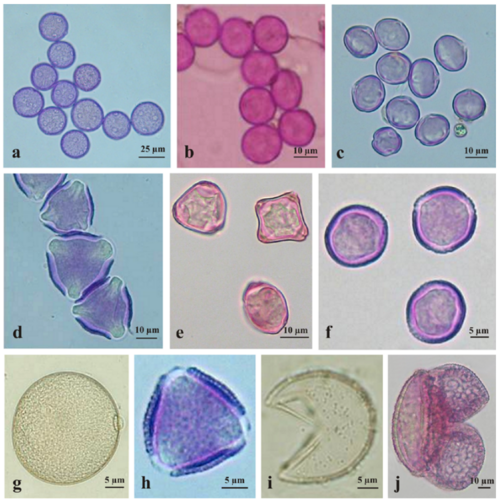
Pollination is the fundamental biological process of transferring pollen from the anther (the pollen-producing part of a stamen) to the stigma (the receptive tip of a plant's carpel). This critical transfer enables fertilisation and the subsequent production of seeds, ensuring the survival and genetic diversity of most flowering plants.
While we often associate pollination with bees, the agents responsible for this process are diverse. They include animals such as insects, birds, and bats, as well as abiotic factors like wind, water, and rain. In some instances, plants are even capable of self-pollination within a closed flower. When pollination occurs between different species, it can lead to the creation of hybrid offspring, a phenomenon utilized extensively in plant breeding.
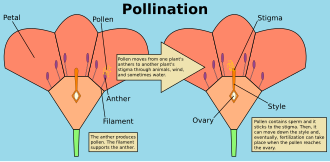
The Biological Process of Fertilisation
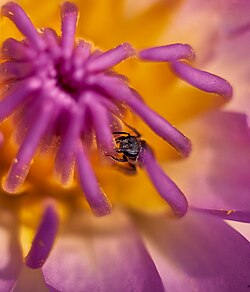
The mechanism of fertilisation differs significantly between the two primary groups of seed-producing plants: angiosperms and gymnosperms.
Angiosperms (Flowering Plants)
In angiosperms, once a pollen grain (the gametophyte) lands on the stigma, it germinates and develops a pollen tube. This tube grows down the style to reach the ovary. Two male gametes travel through this tube to the carpel, where female gametes are held. Upon entering the ovule through the micropyle, a process called double fertilisation occurs: one male nucleus fuses with the polar bodies to create endosperm tissues (nutritious tissue), while the other fuses with the egg cell to form the embryo.
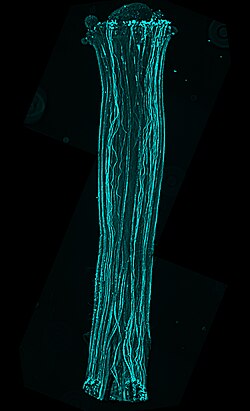
Gymnosperms (Non-flowering Seed Plants)
Gymnosperms do not have carpels; instead, their ovules are exposed on the surface of support organs, such as the scales of a cone. Fertilisation methods vary by division: cycads and Ginkgo possess motile sperm that swim to the egg, whereas conifers and gnetophytes utilize a pollen tube to convey non-swimming sperm to the egg.
Methods of Pollination
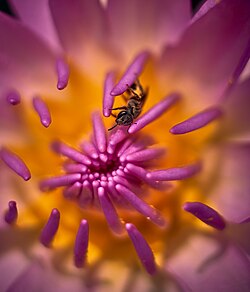
Pollination is broadly categorized into biotic and abiotic methods, depending on whether a living organism is required to move the pollen.
Biotic Pollination
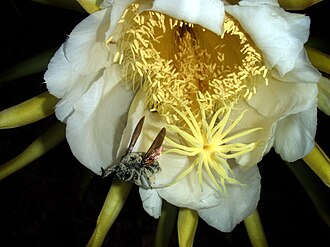
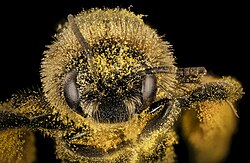
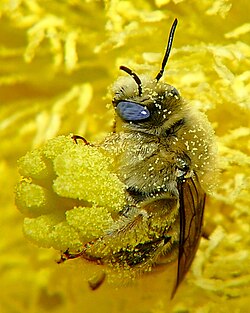
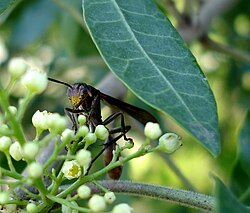
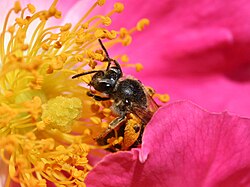
Approximately 80% of angiosperms rely on biotic pollination. Between 100,000 and 200,000 animal species act as pollinators for the world's 250,000 flowering plant species. While insects—particularly bees, beetles, and butterflies—are the primary vectors, about 1,500 species of birds and mammals also contribute. These include bats, monkeys, lemurs, squirrels, rodents, and possums.
Abiotic Pollination
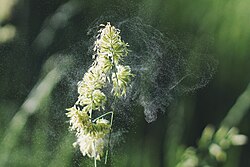
Abiotic pollination occurs through non-living mediums. The most common are wind, water, and rain. Wind-pollinated plants typically produce large quantities of lightweight pollen to increase the chance of reaching another plant.
Key Facts
- Biotic Dominance: About 80% of flowering plants depend on animals for pollination.
- Double Fertilisation: A unique process in angiosperms where two male nuclei fuse with different cells to create both an embryo and endosperm.
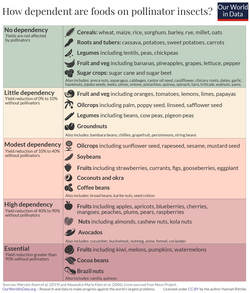
- Agricultural Impact: While staple crops like wheat and rice are wind or self-pollinated, over 10% of the human plant-based diet (211 kcal/person/day) depends on insect pollination.
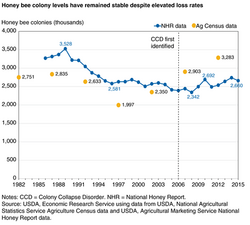
- Honey Bee Decline: In the U.S., honey bee colonies saw a 59% loss between 1947 and 2005.
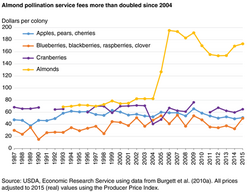
- Managed Pollination: California almond orchards represent the world's largest managed event, utilizing nearly one million honey bee hives.
Pollination in Agriculture and Economics
Pollination management is a specialized branch of agriculture designed to protect and enhance pollinator populations, especially in monoculture environments like commercial orchards. Because many crops require specific pollinator densities, commercial beekeepers often act as contractors, migrating their hives across the country to follow the bloom cycles of various crops.
| Crop Type | Estimated Hives Required | Region |
|---|---|---|
| Almonds | ~1,000,000 | California |
| Blueberries | ~50,000 | Maine |
| Apples | ~30,000 | New York |
Environmental Threats and Pollinator Decline
The decline of pollinators, particularly bees, poses a significant threat to global food security. The honey bee (Apis mellifera) has been the most studied in this regard. Several factors contribute to their population decrease, including habitat fragmentation, parasites, diseases, and the use of pesticides.
Of particular concern are neonicotinoids. These insecticides are favored for their low mammalian toxicity and target specificity. However, they are systemic, meaning they permeate the entire plant, including the nectar and pollen. Research indicates that neonicotinoids negatively affect the nervous systems and colony relations of honey bees.
Frequently Asked Questions
What is the difference between self-pollination and cross-pollination?
Self-pollination occurs when pollen is transferred within a single closed flower or between flowers on the same plant. Cross-pollination involves the transfer of pollen from the anther of one plant to the stigma of a different plant of the same species, promoting genetic diversity.
Why is double fertilisation important in angiosperms?
Double fertilisation ensures that a seed is produced with both an embryo (the future plant) and a nutrient-rich endosperm to support the embryo's growth during germination.
Which crops are not dependent on insect pollinators?
Many of the world's most essential staple food crops, including wheat, maize, rice, soybeans, and sorghum, are either wind-pollinated or self-pollinating.
How do neonicotinoids harm bees?
Because neonicotinoids are systemic, they enter the pollen and nectar that bees collect. Once ingested, these chemicals can impair the bees' nervous systems and disrupt the social organization and relations within the colony.
What animals besides bees act as pollinators?
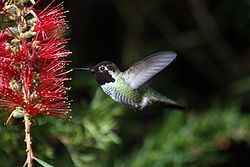
Pollinators include a wide array of animals, such as butterflies, beetles, birds (like hummingbirds), bats, and even mammals such as lemurs, monkeys, and rodents.