Pollination Syndromes: How Flower Traits Evolve to Attract Specific Vectors
In the natural world, the relationship between a flower and its pollinator is rarely accidental. Through a process known as pollinator-mediated selection, plants develop specific suites of traits—such as color, shape, scent, and nectar composition—to attract particular pollen vectors. These specialized sets of characteristics are known as pollination syndromes.
First studied in the 19th century by Italian botanist Federico Delpino, these syndromes help scientists understand the complex evolutionary dance between plants and the organisms that help them reproduce. While these categories provide a vital framework, modern biology suggests they exist on a continuum rather than as rigid, discrete boxes. Nature is often more subtle and unpredictable than early botanists imagined.
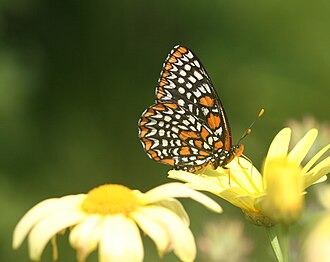
Key Facts
- Pollination syndromes are groups of floral traits evolved in response to specific pollinators.
- Abiotic pollination relies on non-living vectors like wind or water.
- Biotic pollination involves living organisms such as insects, birds, and mammals.
- Traits include flower shape, size, color, odor, and nectar rewards.
- Convergent evolution allows distantly related plants to develop similar traits if they share the same pollinator.
Abiotic Pollination: Wind and Water
Not all pollination requires a living visitor. Abiotic pollination occurs when physical environmental forces move pollen from one plant to another.
Wind Pollination (Anemophily)
Anemophilous flowers are typically small, inconspicuous, and lack bright colors or scents. Because relying on the wind is imprecise, these plants often produce enormous quantities of small, lightweight pollen grains. Their stamens are frequently long and protruding, while their stigmas (the female receptive parts) are often large and feathery to maximize the chance of catching passing pollen. Because they produce such high volumes of pollen, wind-pollinated plants are common sources of seasonal allergens.
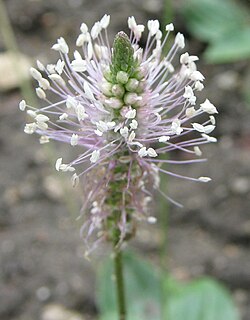
Water Pollination (Hydrophily)
Hydrophily is relatively rare, accounting for only about 2% of pollination. In these aquatic environments, water currents act as the vector. Like wind-pollinated plants, these flowers are often small and inconspicuous, featuring many pollen grains and feathery stigmas. An example of an aquatic plant is Vallisneria, though many other aquatic species actually rely on insects once their flowers emerge above the water line.
Biotic Pollination: The Role of Animals
Biotic pollination involves living vectors that are actively attracted to the plant, usually through a reward like nectar or pollen.
Insects: Bees, Butterflies, and Moths
Insects represent a massive group of pollinators, each with distinct preferences:
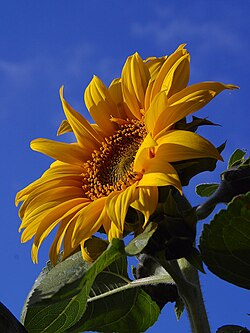
- Bees: Bee-pollinated flowers can be actinomorphic (radially symmetrical) or zygomorphic (bilaterally symmetrical). They often feature blue or yellow colors, ultraviolet nectar guides, and scents. The nectar is typically sucrose-dominated.
- Butterflies: These pollinators prefer large, showy, pink or lavender flowers that provide a sturdy landing area. Because butterflies do not digest pollen, these flowers typically offer more nectar, often hidden in narrow tubes or spurs.
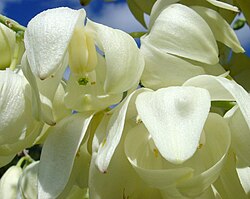
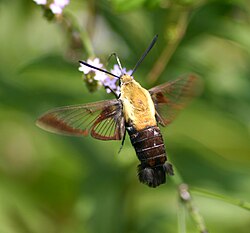
- Moths: Hawk moths (Sphingidae) are high-energy pollinators that hover like hummingbirds. Consequently, moth-pollinated flowers are often white, large, and produce strong, sweet scents at night or during twilight. Other moths, like Noctuids, fly more slowly and visit smaller flowers.
Flies and Beetles
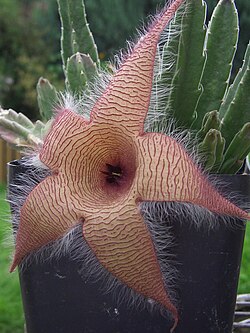
Myophilous plants are pollinated by flies and often feature open dish-shaped flowers in shades of purple, blue, or white. A more specialized subset is sapromyophilous pollination, where plants mimic the odor of decaying organic matter or dung to attract carrion flies. These plants often provide no nectar reward, essentially tricking the flies into visiting.
Birds and Mammals
Birds and mammals have evolved unique interactions with certain floral structures:
- Birds: Specialist nectarivores often visit large, red or orange tubular flowers. Since birds have a limited sense of smell, these flowers are frequently odorless. Hummingbirds favor pendulous flowers, while perching birds require more robust structures with landing platforms.
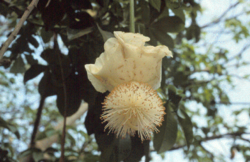
- Bats: In the Old World, bat pollination involves large fruit bats that must perch to feed. These flowers are typically large, white or light-colored, and emit strong, musty odors at night.
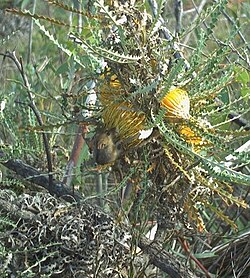
- Non-flying Mammals: Many nocturnal mammals rely on scent rather than color. An unusual example is the Western Australian Honey possum (Tarsipes rostratus), which has adapted to feed exclusively on pollen and nectar from various plants, including many Banksia species.
The Evolutionary Logic of Specialization
Pollination syndromes are a result of convergent evolution. This occurs when distantly related species evolve similar phenotypes (physical forms) because they are responding to the same selection pressures. For instance, if two unrelated plants are both pollinated by nocturnal moths, they may both evolve white, night-blooming flowers with sweet scents.
Specialization offers advantages, such as increased efficiency; honeybees, for example, often show high flower constancy, visiting only one species for a period, which ensures effective pollen transfer. However, generalization—attracting a wide variety of pollinators—acts as a biological insurance policy. If one pollinator species declines in a given year, the plant can rely on others to ensure reproduction.
Summary of Pollination Syndromes
| Vector Type | Common Floral Traits | Typical Rewards |
|---|---|---|
| Wind (Anemophily) | Small, inconspicuous, no scent, feathery stigmas | None |
| Bees | Blue/yellow, UV guides, zygomorphic shapes | Nectar and Pollen |
| Butterflies | Large, showy, pink/lavender, landing platforms | High Nectar |
| Moths | White, tubular, strong nocturnal scent | High Nectar |
| Birds | Red/orange, tubular, odorless, robust | Dilute Nectar |
| Bats | Large, white/pale, musty odor, nocturnal | Large amounts of nectar |
Frequently Asked Questions
Can a plant be pollinated by both wind and insects?
Yes. These are known as ambophilous flowers, which utilize both wind and insect vectors for pollination.
Why are wind-pollinated plants often associated with allergies?
Wind-pollinated plants must produce enormous quantities of small, lightweight pollen grains to increase the statistical chance of successful pollination, which can trigger allergic reactions in humans.
Is the pollination syndrome theory always accurate?
Not always. While useful, syndromes are better viewed as extremes on a continuum. Many plants do not fit perfectly into classical categories, and researchers have found that some species can be predicted more accurately by looking at subtle traits, such as how anthers open, rather than just color or shape.
What is the difference between myophilous and sapromyophilous plants?
Myophilous plants are generally pollinated by flies and may have simple colors and scents. Sapromyophilous plants are a specialized group that mimics the smell of dead animals or dung to attract flies, often providing no nectar reward.
How does Charles Darwin's work relate to pollination?
Darwin famously predicted the existence of a long-tongued moth to pollinate the orchid Angraecum sesquipedale based solely on the flower's structure. His prediction was proven correct 21 years after his death when the moth was finally discovered.