Plants: The Biology, Evolution, and Diversity of the Kingdom Plantae
Plants are the silent architects of life on Earth. From the microscopic single-celled algae to the towering redwoods, these organisms form the foundation of almost every terrestrial ecosystem. By converting sunlight into chemical energy, plants act as the primary producers that sustain the vast majority of the planet's living creatures.
The scientific classification of plants has evolved as our understanding of genetics and phylogeny has deepened. Broadly, they are categorized under the domain Eukaryota and the clade Archaeplastida. Depending on the taxonomic scope used, the term "plants" can refer strictly to land plants (Embryophyta), green plants (Viridiplantae), or the broader group of Archaeplastida.
Key Facts
- Temporal Range: Plants have existed from the Mesoproterozoic era to the present.
- Primary Role: They serve as the world's primary producers through photosynthesis.
- Diversity: Flowering plants (Angiosperms) are the most diverse group, with approximately 258,650 living species.
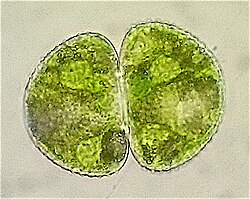
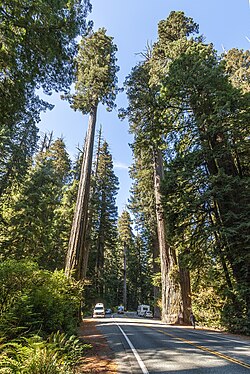
- Scale: Plant size varies from single-celled organisms like Cosmarium botrytis to giants like the coast redwood, which can reach 120 metres (380 ft).
- Classification: Major groups include green algae, bryophytes, pteridophytes, and spermatophytes.
Plant Classification and Diversity
The kingdom is divided into several major groups based on their evolutionary complexity and reproductive strategies. These range from non-vascular plants that lack true roots and stems to highly complex seed-bearing plants.
Green Algae and Early Lineages
Green algae are divided into the Chlorophyta and Charophyta. While some are unicellular, others are multicellular. Charophytes, including desmids and stoneworts, are particularly significant as they are closely related to the ancestors of land plants.
Non-Vascular and Seedless Plants
Bryophytes, which include liverworts, hornworts, and mosses, represent some of the earliest land plants. They lack a vascular system for transporting water. Following them are the Pteridophytes, such as ferns and clubmosses, which introduced vascular tissues but still reproduce via spores rather than seeds.
Seed Plants (Spermatophytes)
Seed plants are the most dominant flora on land. They are split into gymnosperms (such as conifers, cycads, and ginkgo) and angiosperms. Angiosperms, or flowering plants, are the most successful group in terms of species count and ecological distribution.
| Informal Group | Division (Phylum) | Common Name | Approx. Living Species |
|---|---|---|---|
| Green Algae | Chlorophyta / Charophyta | Green Algae | 6,600 – 10,300 |
| Bryophytes | Marchantiophyta / Bryophyta / Anthocerotophyta | Liverworts, Mosses, Hornworts | 12,100 – 20,200 |
| Pteridophytes | Lycopodiophyta / Polypodiophyta | Clubmosses, Ferns | 12,200 |
| Spermatophytes | Pinophyta / Angiospermae / Others | Conifers, Flowering Plants | 259,500+ |
Plant Physiology and Structure
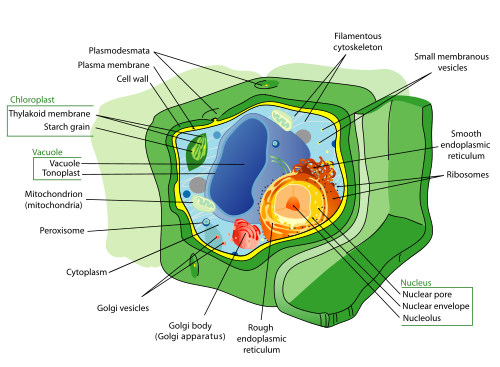
The biological success of plants is rooted in their specialized cellular structure. Unlike animal cells, plant cells possess a rigid cell wall and chloroplasts, the organelles responsible for photosynthesis—the process of converting light energy, water, and carbon dioxide into oxygen and energy-rich carbohydrates.
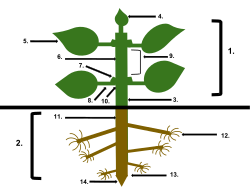
In seed plants, the anatomy is typically divided into two main systems: the shoot system (above ground) and the root system (below ground). The shoot system includes the stem, leaves, and buds, while the root system anchors the plant and absorbs nutrients from the soil.
Reproduction and Growth
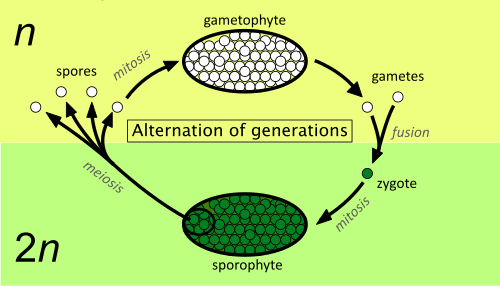
Plants employ both sexual and asexual reproduction to ensure survival. Sexual reproduction often involves an alternation of generations, cycling between a haploid gametophyte and a diploid sporophyte.
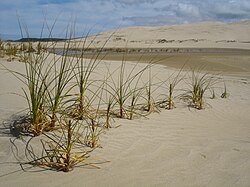
Asexual reproduction allows plants to spread rapidly without seeds. This can occur through runners, as seen in some grasses, or other vegetative means.
Ecology and Human Importance
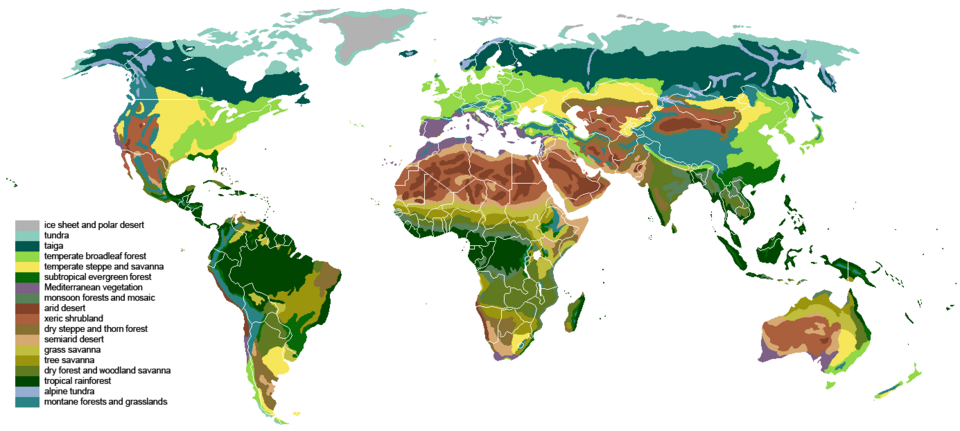
Plants are distributed across diverse biomes, from the frozen tundra to tropical rainforests. They engage in complex ecological relationships, such as mutualism with pollinators (bees and hummingbirds) or acting as carnivorous predators to supplement their nutrient intake in poor soils.
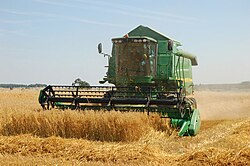
For humans, plants are indispensable. They provide the bulk of our food supply through agriculture and offer essential raw materials for timber and industry. Furthermore, plants have been the primary source of medicines for millennia, from ancient herbal extracts to modern pharmaceuticals.
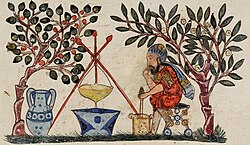
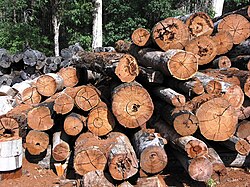
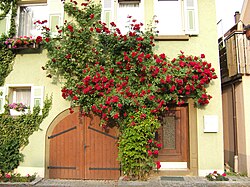
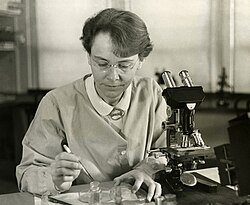
In the realm of science, plants have been pivotal for understanding genetics. Barbara McClintock's work with maize, for example, revolutionized our understanding of how traits are inherited.
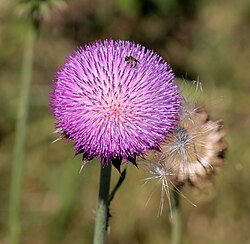
However, plants can also present challenges. Invasive species, such as the musk thistle, can disrupt local ecosystems by outcompeting native flora.
Frequently Asked Questions
What is the difference between a bryophyte and a pteridophyte?
Bryophytes (like mosses) are non-vascular plants that lack specialized tissues for transporting water and nutrients. Pteridophytes (like ferns) are vascular plants, meaning they have a system of xylem and phloem to move water and food throughout the plant.
Which group of plants has the most species?
The Angiosperms, or flowering plants, are by far the most diverse group, with an estimated 258,650 living species.
What is the alternation of generations?
It is a reproductive cycle found in all plants where the organism alternates between two distinct multicellular stages: a haploid gametophyte (which produces gametes) and a diploid sporophyte (which produces spores).
How do plants contribute to the environment as primary producers?
Plants use photosynthesis to convert solar energy into chemical energy (glucose). This process creates the organic matter that forms the base of the food chain for almost all other life forms on Earth.
What are the main systems of a seed plant?
Seed plants are generally divided into the shoot system, which includes the stem, leaves, and buds, and the root system, which consists of the primary root and root hairs used for anchorage and absorption.