Plant Structures
Plant structures, or organs, are specialized biological units designed to fulfill specific functions. The form of these structures is directly dictated by the role they play in the plant's survival, growth, and reproduction. In the study of botany, terrestrial plants are generally categorized into vascular plants and non-vascular plants (Bryophytes), as these groups evolved distinct adaptations for life on land.
Key Facts
- Roots can be primary (from the embryo) or adventitious (forming from stems or other roots).
- Stems provide structural support and can be modified into storage organs like tubers, bulbs, and corms.
- Leaves are the primary photosynthetic organs, characterized by their blade, petiole, and arrangement (phyllotaxy).
- Flowers are reproductive structures consisting of the androecium (male) and gynoecium (female).
- Fruits are mature ovaries that protect seeds and aid in their dispersal.
Vegetative Morphology
Root Systems and Structures
Roots serve as the anchor for the plant and the primary means of absorbing water and nutrients. The root crown is the junction where the root system meets the stem. While primary roots develop from the embryo's radicle, secondary roots branch off from the primary root. Adventitious roots are those that emerge from non-root tissue, such as the stem.
Specialized root types include taproots, which grow deep into the soil, and fibrous roots, which are thread-like. Some plants have evolved haustorial roots to parasitize other plants, or lignotubers to regenerate after fire damage. For nutrient absorption, plants utilize root hairs—unicellular appendages extending from the epiblema (the outermost epidermal layer).
| Root Type | Description | Example/Function |
|---|---|---|
| Conical | Broad base, tapering apex | Storage (e.g., Carrot) |
| Velamen | Spongy 4-5 cell layer | Atmospheric moisture absorption (Orchids) |
| Buttress | Plank-like extensions | Mechanical support |
| Haptera | Root-like projections | Anchoring (Macroalgae/Lichens) |
Stem Anatomy and Modifications
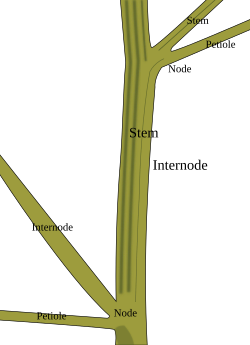
The stem is the vascular tissue providing support and transporting nutrients. A node is the point where leaves and buds attach, while the pith is the spongy central tissue. Stems can be caulescent (having a distinct stem) or modified for specific environments.
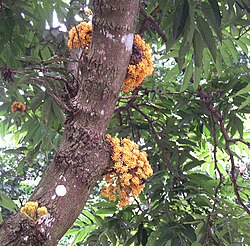
Modified stems include rhizomes (horizontal underground stems), stolons (above-ground runners), and tubers (enlarged storage organs). Some stems are alate, meaning they possess wing-like structures, while others exhibit cauliflora, where flowers and fruit grow directly from the trunk.
Leaf Morphology
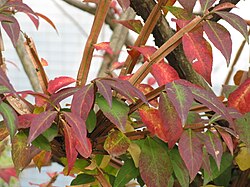
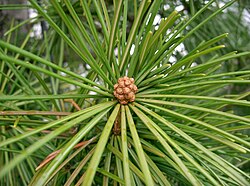
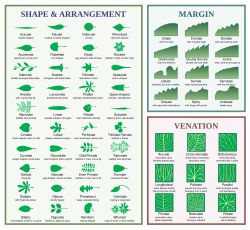
Leaves are the primary organs for photosynthesis. A complete leaf typically consists of a blade, a petiole (the stalk), and stipules (small appendages at the base of the petiole). The arrangement of leaves on a stem is known as phyllotaxy; for example, a whorl occurs when three or more leaves arise from a single node.
Leaf textures can vary from coriaceous (leathery) to villose (covered in long, non-matted hairs). Some plants produce a bloom, which is a protective waxy coating.
Floral and Reproductive Structures
The Anatomy of a Flower
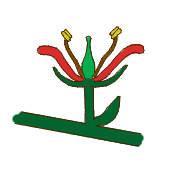
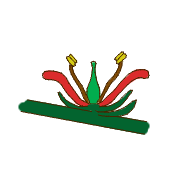
The anthesis is the period when a flower is fully open and functional. The basic structure includes the calyx (outer whorl of sepals) and the perianth (the floral envelope). The receptacle is the base where all floral parts are joined.
The male reproductive organ is the androecium, composed of stamens. The female organ is the gynoecium, consisting of the pistil (stigma, style, and ovary). The ovary contains loculi (cavities) where ovules are attached via the placenta.
Inflorescences and Pollination
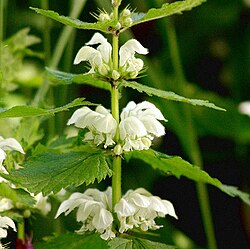
Flowers often grow in clusters called inflorescences. Common types include the corymb (flat-topped), the cyme (oldest flowers at the top), and the spike (flowers attached directly to the stem without individual stalks).
Pollination strategies vary: allogamy refers to cross-pollination, while cleistogamous flowers self-pollinate without ever opening. Dichogamy prevents self-pollination by timing the ripening of anthers and stigmas differently.
Fruits and Seeds
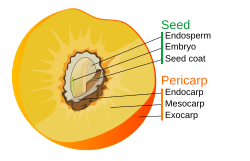
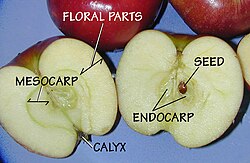
Fruits are mature ovaries that may include other fused floral parts. They are categorized by how they release seeds. Indehiscent fruits remain closed, while dehiscent fruits open at a suture (seam). Examples include the drupe (fleshy exterior with a stony seed) and the caryopsis (where the seed coat is fused to the fruit wall, common in grasses).
Non-Vascular and Seedless Plants
Pteridophytes and Bryophytes
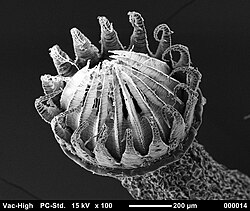
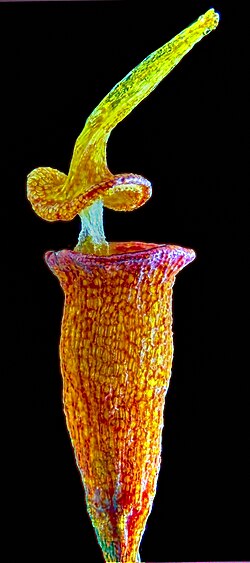
Pteridophytes utilize sporophylls (spore-bearing leaves) and strobili. In Bryophytes, the sporangium (capsule) releases spores through a stoma (mouth), often surrounded by tooth-like structures called the peristome.
The calyptra protects the embryonic sporophyte, and elaters help in the dispersal of spores in liverworts.
Frequently Asked Questions
What is the difference between a rhizome and a stolon?
A rhizome is a horizontally oriented stem that typically grows underground, whereas a stolon (or runner) grows horizontally above or along the soil surface.
What are adventitious roots?
Adventitious roots are roots that develop from any part of the plant other than the radicle of the embryo, such as roots forming directly from a stem.
What is the function of the velamen in epiphytic orchids?
The velamen is a spongy, multi-layered tissue that allows epiphytic orchids to absorb moisture directly from the atmosphere.
How does a drupe differ from an achene?
A drupe is a fleshy fruit with a hard shell surrounding a single seed, while an achene is a dry, indehiscent fruit where the seed is distinct from the fruit wall.
What is the role of the peristome in Bryophytes?
The peristome is a tooth-like structure surrounding the stoma of the sporangium that helps regulate the release and dispersal of spores.