Pisco: The Historic Grape Brandy of Peru and Chile
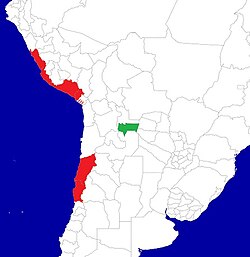
Pisco is a clear to amber-colored distilled spirit produced in the winemaking regions of Peru and Chile. Created by distilling fermented grape juice into a high-proof brandy, it was developed by 16th-century Spanish settlers. It served as a practical alternative to orujo (a pomace brandy imported from Spain), utilizing abundant local fruit and reducing the logistical burden of transporting alcohol to remote colonial outposts.
The beverage is deeply intertwined with the cultural identity of the Andean region, blending European distillation techniques with local agriculture. From its origins in colonial ports to its status as a global cocktail staple, pisco represents a centuries-old tradition of viticulture.
Key Facts
- Type: Distilled grape brandy.
- Alcohol Content: Typically ranges between 33% and 50% ABV.
- Ingredients: Water and grapes (primarily Muscat or Italia varieties).
- Cultural Status: Designated as Intangible Cultural Heritage of Peru since April 7, 1988.
- Primary Producers: Peru and Chile, with Bolivia producing a related spirit called Singani.
Etymology and Early History
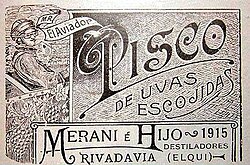
The term "pisco" likely derives from the Peruvian town of Pisco, which served as a vital colonial port for exporting viticultural products. By 1764, the term was widely used to denote Peruvian aguardiente (firewater). Historically, the spirit was known as "Aguardiente de Pisco" before being shortened to simply "Pisco" upon its export to Europe and Spain.
!["The town of Ica, land of much wine, the best of the kingdom", painting of 1615 by the Inca painter Guamán Poma in his work "Nueva corónica y buen gobierno". Royal Library, Denmark.[17]](/images/aa/8b/aa8b677ce16361f528d7494b69c127e0be59324b0d5f991c901780bc1a3a6c16.jpg)
Viticulture flourished in the Viceroyalty of Peru by 1560. The industry became so successful that the Spanish Crown attempted to protect its own wine exports by banning new vineyards in the Americas in 1595 and restricting exports to Panama and Guatemala in the early 17th century. These protectionist pressures likely accelerated the shift toward distillation, as pisco was easier to transport and store than wine.
The Rise and Fall of Early Production
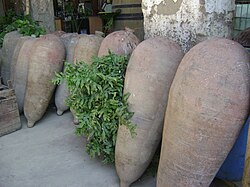
In the 17th century, the mining boom in Potosí—then the largest city in the New World—significantly boosted pisco consumption. However, the industry faced several setbacks. A devastating earthquake in 1687 destroyed wine cellars and clay storage jars (also called piscos) in Ica and Villa de Pisco. Later, the suppression of the Society of Jesus led to the auctioning of expert-run Jesuit vineyards to less experienced owners.
By the 19th century, the industry declined further as Peruvian growers shifted from vineyards to cotton planting to meet the demands of industrialized Europe, particularly during the American Civil War (1861–1865) when cotton prices peaked.
Regional Variants and Production
While both nations produce pisco, their methods and legal frameworks differ significantly.
Peruvian Pisco
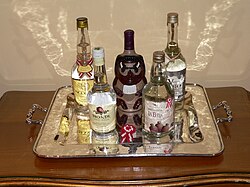
Peruvian pisco is governed by a Denomination of Origin (D.O.) established in 1991, limiting production to five departments: Lima, Ica, Arequipa, Moquegua, and Tacna. It is produced exclusively in copper pot stills and is never diluted with water after distillation, meaning it is bottled at its natural distillation strength.
Chilean Pisco
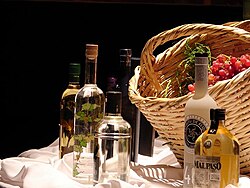
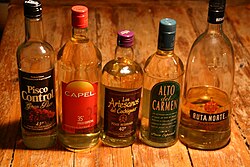
Chilean pisco's D.O. was established in 1931, covering the Atacama and Coquimbo regions. Unlike the Peruvian variety, Chilean pisco may be produced using various distillation methods, including double distillation. It is categorized by alcohol content:
- Pisco Corriente o Tradicional: 30% to 35% ABV
- Pisco Especial: 35% to 40% ABV
- Pisco Reservado: 40% ABV
- Gran Pisco: 43% ABV or higher
The Manufacturing Process
The production of pisco begins with the fermentation of Muscat or Italia grapes. A traditional step involves grape-stomping, often performed in the afternoon to avoid coastal heat. The stomped juice is collected in a saturation basin called a puntaya for 24 hours before moving to fermentation tubs.
Fermentation typically lasts seven days, allowing natural yeasts to convert sugars into alcohol. Producers carefully control the temperature to prevent the evaporation of natural grape aromas. Finally, the liquid is distilled in large copper basins to reach its final potency.
Pisco in Modern Mixology
Pisco is the foundation for several world-famous cocktails and regional mixed drinks.
| Cocktail Name | Key Ingredients | Origin/Style |
|---|---|---|
| Pisco Sour | Pisco, egg whites, bitters | Classic |
| Pisco Punch | Pisco, pineapple, gum arabic, syrup | San Francisco (19th C) |
| Serena Libre | Pisco, Chilean papaya juice, sugar | Chilean |
| Chilcano de Pisco | Pisco, lemon juice, bitters, ginger ale | Peruvian |
| Cóctel de Algarrobina | Pisco, carob syrup, cinnamon, egg yolk, cream | Peruvian |
Consumption and Market Trends
Consumption patterns vary by country. In Chile, per capita consumption is approximately 3 liters per year, with a strong market for premium pisco. In Peru, consumption was reported at 0.5 liters per capita in 2008, though it has since grown as it competes with rum and whisky.
Interestingly, Chile is the top importer of Peruvian pisco, with an estimated import value of US$1.6 million in 2016, followed by the United States at US$1.4 million.
Frequently Asked Questions
What is the difference between Peruvian and Chilean pisco?
The primary differences lie in production and regulation. Peruvian pisco is distilled in copper pot stills and is never diluted with water before bottling. Chilean pisco may use different distillation methods and is often categorized by specific alcohol percentage tiers.
What grapes are used to make pisco?
Pisco is typically produced from Muscat or Italia grapes, which are fermented and then distilled.
What is a "Mosto Verde" pisco?
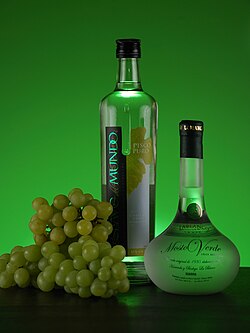
Mosto Verde is a variety of Peruvian pisco that requires a higher quantity of grapes (12 kg per bottle compared to 8 kg for regular pisco) to achieve its specific characteristics.
Is pisco the same as Singani?
While related, they are different. Singani is a similar grape-based spirit produced primarily in the Department of Tarija, Bolivia.
How is pisco traditionally stored?
Historically, the fermented juice and resulting liquor were stored in clay jars, which were themselves referred to as "piscos."