Pichincha: The Historic and Cultural Heart of Rosario
Nestled in the northeast section of the central area of Rosario, Santa Fe, lies Pichincha. This distinctive barrio (neighborhood) serves as a living timeline of the city's evolution, transitioning from a bustling 19th-century transport hub to a modern center of culture and gastronomy.
The neighborhood is defined by clear boundaries: Vera Mujica Street, Cordoba Street, Oroño Boulevard, and Del Valle Avenue. Its unique character is a result of its industrial origins and a subsequent cultural rebirth that has made it one of the most attractive districts in the city.
Key Facts
- Location: Northeast central area of Rosario, Santa Fe, Argentina.
- Historical Driver: Growth was fueled by 19th-century railway expansion and agricultural port exports.
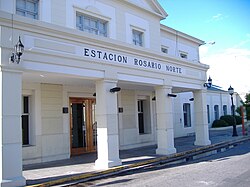
- Central Landmark: The Rosario Norte station (formerly Sunchales station).
- Cultural Highlight: The weekly Retro Fair "La Huella" on Rivadavia Avenue.
- Current Status: A hub for high-profile bars, restaurants, and the city's Culture Secretariat.
The Industrial Roots of Pichincha
The development of Pichincha was inextricably linked to the economic boom of the 19th century. As Argentina expanded its agricultural exports, the activity at the port and the growth of railway lines drove the urbanization of the area. The most critical point of this expansion was the Sunchales train station, which functioned as a tramway terminal and served as the dividing line between the established city and the developing suburbs.
The Evolution of Pichincha Street
The neighborhood's primary thoroughfare has a naming history that reflects the political shifts of the region. Originally named Pichincha Street after a pivotal battle in the Ecuadorian War of Independence, it was later renamed Ricchieri Street in honor of General Pablo Ricchieri, a late 19th-century Minister of War. In the early 2000s, the municipal government restored the original name, Pichincha, though some street signs continued to display the name Ricchieri as recently as 2006.

From Decline to Cultural Renaissance
As the city grew, Pichincha experienced a complex social shift. The municipality attempted to regulate illegal brothels by concentrating them in a specific zone, leading the area to become a red-light district. However, as the Argentine railway system declined, the neighborhood lost its primary economic engine and its general attraction diminished.
The turn of the 21st century marked a turning point. Through a combination of government support and grassroots initiatives from local residents, Pichincha began a process of recovery. Rather than erasing the past, the neighborhood embraced its retro appeal, preserving and restoring old structures to create a unique atmosphere.
Modern Attractions and the Retro Fair
Today, the municipality encourages this vintage aesthetic, notably by installing old-fashioned street lampposts along Rivadavia Avenue. The former Rosario Norte station has found new life as the seat of the Culture Secretariat of Rosario since 2002.
The neighborhood is now a destination for food and nightlife, featuring a mix of modern discos and high-profile restaurants. A weekly highlight is the Feria Retro "La Huella". Every Sunday, Rivadavia Avenue is closed to traffic to host this fair, where visitors can find antiques and enjoy open-air tango, theater performances, puppet shows, and open radio broadcasts.
| Feature | Details |
|---|---|
| Boundaries | Vera Mujica St., Cordoba St., Oroño Blvd, Del Valle Ave. |
| Historical Station | Sunchales Station (now Rosario Norte) |
| Key Event | Feria Retro "La Huella" (Sundays) |
| Administrative Use | Seat of the Culture Secretariat of Rosario |
Frequently Asked Questions
What is the history of the name Pichincha?
The neighborhood and its main street were named after a battle in the Ecuadorian War of Independence. The street was later renamed Ricchieri after General Pablo Ricchieri, but the original name was restored by the municipal government in the early 2000s.
What is the significance of the Rosario Norte station?
Originally known as the Sunchales station, it was a vital railway and tramway terminal that drove the 19th-century growth of the neighborhood. Since 2002, it has housed the Culture Secretariat of Rosario.
What can visitors experience at the Retro Fair "La Huella"?
Held every Sunday on Rivadavia Avenue, the fair offers antique kiosks and various cultural performances, including tango, theater, puppet shows, and open radio.
How has the neighborhood changed in recent years?
After a period of decline following the fall of the railway system, Pichincha has been revitalized into a cultural hub. It now features restored historic architecture, vintage street lighting, and a vibrant scene of bars and restaurants.