Phenotype: The Science of Observable Traits and Biological Expression
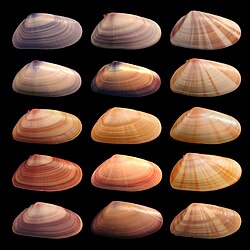
In the study of biology, the term phenotype refers to the complete set of observable characteristics or traits of an organism. Derived from the Ancient Greek words for "to appear" and "type," a phenotype encompasses everything from an organism's physical structure and morphology to its biochemical properties, physiological functions, and even its behaviors, such as a peacock's courtship display.
While we often think of traits as being fixed, phenotypes can be transitory. They represent the living manifestation of an organism's existence, spanning its developmental processes and its interactions with the world around it.
The Foundation: Genotype vs. Phenotype
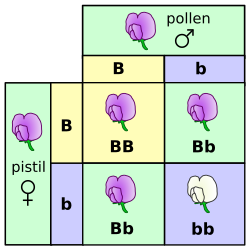
To understand how an organism looks and acts, one must distinguish between its genetic blueprint and its outward expression. In 1911, Wilhelm Johannsen proposed the distinction between the genotype—the hereditary material or unique profile of genes—and the phenotype.
An organism's phenotype is not determined by genes alone. Instead, it results from a complex interplay between the genotype and environmental factors. This relationship is often expressed by the formula: Genotype (G) + Environment (E) → Phenotype (P). However, modern biology suggests a more nuanced view, noting that the organism itself acts as a mediator in these interactions.
Gene Expression and Regulation
The bridge between a gene and a trait is gene expression. This is the process by which information from a gene is used to synthesize functional products, such as enzymes. The level of expression is critical; for instance, high levels of a specific enzyme might produce one trait, while low levels produce another. This regulation occurs at various stages, including transcriptional and post-transcriptional levels.
Phenotypic Variation and Polymorphism
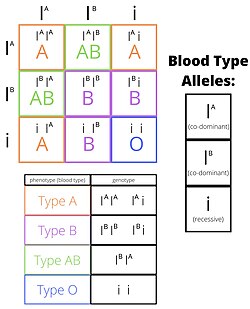
Because of the complex interaction between genes and the environment, populations often exhibit significant variation. This can manifest as polymorphism, where multiple distinct forms exist within a single species. A classic example is the coloring of Labrador Retrievers, which can appear in yellow, black, or brown due to the influence of multiple genes.
![Exploring relationships among phenotype, genotype and environment at different levels[18]](/images/ae/09/ae09c56aa882ba6071f2e003e03d77ae50ced4b8442cc9bca06409ad76624740.jpg)
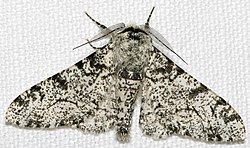
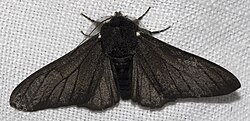
Another notable example of variation is seen in the peppered moth (*Biston betularia*). The species exhibits different forms, such as the light-colored morpha typica and the dark, melanic morpha carbonaria, illustrating how environmental pressures can drive shifts in dominant phenotypes.
The Extended Phenotype and Environmental Influence
The concept of the phenotype can extend beyond the physical body of the organism. Biologist Richard Dawkins proposed the idea of the extended phenotype, suggesting that an organism's genes can influence its environment through built structures. Examples include bird nests, beaver dams, and caddisfly larva cases.
![An organism's phenotype is determined by the sum of its genetic material along with the influence of its environment. This is mediated by a range of biological mechanisms: either the direct activities of gene products or their downstream effects.[25]](/images/71/03/71035e6f85622cde66540244de1e43c12df912804fe3743c456a714da868f7f4.webp)
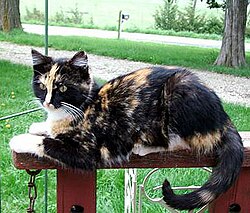
Even within a single organism, environmental and genetic factors can create unique patterns. For example, the patchy colors of a tortoiseshell cat result from varying levels of pigmentation gene expression across different areas of the skin.
Phenomics: The Study of the Phenome
While a phenotype describes an individual's traits, the phenome refers to the entire set of all traits expressed by a cell, tissue, organ, or species. The study of these collections of traits is known as phenomics. Phenomics is a vital field, particularly in the Human Genome Project, as it helps researchers identify which genomic variants affect specific phenotypes, aiding our understanding of health, disease, and evolutionary fitness.
| Term | Definition | Focus Area |
|---|---|---|
| Genotype | The complete set of genetic material (DNA) of an organism. | Heredity/Blueprint |
| Phenotype | The observable physical or behavioral characteristics. | Manifestation/Traits |
| Phenome | The sum total of all expressed traits in a system. | Total Trait Set |
| Phenomics | The large-scale study of phenotypes and their relationships. | Data/Systems Analysis |
Key Facts
- Phenotype includes morphology, physiology, biochemistry, and behavior.
- The phenotype is shaped by the interaction of the genotype and the environment.
- Gene expression levels directly influence how traits are manifested.
- The extended phenotype includes structures built by organisms, like dams or nests.
- Phenomics is used to link genomic variants to health and disease.
Frequently Asked Questions
What is the difference between a genotype and a phenotype?
A genotype is the internal genetic code or set of genes an organism carries, while a phenotype is the actual physical or behavioral expression of those genes as influenced by the environment.
Can an organism's phenotype change over time?
Yes. Phenotypes can be transitory and are influenced by developmental processes and environmental changes, meaning they are not always permanent or static.
What is a phenome?
A phenome is the complete set of all traits expressed by a biological entity, such as a cell, an organ, or an entire species.
How does the environment affect phenotype?
Environmental factors can influence how genes are expressed. For example, temperature can affect the thermal stability of certain genetic sequences, or environmental pressures can favor certain physical traits in a population.
What is the extended phenotype?
The extended phenotype is a concept suggesting that an organism's genes can affect things outside its own body, such as the structures it builds (like a beaver dam) or its impact on its surroundings.