Genetic Chimerism: The Science of Organisms with Multiple Genotypes
In the realm of genetics, most organisms are thought of as having a single, uniform genetic blueprint. However, nature occasionally produces a fascinating exception: the chimera. A genetic chimera is a single organism composed of cells from two or more different genotypes. While the term may sound like something from mythology, chimerism is a documented biological phenomenon occurring in humans, animals, and plants.
It is important to distinguish a chimera from a hybrid. In a hybrid, every single cell contains genetic material from two different parents (such as different breeds or species). In contrast, a chimera is a biological mosaic where different groups of cells possess entirely different genetic identities.

Key Facts
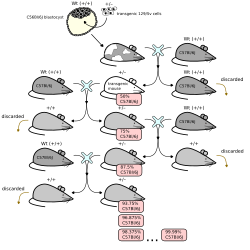
- Definition: An organism containing cells from two or more distinct zygotes (fertilized eggs).
- Chimera vs. Mosaic: Chimeras derive from multiple zygotes; mosaics derive from a single zygote that underwent mutation during cell division.
- Human Prevalence: While rare, 20% to 30% of singleton pregnancies may have originally begun as multiple pregnancies.
- Plant Applications: Chimerism is frequently used in agronomy to create plants with unique tissue patterns or colors.
- Research: Scientists have created chimeric embryos and animals to study stem cell mobilization and development.
Types of Chimerism
Natural Chimerism in Humans
Human chimerism often occurs invisibly, sometimes only discovered during parentage testing. One common form is tetragametic chimerism, which happens when two separate embryos fuse early in development, resulting in one individual with two sets of DNA.
Another form is microchimerism, where a small number of cells from one individual live within another. This is often seen in the relationship between a fetus and a mother. Additionally, germline chimerism occurs when the cells that produce gametes (sperm or eggs) have a different genotype than the rest of the body.
Chimerism in Plants
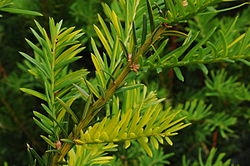
In botany, a chimera is a plant whose tissues consist of two or more genetically different cell types. These can arise from bud mutations or, more rarely, at the point of grafting (known as a graft hybrid), where cells from two different plants merge.
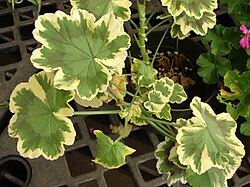
Plant chimeras are categorized by their structure and the type of genetic difference, such as chromosomal, nuclear gene-differential, or plastid gene-differential chimeras.

Chimerism in Animals and Other Species
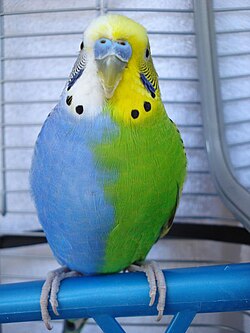
Chimerism appears across the animal kingdom, from marine sponges to obligate chimerism in male yellow crazy ants. In birds, such as the budgerigar, chimerism can manifest as distinct physical traits.
Artificial Chimerism and Scientific Research
![Boiling Springs Lake, California, is where the first natural chimeric virus was found in 2012.[47]](/images/1c/ea/1ceab46830769e7f362a336cd27e3137164edb86295d0bf46692d25fceeb76ac.jpg)
Researchers use artificial chimerism to advance medical science. In 2003, scientists at Shanghai Second Medical University fused human skin cells with rabbit ova to create chimeric embryos for stem cell harvesting. In 2007, the University of Nevada School of Medicine produced a sheep with blood containing 15% human cells.
More recently, in 2023, a study reported the first live birth of a chimeric monkey using embryonic stem cell lines. In this case, up to 92% of cells across 26 tested tissues were descendants of the donor stem cells, a significant increase over previous experiments.
Summary of Genetic Variations
| Term | Origin | Genetic Composition |
|---|---|---|
| Chimera | Fusion of two or more zygotes | Distinct cell lines with different genotypes |
| Mosaic | Mutation in a single zygote | Different cell lines derived from one genotype |
| Hybrid | Cross-breeding of two parents | Every cell contains DNA from both parents |
Frequently Asked Questions
What is the difference between a chimera and a mosaic?
A chimera is formed from the fusion of two or more distinct zygotes, meaning the organism starts with different sets of DNA. A mosaic originates from a single zygote, but a mutation occurs during cell division, creating different genetic lines within the same individual.
Can a human be a chimera without knowing it?
Yes. Genetic chimerism is often not visible to the naked eye and is frequently only detected during medical screenings or DNA parentage tests.
How does chimerism occur in plants?
Plant chimeras typically result from bud mutations or the fusion of cells at a grafting point. This can lead to plants with variegated leaves or multi-colored flowers.
Why do scientists create chimeric animals?
Artificial chimeras are used as models to study mammalian development, evaluate the potential of hematopoietic grafts, and explore the mobilization of human stem cells.
Is a graft hybrid a true genetic hybrid?
No. While called a "graft hybrid" in agronomy, it is not a hybrid in the genetic sense because the cells of the two different plants coexist rather than merging their genetic material into every cell.