Petrochemicals: The Building Blocks of Modern Materials
Petrochemicals are chemical products derived from petroleum through the process of refining. While crude oil is the primary source, these essential compounds can also be obtained from other fossil fuels, such as natural gas and coal, or from renewable biological sources including sugar cane, palm fruit, and maize.
These substances serve as the fundamental building blocks for a vast array of everyday products. From the plastics in our electronics to the detergents in our homes and the synthetic fibers in our clothing, petrochemicals are indispensable to modern industrial manufacturing.
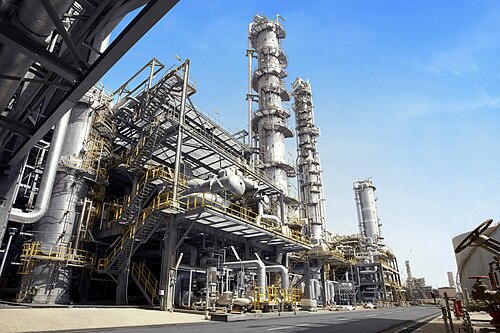
Key Facts
- Primary Classes: The two most common petrochemical classes are olefins and aromatics.
- Global Scale: In 2019, global production reached 190 million tonnes of ethylene and 120 million tonnes of propylene.
- Production Hubs: While the US and Western Europe remain leaders, significant growth is occurring in Asia and the Middle East.
- Integrated Manufacturing: Plants are often clustered to share infrastructure and utilities, a practice known as industrial symbiosis.
How Petrochemicals Are Produced
The production of petrochemicals involves complex chemical engineering processes that break down heavy hydrocarbons into smaller, more useful molecules. The method used depends on the desired end product.
Olefins Production
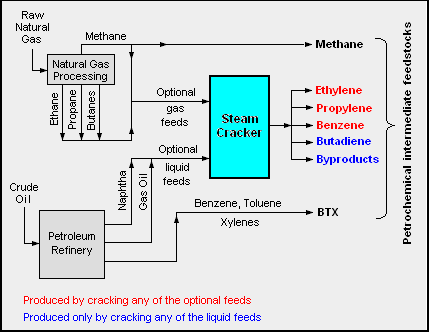
Olefins, such as ethylene and propylene, are produced via two main methods. Oil refineries use fluid catalytic cracking of petroleum fractions. Alternatively, chemical plants utilize steam cracking, which processes natural gas liquids like propane and ethane.
Aromatics Production
Aromatics, including benzene, toluene, and xylene, are primarily produced through the catalytic reforming of naphtha. They can also be created through the aromatization of alkanes.
Synthesis Gas
Another critical output is synthesis gas (syngas), a mixture of hydrogen and carbon monoxide. This is used to produce methanol—a versatile solvent and chemical intermediate—and ammonia, which is the primary component of urea fertilizers.
Primary Petrochemical Groups and Their Derivatives
Petrochemicals are categorized into three main groups based on their chemical structure.
1. Olefins
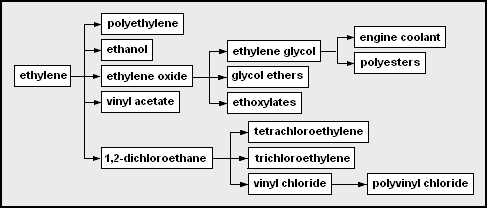
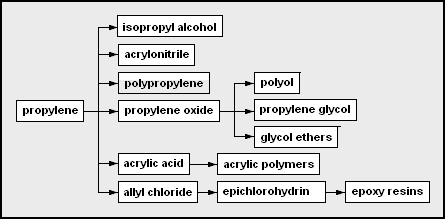
Olefins include ethene (ethylene), propene (propylene), butenes, and butadiene. These are the primary precursors for polymers and oligomers used in resins, elastomers, and plastics.
- Ethylene: Used to create polyethylene (LDPE, HDPE), ethylene glycol for engine coolants, and vinyl chloride for PVC piping.
- Propylene: The basis for polypropylene, isopropyl alcohol (rubbing alcohol), and acrylic acid.
- Butadiene: Essential for the production of synthetic rubbers used in car tires.
2. Aromatics (BTX)
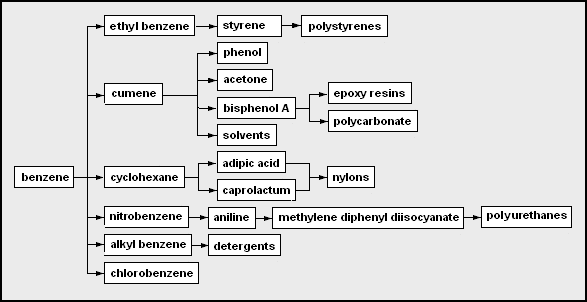
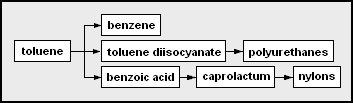
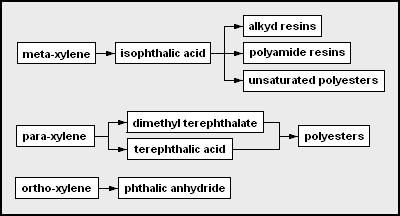
The BTX group consists of benzene, toluene, and xylenes. These are extracted from the reformate produced during catalytic reforming.
- Benzene: A raw material for synthetic detergents, dyes, and styrene (used in polystyrenes).
- Toluene: Used as a solvent and in the production of isocyanates (TDI) for polyurethanes.
- Xylenes: Used to manufacture synthetic fibers and plastics, including polyethylene terephthalate (PET) bottles.
3. Synthesis Gas and Others
This group focuses on carbon-based gases and their derivatives, such as methanol and formaldehyde, as well as alkanes like methane, ethane, propane, and butane obtained from natural gas processing.
| Class | Key Examples | Common End Products |
|---|---|---|
| Olefins | Ethylene, Propylene | Plastics (PE, PP), PVC, Synthetic Rubber |
| Aromatics | Benzene, Toluene, Xylene | Polystyrene, Nylon, PET Bottles, Detergents |
| Syngas | CO, Hydrogen | Methanol, Ammonia, Urea Fertilizer |
Industrial Infrastructure and Integration
Unlike specialty chemicals produced in small batches, petrochemicals are commodity chemicals manufactured on a massive scale. To maximize efficiency, companies use integrated manufacturing. This involves placing related plants adjacent to one another to share pipelines, power stations, storage tanks, and port facilities.
Major global clusters include Jubail and Yanbu in Saudi Arabia, the Gulf Coast (Texas and Louisiana) in the US, and the Northeast of England Process Industry Cluster (NEPIC) in Teesside, which produces roughly 50% of the UK's petrochemicals.
A Brief History of Innovation
The field of petrochemicals evolved through a series of accidental discoveries and intentional inventions:
- 1835-1839: Early discoveries of polyvinyl chloride (Regnault) and polystyrene (Simon).
- 1909: Leo Hendrik Baekeland invented Bakelite, the first synthetic plastic.
- 1920: Union Carbide established the world's first dedicated petrochemical plant in West Virginia.
- 1930s-1940s: A golden age of invention including polyethylene (1935), nylon (1937), polyurethane (1938), and Teflon (1941).
- 1965: Stephanie Kwolek invented Kevlar, a high-strength synthetic fiber.
Frequently Asked Questions
What is the difference between olefins and aromatics?
Olefins are unsaturated hydrocarbons (like ethylene) primarily used to create plastics and rubbers. Aromatics are ring-structured hydrocarbons (like benzene) used for solvents, synthetic fibers, and specialized resins.
What is steam cracking?
Steam cracking is a process used in chemical plants to produce olefins by heating natural gas liquids, such as ethane and propane, in the presence of steam.
What are BTX fractions?
BTX refers to the three most economically important aromatic hydrocarbons: Benzene, Toluene, and Xylenes.
Why are petrochemical plants often clustered together?
Clustering allows for industrial symbiosis, where plants share expensive infrastructure like ports and power grids, and can use the byproduct of one plant as the feedstock for another, increasing overall efficiency.
Can petrochemicals be made from non-petroleum sources?
Yes. While petroleum is the primary source, some chemical compounds can be derived from coal, natural gas, or renewable biomass such as maize and sugar cane.