The Hidden World of Rhizomes: Nature's Underground Network
While we often focus on the vibrant flowers and lush leaves of a plant, much of the most important biological activity happens beneath the surface. One of the most fascinating structures in the plant kingdom is the rhizome. Often referred to as creeping rootstalks or simply rootstalks, these modified subterranean stems play a critical role in a plant's survival, growth, and reproduction.
A rhizome is a modified stem that grows horizontally, typically just below the soil surface. Unlike roots, rhizomes possess nodes (the points on a stem where leaves or shoots emerge) and internodes (the segments of stem between those nodes). They also contain axillary buds, which allow the plant to send new shoots upward toward the sunlight. This unique structure allows the plant to navigate the soil and expand its reach.
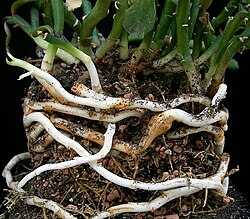
Understanding Plant Anatomy: Rhizomes, Stolons, and Roots
It is common to confuse rhizomes with other underground structures, but their anatomical differences are distinct. While a rhizome is a horizontal stem, a stolon (often called a "runner") is a similar structure that sprouts from an existing stem. Stolons typically have much longer internodes and are used to generate new shoots at their ends, a method famously used by strawberry plants to spread.
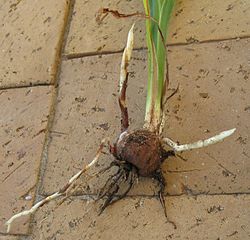
Furthermore, rhizomes are fundamentally different from true roots. While both grow underground, roots lack nodes and internodes and are terminated by a root cap. Instead, rhizomes act as the primary horizontal stem, sending roots out from the bottom of their nodes and new upward-growing shoots from the top of their nodes.
The Vital Functions of Rhizomes
Nutrient Storage and Survival
One of the primary purposes of a rhizome is to serve as a storage organ. The plant uses these structures to stockpile essential nutrients, including starches and proteins. This stored energy is vital for the plant's survival, providing the necessary fuel to form new shoots in the spring or to sustain the plant when it dies back during the winter months.
Vegetative Reproduction
Rhizomes are a powerful tool for vegetative reproduction—a process where new plants grow from parts of the parent plant rather than from seeds. If a rhizome is separated into pieces, each segment has the potential to develop into a completely new, independent plant. This ability allows plants like bamboo and various bunch grasses to spread laterally across a landscape. Farmers and gardeners frequently use this method to propagate plants such as asparagus, ginger, irises, and hops.
Cultivation, Science, and Challenges
Growing rhizomes is not without its difficulties. Because they are stored underground, they are highly susceptible to bacterial and fungal infections, which can destroy stocks and make them unsuitable for replanting. To combat this, scientists use tissue culture—a method of growing plant cells or tissues in a controlled, artificial environment—to produce healthy, high-quality rhizomes.
Research has also highlighted the role of plant hormones in managing these structures. Specifically, the hormones ethylene and jasmonic acid have been found to help induce and regulate rhizome growth, particularly in plants like rhubarb. By manipulating ethylene concentrations, biologists and farmers may eventually be able to more easily cultivate better, more productive plants.
Common Examples and Culinary Uses
Rhizomes are not always hidden deep underground; some species, such as certain ferns and Iris species, have rhizomes that grow at the soil surface or even above ground. In the culinary world, many rhizomes are highly valued for their flavor and nutritional content. Some, like zhe'ergen, can even be eaten raw.

Commonly used culinary rhizomes include ginger, turmeric, galangal, fingerroot, lotus, and wasabi.
| Feature | Rhizome | Stolon (Runner) | Root |
|---|---|---|---|
| Growth Direction | Horizontal (usually underground) | Sprouting from existing stems | Downward |
| Nodes & Internodes | Present | Present (long internodes) | Absent |
| Primary Function | Storage and spreading | Spreading and new shoots | Absorption |
Key Facts
- Rhizomes are modified subterranean stems that grow horizontally.
- They possess nodes, internodes, and axillary buds, distinguishing them from roots.
- They serve as storage organs for starches, proteins, and other nutrients.
- Rhizomes enable vegetative reproduction, allowing a single plant to spread.
- Hormones like ethylene and jasmonic acid can regulate rhizome growth.
- Many edible spices, such as ginger and turmeric, are actually rhizomes.
Frequently Asked Questions
What is the main difference between a rhizome and a root?
The primary difference is that a rhizome is a modified stem containing nodes and internodes, whereas a root does not have these structures and is terminated by a root cap.
How do plants use rhizomes to reproduce?
Through vegetative reproduction, a plant can grow new individuals from separated pieces of a rhizome, each piece acting as a new starting point for a plant.
Can all rhizomes grow underground?
No. While most are subterranean, some plants, such as certain ferns and Iris species, have rhizomes that grow at the soil surface or above ground.
What is a stem tuber?
A stem tuber is a thickened part of a rhizome or stolon that has been enlarged specifically to act as a storage organ, often containing high amounts of starch, such as in a potato.
How can farmers improve rhizome yields?
Farmers can use tissue culture to produce disease-free stocks and may use plant hormones like ethylene to help induce and regulate growth.