Understanding Pet Adoption: A Guide to Rescuing Animals in Need
Choosing to bring a new pet into your life is a significant decision. While many people look to breeders or pet stores, pet adoption offers a meaningful alternative by providing homes to animals that have been abandoned, lost, or rehomed. Whether through animal shelters, rescue groups, or private owners, adoption helps reduce the number of animals in need of care and provides a second chance at life for countless pets.
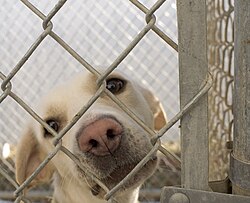
The Reality of Animal Shelters
Animals enter shelters for a wide variety of reasons. Often, the cause is related to the owner's circumstances rather than the animal itself. Common reasons for relinquishing a pet include moving to a new home, landlord restrictions, financial difficulties, personal health issues, or changes in family dynamics such as the birth of a baby or a divorce. Behavioral issues, such as hyperactivity or disobedience, can also lead to animals being surrendered.
Because shelters often face limited space, some organizations must use euthanasia (a painless end to life) to manage excess populations. The Humane Society of the United States estimates that 2.4 million healthy, adoptable cats and dogs are euthanized annually in the U.S. due to a lack of available homes. To combat this, many advocates promote adoption over purchasing and encourage spaying or neutering (surgical procedures to prevent reproduction) to help control the pet population.
No-Kill Shelters and Fostering
In response to these challenges, many "no-kill" shelters and rescue groups operate using foster care. In a foster model, volunteers or individuals provide temporary homes for animals until a permanent "forever home" is found. While these groups aim to save every animal, they often have a finite number of spaces and may only accept new animals when a spot opens up.

The Adoption Process and Responsibility
Adopting a pet involves more than just bringing an animal home; it is a long-term commitment. The American Veterinary Medical Association (AVMA) emphasizes that pet ownership is a privilege that requires providing food, shelter, exercise, mental stimulation, and veterinary care. It is essential that an owner's lifestyle is compatible with the needs of the chosen pet.
The process typically involves several steps:
- Application: Prospective owners fill out forms to ensure a good match.
- Fees: Adoption fees are often required to cover costs such as vaccinations, spaying/neutering, microchipping (an implanted device to help locate lost pets), and food for animals remaining in the shelter.
- Ownership Models: Some organizations grant full ownership, while others use a guardianship model, where the organization retains some control over the animal's future care.
- The "Forever Home" Commitment: Adopters agree to be responsible for the animal for the rest of its life. Many shelters require that if an owner can no longer care for a pet, it must be returned to the shelter.
Focus on Dog Adoption
Dogs are among the most common animals in shelters. According to the ASPCA, approximately 3.3 million dogs enter U.S. shelters each year. While many are quickly rehomed, others—particularly older dogs—may face longer waits for adoption. Many charities exist specifically to support the rescue and rehoming of senior dogs.
Factors Influencing Adoption Success
Several factors influence how quickly a dog is adopted. While breed, age, and size are primary drivers, temperament plays a massive role. Adopters generally prefer dogs that are calm, friendly, and playful. To improve welfare and adoption rates, some shelters implement social enrichment, such as group housing or play groups, which can reduce repetitive or problematic behaviors like pacing and aggression.
The "Big Black Dog Syndrome" Debate
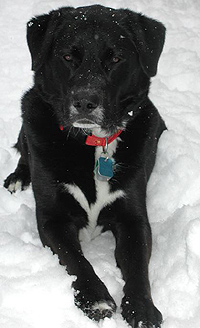
There is a long-standing discussion regarding "Black Dog Syndrome" (BDS), the idea that large black dogs are less likely to be adopted due to physical appearance or cultural symbolism. While some anecdotal evidence and older studies suggested black dogs face higher euthanasia rates, more recent research presents a complex picture. Some studies suggest that color may not be the deciding factor, pointing instead to breed, size, or purebred status as more significant influences on an animal's length of stay.

Key Facts
- Euthanasia Impact: An estimated 2.4 million healthy, adoptable cats and dogs are euthanized annually in the U.S. due to lack of homes.
- Shelter Intake: In the first half of 2025, 2.8 million dogs and cats entered U.S. shelters.
- Adoption Rates: The U.S. adoption rate rose from 56% in 2019 to 61% in 2023.
- Relinquishment Causes: Common reasons for surrendering pets include moving, landlord restrictions, and financial issues.
- Responsible Ownership: Spaying and neutering are key methods used by rescues to control pet populations.
Adoption Statistics Summary
| Metric/Year | Dogs/Cats Entered Shelters | Total Adoptions |
|---|---|---|
| 2023 Totals | — | 4.8 million |
| 2024 Totals | ~5.8 million | ~4 million |
| First Half of 2025 | 2.8 million | 1.9 million |
Frequently Asked Questions
What is the difference between a shelter and a rescue group?
While both aim to help animals, shelters are often municipal or large-scale facilities, whereas rescue groups are frequently run by volunteers and may use foster homes to house animals rather than a central facility.
Why do adoption fees exist?
Adoption fees help cover the costs of medical treatments, vaccinations, spaying/neutering, and microchipping. They also provide essential funds for food and care for the other animals remaining in the shelter.
What is a "forever home"?
A "forever home" refers to a permanent residence where an adopter commits to being responsible for the animal for the remainder of its natural life.
Can I return a pet if it doesn't work out?
Many animal shelters have policies requiring that if an owner can no longer care for an adopted animal, the pet must be returned to the shelter rather than being rehomed privately.
How can I prepare for the responsibility of a pet?
The AVMA recommends considering your lifestyle, ensuring you can provide necessary medical care, exercise, and mental stimulation, and checking if the pet's needs align with your daily routine.