Pesticides: Applications, Environmental Impacts, and Global Regulation
Pesticides are specialized substances designed to control pests—organisms that damage property, spread disease, or cause significant nuisance. These agents can be chemical or biological, such as viruses, bacteria, or fungi, and are used to deter, incapacitate, or kill target organisms. While most commonly recognized as plant protection products used to safeguard crops from weeds, fungi, and insects, their application extends far beyond the farm to protect human health and infrastructure.
Among the various types, herbicides are the most prevalent, accounting for approximately 50% of global pesticide use. By managing pests, these substances play a critical role in increasing agricultural productivity and ensuring food security.
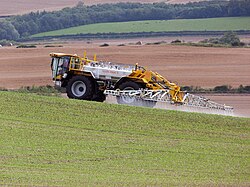
Key Facts
- Agricultural Impact: Pesticide use can increase median crop yields by 12% to 27%.
- Global Dominance: Herbicides make up about half of all pesticide applications worldwide.
- Economic Burden: In the US, the total annual cost of pesticide-related harm is estimated at $9.6 billion.
- Household Use: As of 2012, roughly 88 million out of 121.1 million US households used some form of pesticide.
- Regulatory Framework: The FAO's International Code of Conduct provides voluntary standards for global pesticide distribution and use.
Types of Pesticides and Their Targets
Pesticides are categorized based on the specific group of pests they are designed to target. This specialization ensures that the agent effectively neutralizes the threat while minimizing unnecessary impact on non-target species.
| Pesticide Type | Target Pest Group |
|---|---|
| Algicides / Algaecides | Algae |
| Avicides | Birds |
| Bactericides | Bacteria |
| Fungicides | Fungi and oomycetes |
| Herbicides | Plants (Weeds) |
| Insecticides | Insects |
| Molluscicides | Snails and slugs |
| Nematicides | Nematodes (Roundworms) |
| Rodenticides | Rodents |
| Virucides | Viruses |
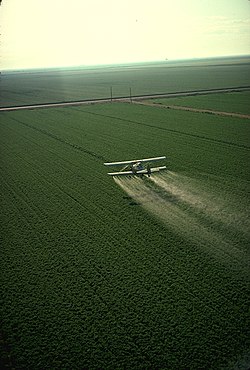
Specialized Agents and Biopesticides
Beyond basic categories, there are highly specialized agents such as lampricides for lampreys and acaricides for mites. Additionally, biopesticides—derived from natural materials like plants, animals, bacteria, and minerals—offer an alternative to synthetic chemicals. Other advanced methods include pheromones, which disrupt insect mating behavior, and gene drives for population control.
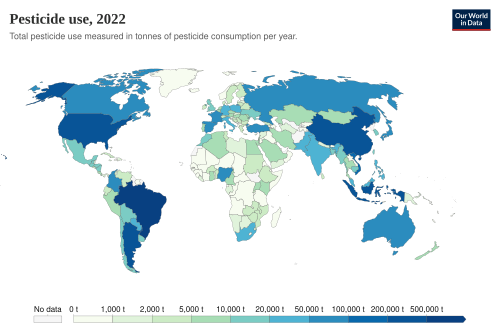
![Pesticide use worldwide, by country in 2023[26]](/images/f1/a8/f1a8974396d6ac218fbcc13e874eaaef1116a76d1a3244ecc4d0ea5b41e8e65a.webp)
The Benefits of Pesticide Use
The primary driver for pesticide application is the significant increase in agricultural yields. Research indicates that omitting pesticides can reduce crop yields by approximately 10%. A 1999 study suggested that a total ban on pesticides in the United States could lead to higher food prices, job losses, and an increase in global hunger.
Beyond the economy, pesticides provide several critical biological and structural benefits:
- Public Health: Controlling disease vectors (such as mosquitoes) saves human and livestock lives.
- Environmental Management: Controlling invasive species and protecting wooden structures from decay.
- Safety: Removing brush and leaf hazards to keep drivers' views unobstructed on roads.
Drawbacks and Environmental Costs
Despite their utility, pesticides carry significant risks. Toxicity to humans and non-target species is a primary concern. In the United States, the economic impact of these drawbacks is substantial, totaling nearly $10 billion annually.
Economic Costs of Pesticide Harm (Annual US Estimates)
- Bird losses: $2.2 billion
- Groundwater contamination: $2.0 billion
- Pesticide resistance in pests: $1.5 billion
- Crop losses caused by pesticides: $1.4 billion
- Other costs: $1.4 billion
- Public health: $1.1 billion
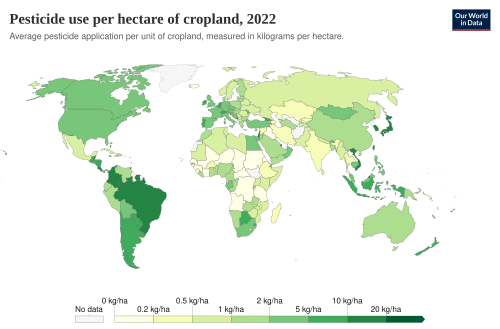
![Pesticide use by region[35]](/images/cc/36/cc36156bf377cba3f973d6c34ef2902ac34a70945e2e362b7bb211f8aaef052c.webp)
Health and Safety Concerns
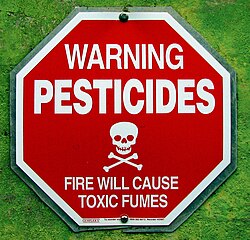
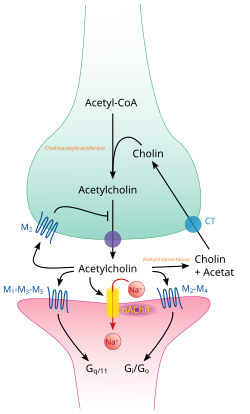
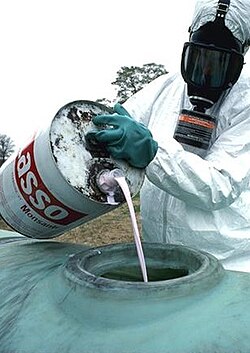
Exposure can occur through occupational handling or residues in food. The American Academy of Pediatrics emphasizes the need to limit children's exposure to these chemicals. In some cases, pesticides can interfere with the cholinergic synapse, affecting how acetylcholine is broken down by acetylcholinesterase, which can lead to poisoning.
Regulation and Alternatives
Because pesticides are traded internationally, consistent regulation is vital. In 1985, the Food and Agriculture Organization (FAO) adopted the International Code of Conduct on the Distribution and Use of Pesticides to establish voluntary global standards. This code has been updated in 1998 and 2002 to increase awareness of hazards and reduce unrestricted use.
Sustainable Alternatives
To mitigate risks and combat pesticide resistance (where pests evolve to survive chemical exposure), several alternatives are employed:
- Cultivation Practices: Rotating crops and improving soil health.
- Biological Control: Using other organisms to prey on pests.
- Push-Pull Strategy: A method of using repellent plants to "push" pests away and attractant plants to "pull" them into a trap.
Frequently Asked Questions
What is the most commonly used type of pesticide?
Herbicides are the most common, accounting for approximately 50% of all pesticide use globally.
How do pesticides affect crop yields?
Pesticides generally increase agricultural yields, with median increases ranging between 12% and 27% depending on the specific crop.
What are biopesticides?
Biopesticides are pesticides derived from natural materials, including plants, animals, bacteria, and certain minerals.
What is the economic cost of pesticide use in the US?
The total annual cost associated with pesticide harm in the US is estimated at $9.6 billion, with the highest costs stemming from bird losses and groundwater contamination.
How is pesticide use regulated internationally?
The FAO's International Code of Conduct on the Distribution and Use of Pesticides provides voluntary standards to help countries regulate pesticides and reduce hazards.