Pequot History: From Coastal Dominance to Modern Sovereignty
The story of the Pequot people is one of resilience, spanning from their early dominance in southern New England to their survival through devastating conflict and their eventual modern resurgence. As an Algonquian-speaking people, the Pequot established a powerful political and economic presence in what is now Connecticut long before European arrival.
Etymology and Origins
The meaning of the word "Pequot" remains a subject of debate among linguistic experts. Some scholars suggest it derives from Pequttôog, meaning "the destroyers" or "the men of the swamp." However, early 20th-century specialist Frank Speck proposed that the name more likely refers to "the shallowness of a body of water," reflecting the tribe's territory along the coast of Long Island Sound.
For years, historians relied on accounts like those of Rev. William Hubbard, who claimed in 1677 that the Pequot were "foreigners" from the interior of the continent who invaded the Connecticut River Valley. Modern evidence tells a different story. Archaeological, linguistic, and documentary data now prove that the Pequot were indigenous to the region for thousands of years.
By the time the Plymouth and Massachusetts Bay colonies were founded, the Pequot had achieved military and economic dominance in central and eastern Connecticut, occupying the coastal region between the Narragansett in Rhode Island and the Niantic tribe.
The Path to Conflict
At their peak, the Pequot population reached approximately 16,000 people in the densely populated areas of southern New England. While a smallpox epidemic between 1616 and 1619 spared them, a subsequent epidemic in 1633 was catastrophic, killing an estimated 80 percent of their population.
Tensions with European settlers grew as trade and political disputes escalated. In 1633, the Dutch established the "House of Good Hope" trading post in Hartford. Conflict arose when the Dutch executed the principal sachem (chief), Tatobem, for violating an agreement. Although the Pequot eventually recovered Tatobem's body after paying a large ransom, the leadership passed to his successor, Sassacus.
The Pequot War
The spark for open warfare occurred in 1636 when members of the Pequot tribe killed John Oldham, a resident of the Connecticut Colony. This event triggered the Pequot War, during which the Mohegan and Narragansett tribes allied with the English colonists against the Pequot.
The conflict was brutal. Approximately 1,500 Pequot warriors were killed in battle or hunted down. Many survivors were captured and distributed as household servants or slaves, with some being sold in Bermuda. Others escaped to join the Mohawk or the Niantic tribe on Long Island.
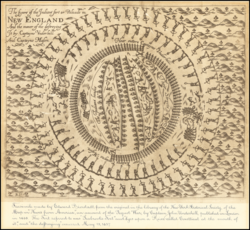
Following the war, the remaining Pequot were scattered. In 1683, the Connecticut colony established two reservations: the Eastern Pequot Reservation in North Stonington and the Western Pequots (Mashantucket Pequot Reservation) in Ledyard.
Survival and the 19th Century
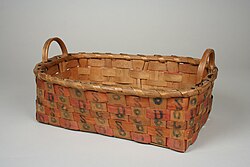
Despite the violence of the 17th century, the Pequot did not disappear. However, the perception of their extinction was so widespread that during the War of 1812, the Shawnee chief Tecumseh cited the destruction of the Pequot as a reason to call for arms against the United States.
Modern Resurgence and Legal Battles
The Pequot population hit a critical low several decades after the 1910 census, which recorded only 66 members. However, the 1970s and 1980s marked a period of significant growth and political activism, led largely by Mashantucket Pequot tribal chairman Richard A. Hayward.
In 1976, the Pequots, supported by the Native American Rights Fund (NARF) and the Indian Rights Association, sued to recover land in North Stonington that they claimed had been illegally sold by the State of Connecticut in 1856. This legal battle culminated in the "Mashantucket Pequot Indian Land Claims Settlement Act," signed by President Ronald Reagan on October 18, 1983.
This act granted federal recognition to the Mashantucket Pequot tribe, allowing them to place land in trust with the Bureau of Indian Affairs (BIA). This economic foundation led to the opening of a bingo operation in 1986 and the Foxwoods Resort Casino in 1992. The revenue from these ventures funded a cultural museum, which opened on August 11, 1998.
The Eastern Pequot Tribal Nation
The Eastern Pequot Tribal Nation received recognition in 2002 after two groups united to petition the BIA, overcoming internal tensions regarding racial identity. However, this recognition was short-lived. Due to opposition from the Connecticut state government and Congressional delegation—driven by concerns over potential gaming casinos—the Department of the Interior revoked their recognition in 2005.
Key Facts
- Indigenous Roots: Contrary to early colonial claims, the Pequot were indigenous to the Connecticut River Valley for thousands of years.
- Population Collapse: A 1633 epidemic killed roughly 80% of the Pequot population, reducing their numbers to about 3,000 before the Pequot War.
- The Pequot War: Triggered by the death of John Oldham in 1636, resulting in the deaths of 1,500 warriors and the enslavement of many others.
- Federal Recognition: The Mashantucket Pequots gained federal recognition via a 1983 Act signed by President Ronald Reagan.
- Economic Recovery: The opening of Foxwoods Resort Casino in 1992 provided the funds for tribal development and a cultural museum.
| Period/Event | Key Detail | Outcome |
|---|---|---|
| Pre-Colonial | Coastal dominance in CT | Political and economic power |
| 1633 Epidemic | 80% population loss | Population dropped to ~3,000 |
| Pequot War (1636) | Conflict with English/Allies | Mass casualties and enslavement |
| 1983 Settlement Act | Federal recognition | Land trust and economic growth |
| 2002-2005 | Eastern Pequot recognition | Recognition revoked in 2005 |
Frequently Asked Questions
What does the name "Pequot" mean?
The meaning is disputed; some scholars believe it means "the destroyers" or "the men of the swamp," while others suggest it refers to "the shallowness of a body of water."
Were the Pequot invaders in Connecticut?
No. While early colonial historians claimed they migrated from the interior, archaeological and linguistic evidence proves they were indigenous to the Connecticut River Valley for thousands of years.
What caused the Pequot War?
The war erupted in 1636 after members of the Pequot tribe killed John Oldham, a resident of the Connecticut Colony.
How did the Mashantucket Pequots achieve economic success?
Following federal recognition in 1983, the tribe opened a bingo operation in 1986 and the Foxwoods Resort Casino in 1992, using the revenue for tribal development and a cultural museum.
Why was the Eastern Pequot Tribal Nation's recognition revoked?
Their recognition was revoked in 2005 after the Connecticut state government and Congressional delegation opposed it, primarily due to fears that the tribe would establish gaming casinos.