Pehuenche People: Guardians of the Monkey-Puzzle Tree
The Pehuenche (also known as Pewenche) are an Indigenous people of South America whose identity and survival are deeply intertwined with the rugged landscapes of the Andes. Primarily residing in south-central Chile and adjacent regions of Argentina, they are defined by their ancestral connection to the Araucaria araucana, commonly known as the monkey-puzzle tree.
The name "Pehuenche" is derived from the Mapudungun word pewen, referring to the seeds of the monkey-puzzle tree, which serve as a cornerstone of their traditional diet and culture. Historically, they occupied the mountainous territories between approximately 34 and 40 degrees south. Over time, the Pehuenche underwent a process of Araucanization, partially merging with the broader Mapuche peoples, though they continue to maintain ancestral lands into the 21st century.
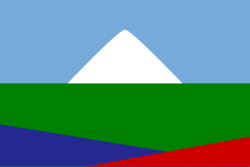
Key Facts
- Primary Food Source: Seeds of the Araucaria araucana (monkey-puzzle tree).
- Location: The Andes mountains of south-central Chile and Argentina.
- Language: Currently speak Mapudungun; may have historically spoken Huarpean.
- Cultural Affiliation: Closely linked to the Mapuche people.
- Traditional Diet: Includes gathered seeds, hunted game, and later, horse meat.
Historical Conflicts and Diplomacy
Throughout the 17th and 18th centuries, the Pehuenche were active participants in regional armed conflicts. They frequently descended from their mountain strongholds to the western lowlands of Chile to launch attacks. Notable engagements include an assault on the Spanish near the Maule River in 1657, an attack on the Mapuche in January 1767, and a strike against the Spanish at Isla del Laja in late 1769.
By the 1860s, during the Chilean invasion of Araucanía, the Pehuenche sought a path of neutrality. Their chief, Pichiñán, famously spoke against the Moluche—who favored war—arguing that the Moluche's actions involved robbery and that Chilean punishments were justified. Historian José Bengoa suggests this neutrality was possible because Pehuenche lands in the high Andes were not initially targets for colonization.
However, as Argentine and Chilean territorial advances continued, tensions escalated. In March 1881, the Pehuenche assaulted the Argentine outpost of Chos Malal, resulting in the deaths of the entire garrison of 25 to 30 soldiers.
Culture and Traditional Lifestyle
Early Spanish accounts from 1558 describe the Pehuenche as a nomadic people who did not practice agriculture. Instead, they sustained themselves through hunting in the valleys, targeting animals such as guanacos, jaguars, cougars, foxes, small deer, and various mountain cats and birds using bows and arrows. Their dwellings consisted of four poles covered with animal skins, and their clothing was primarily made from skin blankets.
Dietary Evolution
While early Spanish writers overlooked the critical importance of the pewen (monkey-puzzle seeds), these seeds were the primary food source. The Pehuenche diet expanded significantly with the arrival of feral horses of Spanish origin in the eastern foothills of the Andes. After the Spanish abandoned Buenos Aires in 1541, horse herds flourished in the humid pampa.
Initially hunted as wild game, horses eventually became domesticated for transport and meat. To ensure a stable food supply, the Pehuenche developed charqui, a method of sun-drying horse meat to create a long-lasting jerky.
Social and Linguistic Identity
In his 1787 work, Civic History of the Kingdom of Chile, Juan Ignacio Molina noted that while the Pehuenche shared similar religious and linguistic traits with other Mapuche groups, their attire was distinct. Men typically wore skirts instead of trousers, along with earrings and mantillas. Molina characterized them as industrious and laborious, despite their nomadic lifestyle.
Regarding language, the Pehuenche currently speak Mapudungun. However, linguistic evidence suggests that in the distant past, they may have spoken a distinct language, possibly Huarpean.
Pehuenche Summary Profile
| Category | Details |
|---|---|
| Region | Andes (Chile and Argentina) |
| Key Resource | Araucaria araucana (Monkey-puzzle tree) |
| Current Language | Mapudungun |
| Traditional Housing | Skin-covered four-pole structures |
| Food Preservation | Charqui (sun-dried meat) |
Frequently Asked Questions
What does the name "Pehuenche" mean?
The name comes from the Mapudungun word "pewen," referring to the seeds of the monkey-puzzle tree (Araucaria araucana), reflecting the people's historical dependence on this tree for food.
Where do the Pehuenche live?
They live in the Andes mountains, primarily located in south-central Chile and adjacent areas of Argentina.
What is charqui?
Charqui is a traditional method of preserving horse meat by sun-drying it, similar to modern jerky.
How did the Pehuenche relate to the Mapuche?
Over time, the Pehuenche became Araucanized and partially merged with the Mapuche peoples, sharing similar language and religious beliefs.
Did the Pehuenche always speak Mapudungun?
While they speak Mapudungun today, it is believed that they may have originally spoken a different, distinct language, possibly Huarpean.