Peggy Lee: The Sophisticated Voice of Jazz and Pop
Norma Deloris Egstrom, known to the world as Peggy Lee, was a powerhouse of American music whose career spanned an incredible seven decades. A versatile artist, Lee excelled as a singer, songwriter, and actress, blending jazz, pop, and swing into a sophisticated persona that captivated audiences from the 1930s through the end of the millennium.
From her early days as a local radio vocalist to her tenure with the legendary Benny Goodman big band, Lee's influence extended far beyond the recording studio. She ventured into cinema, voiced iconic Disney characters, and pushed the boundaries of the album format by combining poetry with music.
Key Facts
- Vocal Range: Contralto.
- Major Hits: "Why Don't You Do Right?" and "Mañana".
- Disney Legacy: Voiced Darling, Peg, and the Siamese cats in Lady and the Tramp.
- Accolades: 13 Grammy nominations, including a Lifetime Achievement Award (1995).
- Prolific Output: Recorded over 1,100 masters and co-wrote more than 270 songs.
Early Life and Hollywood Beginnings
Born on May 26, 1920, in North Dakota, Lee's journey to stardom began at age 17 when she left home for Hollywood, California, in March 1938. Her early years in the city were marked by humble beginnings; she worked as a short-order cook and waitress at Harry's Cafe on Balboa Island. Following the Easter season, she transitioned to a role as a carnival barker at the Balboa Fun Zone—an experience she later immortalized in the song "The Nickel Ride," co-composed with Dave Grusin.
A Legendary Recording Career
Lee's ascent in the music industry accelerated in the early 1940s. In 1942, she achieved her first top ten hit with "Somebody Else Is Taking My Place." This was followed in 1943 by the massive success of "Why Don't You Do Right?", which sold over one million copies and cemented her fame. During this period, she also performed with Benny Goodman's orchestra, appearing in the films Stage Door Canteen and The Powers Girl.
Throughout the late 1940s, Lee became a staple of Capitol Records. Collaborating with her first husband, guitarist Dave Barbour, she produced hits such as "I Don't Know Enough About You" and "It's a Good Day." Her 1947 recording of "Golden Earrings" was a major success, and "Mañana" became one of her most enduring hits, spending nine weeks at the top of the charts and earning the Billboard Top Disc Jockey Record of the Year award.
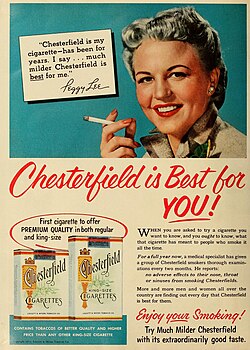
Beyond the charts, Lee was a prominent radio personality. She hosted the NBC program The Chesterfield Supper Club alongside Perry Como and Jo Stafford and was a frequent guest on shows hosted by Jimmy Durante and Bing Crosby.
Acting and Cinematic Contributions
Peggy Lee's talent extended naturally to the screen. In 1952, she starred opposite Danny Thomas in the remake of The Jazz Singer.
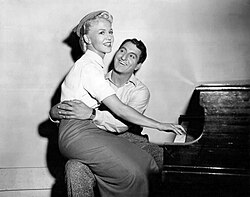
Her most critically acclaimed acting role came in 1955's Pete Kelly's Blues, where she portrayed an alcoholic blues singer. This performance earned her an Academy Award nomination for Best Supporting Actress and a Primetime Emmy nomination in 1956.
Perhaps her most enduring contribution to cinema was her work with Walt Disney. In the classic Lady and the Tramp, Lee provided the voices for several characters, including Darling, Peg, and the Siamese cats.
Legal Battles and Later Years
In the late 1980s, Lee became embroiled in a significant legal dispute with the Walt Disney Company. After being paid a $500 honorarium to promote the first VHS release of Lady and the Tramp, Lee sued Disney for breach of contract. She argued that the videotape editions constituted "transcriptions for sale to the public," which her 1952 contract prohibited without her approval.
In 1991, the court awarded Lee $2.3 million for breach of contract, along with additional payments for unjust enrichment and the unauthorized use of her voice and name. This victory was a landmark for artist rights regarding home video royalties.
Personal Life and Legacy
Lee's personal life was marked by four marriages—to Dave Barbour, Brad Dexter, Dewey Martin, and Jack Del Rio—all of which ended in divorce. She had one daughter, Nicki Lee Foster. In her later years, Lee embraced Transcendental Meditation, studying personally under the Maharishi.
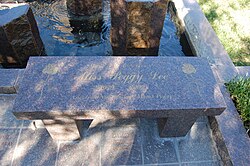
Despite facing health challenges in the 1990s that occasionally required the use of a wheelchair, she continued to perform. Peggy Lee passed away on January 21, 2002, at the age of 81, due to complications from diabetes and a heart attack.
Career Summary
| Category | Details |
|---|---|
| Active Years | 1936–2000 |
| Primary Genres | Jazz, Pop, Big Band, Swing, Blues, Latin Jazz |
| Key Labels | Capitol, Decca, Atlantic, A&M, Polydor |
| Notable Works | Lady and the Tramp, Pete Kelly's Blues, "Is That All There Is?" |
| Major Awards | Grammy for Best Contemporary Vocal Performance (1969), Grammy Lifetime Achievement Award (1995) |
Frequently Asked Questions
What was Peggy Lee's most famous Disney role?
Peggy Lee is best known for voicing multiple characters in Lady and the Tramp, including Peg, Darling, and the Siamese cats.
How many songs did Peggy Lee write?
Throughout her career, Peggy Lee co-wrote more than 270 songs and recorded over 1,100 masters.
Why did Peggy Lee sue the Walt Disney Company?
She sued Disney for breach of contract regarding the VHS release of Lady and the Tramp, arguing that the company did not have the right to sell transcriptions of her work on video without her approval and proper royalties.
What was Peggy Lee's vocal range?
Peggy Lee was a contralto, known for her sophisticated and understated singing style.
Which Grammy Award did she win for "Is That All There Is?"
In 1969, the song "Is That All There Is?" won her the Grammy Award for Best Contemporary Vocal Performance.