Pedro II: The Magnanimous Emperor of Brazil
Dom Pedro II, known to history as "the Magnanimous," served as the second and final emperor of the Empire of Brazil. His reign, spanning from 1831 to 1889, stands as the longest and most stable period in the nation's history. A man of profound intellect and curiosity, Pedro II was not merely a political figure but a dedicated patron of the arts and sciences who sought to modernize his country through education and diplomacy.
Born on December 2, 1825, at the Palace of São Cristóvão in Rio de Janeiro, Pedro II was the son of Emperor Pedro I and Maria Leopoldina of Austria. His path to power began exceptionally early; following his father's abdication, he became emperor in 1831, though he was only a child. This necessitated a period of regencies until his formal coronation on July 18, 1841, at the Imperial Chapel.
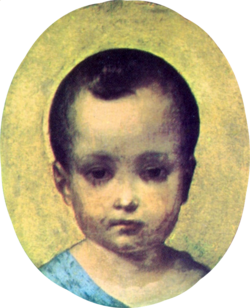
Key Facts
- Reign: April 7, 1831 – November 15, 1889.
- Dynasty: House of Braganza.
- Legacy: Presided over the most stable era of the Brazilian Empire.
- Intellectualism: A renowned advocate for education, science, and the arts.
- End of Reign: Deposed by a military coup in 1889, leading to the proclamation of the Republic.
The Rise of a Scholar-Monarch
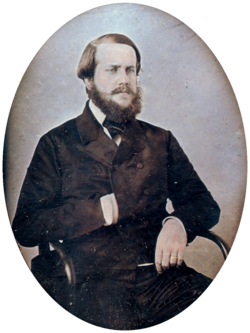
As Pedro II matured, he transitioned from a figurehead to an active ruler. By his early twenties, he had established himself as a sophisticated leader, blending courtly duty with a deep passion for knowledge. Unlike many monarchs of his time, he viewed his role as a service to the state and the intellectual advancement of his people.
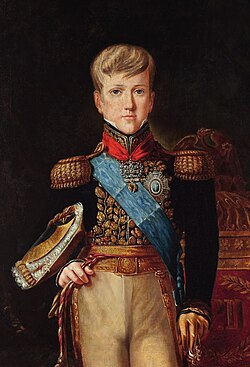
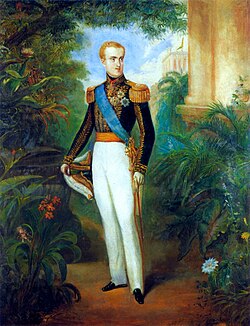
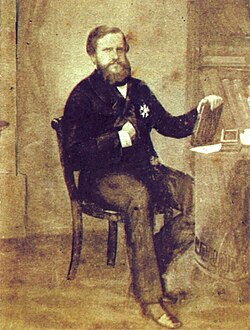
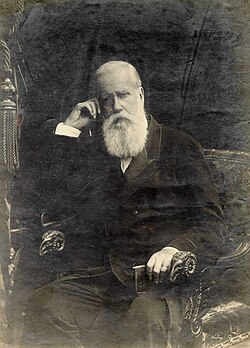
His early adulthood was marked by a commitment to the image of a "citizen emperor." This was reflected in his portraits, which increasingly featured books—a deliberate reference to his role as a champion of education.
Domestic Life and Family
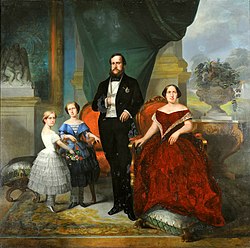
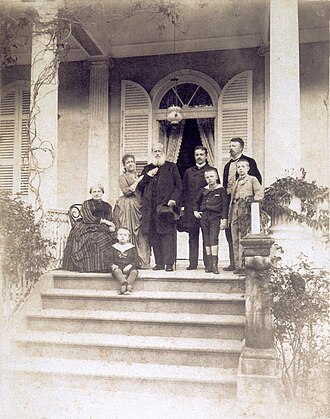
In 1843, Pedro II married Teresa Cristina of the Two Sicilies. Together, they had four children, though only two daughters, Princess Isabel and Princess Leopoldina, survived into adulthood. The imperial family represented the stability of the throne, often appearing together in official and private settings.
Challenges and Global Diplomacy
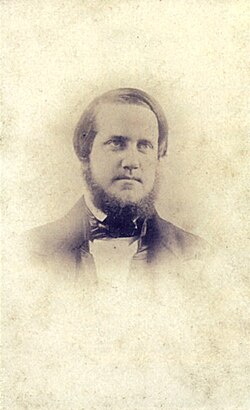
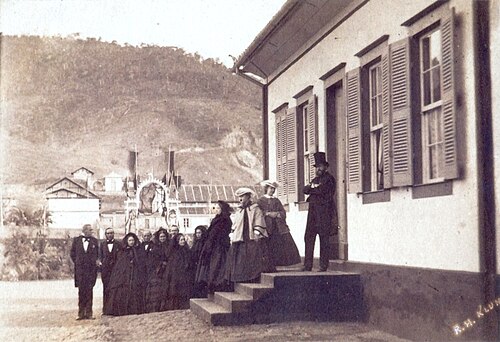
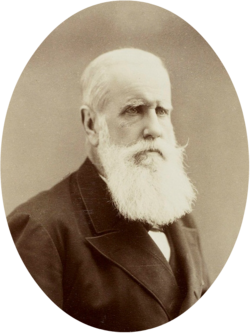
The reign of Pedro II was not without conflict. He navigated complex relations with the British Empire and faced the devastating Paraguayan War. While the conflict ended in total victory for Brazil, it came at a heavy cost in lives and resources, and the strain of the war years was visible in the Emperor's physical appearance.
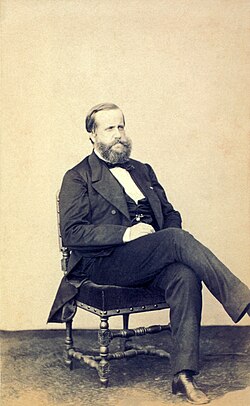
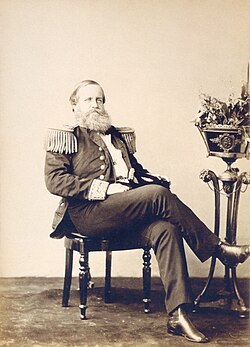
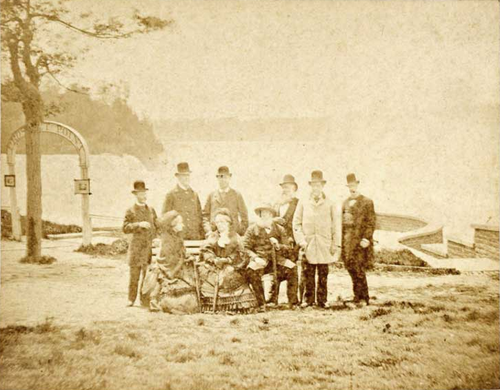
Despite these struggles, Pedro II remained a global figure. He traveled extensively to the United States, Europe, and the Middle East, visiting landmarks such as the Giza Necropolis in Egypt and Niagara Falls in North America. His travels were often driven by a desire to study foreign systems of government and scientific progress.
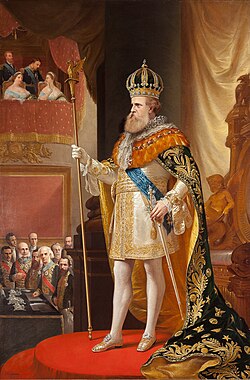
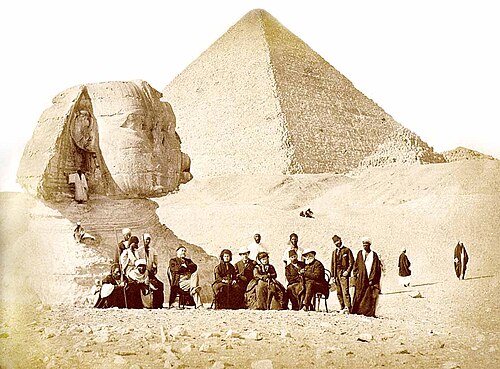
![Engraved signature by Pedro II while visiting the Imatrankoski rapids in Imatra, Finland; 1876.[206]](/images/17/68/17682b6c47881a13a72eec0ecaaaf49a5a007674220589160a0fb578ca60a674.jpg)
The Path to Abolition and Decline
One of the most significant moral and political shifts during his reign was the movement toward abolitionism. The gradual dismantling of the slave trade and the eventual abolition of slavery were central to the later years of the Empire. However, these progressive steps alienated the land-owning elite, contributing to the erosion of the monarchy's support base.
By the late 1880s, Pedro II had grown weary of the burdens of the crown. His resignation to the eventual demise of the monarchy became apparent as political tensions peaked.
Exile and Final Years
On November 15, 1889, a military coup d'état abolished the monarchy and established the Republic, with Deodoro da Fonseca serving as the first President. Pedro II and his family were forced into exile.
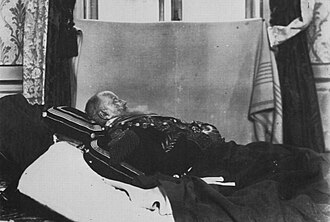
The Emperor spent his final years in Paris, France, where he died on December 5, 1891, at the age of 66. Even in death, his devotion to knowledge was symbolized; he was laid out with a book beneath the pillow under his head, signifying that his mind rested upon knowledge.


Imperial Summary
| Attribute | Details |
|---|---|
| Full Name | Pedro de Alcântara João Carlos Leopoldo Salvador Bibiano Francisco Xavier de Paula Leocádio Miguel Gabriel Rafael Gonzaga |
| Reign Period | 1831 – 1889 |
| Spouse | Teresa Cristina of the Two Sicilies |
| Key Successor | Isabel, Princess Imperial (Head of Imperial House) |
| Major Conflict | Paraguayan War |
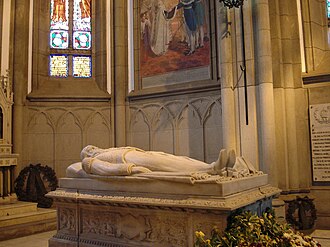
| Final Resting Place | Cathedral of São Pedro de Alcântara, Petrópolis, Brazil |
Frequently Asked Questions
When did Pedro II become Emperor of Brazil?
Pedro II became emperor on April 7, 1831, following the abdication of his father, Pedro I. However, due to his young age, he was governed by regents until his formal coronation in 1841.
What was Pedro II's contribution to education?
Pedro II was a passionate advocate for education and the sciences. He used his position to patronize the arts and sciences, and his public image was often associated with books and intellectual pursuit.
How did the monarchy in Brazil end?
The monarchy ended on November 15, 1889, when a military coup d'état deposed Pedro II and proclaimed the Republic of Brazil.
Who succeeded Pedro II as the head of the Imperial House?
Following the death of Pedro II in 1891, his daughter, Isabel, Princess Imperial, succeeded him as the head of the Imperial House of Brazil.
Where is Pedro II buried?
Pedro II is buried alongside his wife, Teresa Cristina, in the Cathedral of São Pedro de Alcântara in Petrópolis, Brazil.