Parthenogenesis: The Science of Virgin Births in Nature
In the vast diversity of biological reproduction, most animals rely on the fusion of a male and female gamete to create life. However, nature possesses a fascinating alternative known as parthenogenesis. Derived from the Greek words parthénos (virgin) and génesis (creation), parthenogenesis is a form of asexual reproduction where an embryo develops from an unfertilized egg cell, bypassing the need for fertilization.
While it may seem like a biological anomaly, this process is widespread across various kingdoms of life. In plants, it serves as a key component of apomixis (asexual seed production), while in the animal kingdom, it ranges from common occurrences in insects to rare, surprising events in complex vertebrates.
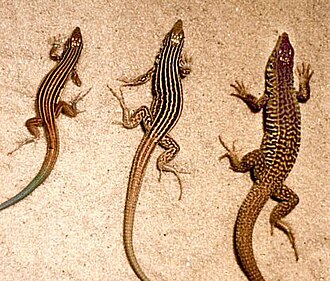
Key Facts
- Definition: Development of an embryo from an unfertilized egg.
- Occurrence: Found in invertebrates (bees, aphids, scorpions), some vertebrates (sharks, birds, reptiles), and various plants and algae.
- Vertebrate Diversity: Over 50 unisexual vertebrate species identified, including 25 lizard species and 20 fish species.
- Artificial Induction: Scientists have successfully induced parthenogenesis in mice, fish, and amphibians.
- First Record: The first all-female vertebrate reproduction was described in the fish Poecilia formosa in 1932.
Mechanisms of Parthenogenesis
Parthenogenesis is not a single process but a collection of different biological mechanisms. These mechanisms determine the genetic makeup of the offspring and whether the species relies on this method exclusively or as a backup.
Automixis and Genetic Variation
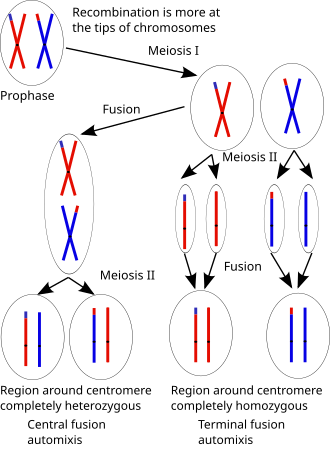
Automixis occurs when the egg cell fuses with a polar body (a byproduct of meiosis) or when the cell doubles its own chromosomes to restore diploidy. This process can lead to varying levels of heterozygosity depending on whether the fusion is central or terminal.
Facultative vs. Obligate Parthenogenesis
Species are generally categorized by how they utilize this reproductive strategy:
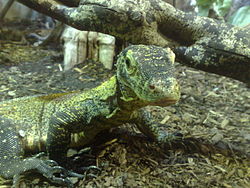
- Facultative Parthenogenesis: The organism can reproduce both sexually and asexually. This is often a response to environmental stress or a lack of mates. For example, Komodo dragons can produce offspring through both methods.
- Obligate Parthenogenesis: The organism reproduces exclusively via parthenogenesis. This often results in all-female (unisexual) populations.
Related Reproductive Phenomena
Beyond strict parthenogenesis, several other "incomplete" or related forms of asexual reproduction exist, particularly among fish and amphibians.
Gynogenesis and Hybridogenesis
Gynogenesis is a process where an egg requires the stimulus of sperm to begin development, but the sperm's genetic material is not incorporated into the embryo. Hybridogenesis is a more complex form where a hybrid individual produces gametes by excluding one of the parental genomes.
A prime example of hybridogenesis is found in the edible frog (P. kl. esculentus), which results from the hybridization of the pool frog (P. lessonae) and the marsh frog (P. ridibundus).
![Example crosses between pool frog (Pelophylax lessonae), marsh frog (P. ridibundus) and their hybrid – edible frog (P. kl. esculentus). On the left, primary hybridisation generating a hybrid, while the middle is the most widespread type of hybridogenesis.[60][61]](/images/7e/5b/7e5b699104d57c870c9b043e6901d88108fbd5111db5a4674417d73d2894b2b0.gif)
Androgenesis
Unlike parthenogenesis, androgenesis occurs when the embryo develops from the male genetic contribution alone, without a female nucleus.
Artificial Induction and Human Research
While natural parthenogenesis is rare in mammals, researchers have explored the artificial induction of the process. This has been achieved in pigs and mice through chemical or electrical activation of the oocyte.
![Induction of parthenogenesis in pigs[51][52]](/images/cb/60/cb6017246f56c1e7f705ffe2120ec8b44903bb94e59a9b359a52024afb6ccd9f.jpg)
In humans, the study of parthenogenetic blastocysts has been used to derive patient-specific stem cell lines, though the process remains a subject of intense scientific and ethical scrutiny.
Summary of Parthenogenetic Occurrences
| Group | Examples | Reproductive Mode |
|---|---|---|
| Invertebrates | Aphids, Bees, Scorpions, Water Fleas | Natural/Common |
| Reptiles | Whiptail Lizards, Komodo Dragons, Boa Constrictors | Obligate or Facultative |
| Fish | Poecilia formosa, Hammerhead Sharks | Unisexual/Gynogenesis |
| Birds | Turkeys, Zebra Finches, California Condors | Facultative/Rare |
| Amphibians | Edible Frogs (Pelophylax) | Hybridogenesis |
Frequently Asked Questions
Can all animals reproduce via parthenogenesis?
No. Parthenogenesis does not apply to isogamous species (where gametes are of similar size and shape) and is absent in most mammals under natural conditions.
What is the difference between obligate and facultative parthenogenesis?
Obligate parthenogenesis is the only way a species can reproduce, whereas facultative parthenogenesis is an optional method used alongside sexual reproduction.
Are parthenogenetic offspring identical to the parent?
Not necessarily. While some forms produce clones, others (like automixis) involve genetic recombination, resulting in offspring that are not identical to the parent.
How does hybridogenesis differ from standard parthenogenesis?
Hybridogenesis is an incomplete form of parthenogenesis where a hybrid individual excludes one of its parental genomes during gamete formation, requiring a sexual cross to maintain the hybrid lineage.
Has parthenogenesis been observed in humans?
Natural parthenogenesis is not a recognized method of human reproduction. However, it has been induced in laboratory settings to create blastocysts for stem cell research.