Asexual Reproduction: Mechanisms, Types, and Biological Examples
Asexual reproduction is a biological process that allows an organism to create offspring without the fusion of gametes (specialized reproductive cells) or a change in the number of chromosomes. Because the offspring inherit the full set of genes from a single parent, they are genetically and physically similar to that parent, effectively acting as an exact clone.
This method of reproduction is the primary way single-celled organisms, such as bacteria and archaea, multiply. However, it is not limited to microbes; many eukaryotic organisms—including fungi, plants, and animals—utilize asexual strategies to ensure survival and population growth.
Key Facts
- Genetic Identity: Offspring are clones of the single parent.
- No Gamete Fusion: Unlike sexual reproduction, there is no fusion of sperm and egg.
- Widespread Occurrence: Found in prokaryotes, fungi, plants, and various animal species.
- Adaptive Strategy: Often used by vertebrates as an alternative when reproductive partners are unavailable.
- Prokaryotic Variation: While bacteria reproduce asexually, they use lateral gene transfer (conjugation, transformation, and transduction) for genetic recombination.
Mechanisms of Asexual Reproduction
Asexual reproduction manifests in various forms depending on the complexity and biological kingdom of the organism.
Fission and Budding
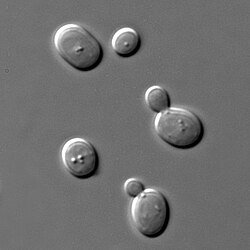
Fission occurs when a single entity splits into two or more independent organisms. Budding, conversely, involves a new organism developing from an outgrowth or "bud" of the parent body.
Vegetative Propagation and Fragmentation
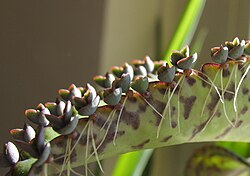
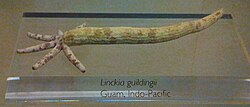
In plants, vegetative propagation allows for the growth of new individuals from non-reproductive parts like roots, stems, or leaves. Fragmentation occurs when a piece of an organism breaks off and regenerates into a complete new individual.
Spore Formation and Agamogenesis
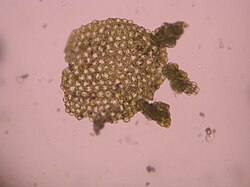
Many fungi and algae produce spores—small, hardy cells that can grow into new organisms without fertilization. Agamogenesis refers to the production of offspring without the use of gametes.
Advanced Asexual Strategies in Animals and Plants
Parthenogenesis
Parthenogenesis is a form of asexual reproduction where an embryo develops from an unfertilized egg. This is common in some invertebrates and occurs in certain vertebrates as a survival mechanism.
- Facultative Parthenogenesis: An organism can choose between sexual and asexual reproduction.
- Obligate Parthenogenesis: The organism reproduces asexually exclusively.
Androgenesis and Apomixis
Androgenesis occurs when offspring are produced from the male genetic contribution alone, often by "hijacking" an egg. In plants, apomixis (including nucellar embryony) allows seeds to be produced without fertilization, ensuring the offspring are clones of the mother plant.
Case Studies in Nature
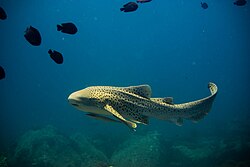
Nature provides striking examples of asexual reproduction across different species. For instance, the zebra shark has shown the ability to switch to parthenogenetic reproduction. Similarly, Komodo dragons are known to produce offspring via "virgin births" when mates are absent.
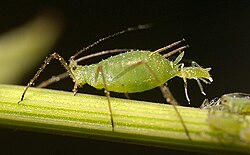
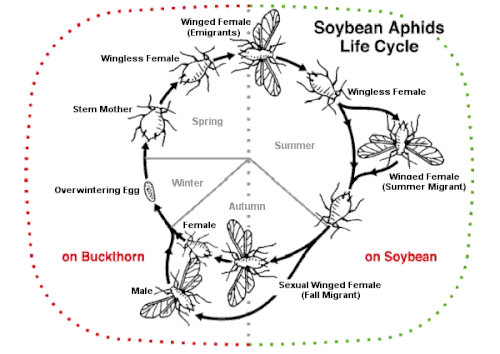
Aphids provide a complex example of alternating strategies; their populations are often entirely female during the summer, relying on asexual reproduction to rapidly increase numbers, only switching to sexual reproduction to produce eggs for overwintering.
Summary of Asexual Reproduction Types
| Method | Primary Organisms | Key Characteristic |
|---|---|---|
| Fission | Bacteria, Archaea | Cell splits into two equal halves |
| Budding | Yeast, Hydra | New individual grows as an outgrowth |
| Vegetative Propagation | Plants | Growth from roots, stems, or leaves |
| Parthenogenesis | Lizards, Sharks, Aphids | Development from unfertilized eggs |
| Fragmentation | Starfish, Planaria | Regeneration from a broken piece |
| Androgenesis | Certain Clams, Insects | Offspring derived from male genome |
Frequently Asked Questions
What is the main difference between asexual and sexual reproduction?
Asexual reproduction involves only one parent and produces genetically identical clones without the fusion of gametes. Sexual reproduction involves two parents and the fusion of gametes, resulting in genetically diverse offspring.
Can vertebrates reproduce asexually?
Yes, through a process called parthenogenesis. Examples include certain species of lizards, Komodo dragons, and some sharks, such as the zebra shark.
How do bacteria achieve genetic diversity if they reproduce asexually?
Bacteria use lateral gene transfer mechanisms—specifically conjugation, transformation, and transduction—to exchange genetic material, which provides a similar effect to the recombination seen in sexual reproduction.
What is obligate parthenogenesis?
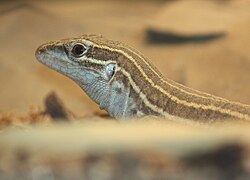
Obligate parthenogenesis is a reproductive strategy where a species reproduces asexually exclusively, as seen in certain desert grassland whiptail lizards.
What is the advantage of asexual reproduction?
It allows for rapid population growth and ensures survival in environments where mates are scarce, as the organism does not need to find a partner to produce offspring.