Parnaíba: The Coastal Gem and Economic Hub of Piauí
Located in the Northeast region of Brazil, Parnaíba is a city of immense natural beauty and historical significance. As the second most populous city in the state of Piauí—with an estimated population of 170,491 inhabitants by 2025—it serves as a vital urban center and one of the state's few coastal municipalities. Known as the "Princess of Igaraçu," Parnaíba blends its colonial heritage with a dynamic modern economy and breathtaking landscapes.
Key Facts
- State: Piauí, Brazil.
- Population: 162,159 (2022 Census); 170,491 (2025 Estimate).
- Geography: Home to the Parnaíba Delta, the only offshore delta in the Americas.
- Economy: Major exporter of carnauba wax, babassu oil, and coconut oil.
- Tourism: A central hub for the Rota das Emoções (Route of Emotions).
- Climate: Megathermal semi-humid tropical climate.
History and Heritage
The region's development began in 1699 when Leonardo de Sá and his companions settled the land between the Igaraçu river and the Serra da Ibiapaba. The name Parnaíba is believed to either honor a district in São Paulo or derive from a Tupi word meaning "great unnavigable river."
By 1761, the area saw significant growth through the efforts of Domingos Dias da Silva, a Portuguese pioneer who founded Porto das Barcas. This area became a commercial powerhouse, eventually surpassing the former capital, Oeiras, in importance and establishing strong trade links with Europe, including Portugal, Spain, England, and Germany.
Geography and Natural Wonders
Parnaíba is defined by its unique hydrology. The city is situated in the Parnaíba River basin, where the river splits into several arms to form the Parnaíba Delta. This is the third largest delta in the world, following only the Nile and the Mekong. The city itself sits primarily on the right bank of the Igaraçu river, with other portions located on the Big Island of Santa Isabel.
The landscape is characterized by a coastal plain with mangrove vegetation and scrub. The municipality also protects a significant portion of the 313,800-hectare Delta do Parnaíba Environmental Protection Area, established in 1996.
Coastal Attractions
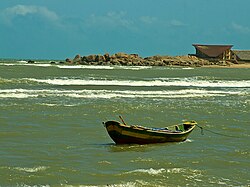
The city's primary beach, Pedra do Sal, is a favorite for surfing, kite surfing, and wind surfing. It also hosts a 18 MW wind power plant, contributing to the city's sustainable energy matrix.
Another standout attraction is the Portinho Lagoon, famous for its waters that shift between blue and green depending on the sunlight. Surrounded by dunes, it is a premier spot for jet skiing and banana boat rides.
Economy and Infrastructure
Parnaíba is a diversified economic center. While it maintains a strong industrial presence in food and perfumery—with companies like Vegeflora and Delta Cooperative Milk—its primary strength lies in the export of natural resources such as carnauba wax, babassu oil, coconut oil, cashew nuts, cotton, and leather.
The city has been designated as a Zone Processamento de Exportações (ZPE), an export processing zone designed to attract global companies. Additionally, agribusiness is growing, particularly in the production of shrimp, fruit, and milk.
Connectivity and Urban Growth
To support its growth, Parnaíba operates an international airport managed by INFRAERO with a 2,500m runway. Direct flights from hubs like Campinas (via Azul) and connections from Fortaleza and Teresina (via Voepass) have significantly increased accessibility for international and domestic tourists.
| Attribute | Detail |
|---|---|
| Founded | August 14, 1844 |
| Area | 435.564 km² |
| Demonym | Parnaibano |
| Time Zone | UTC-3 |
| Main Airport | Parnaíba-Prefeito Dr. João Silva Filho International Airport |
Sports and Culture
Football is deeply ingrained in the city's culture. The Stadium Petrônio Portela, built in the 1920s, is noted for its English-style architecture, which was unique in Brazil at the time. Other venues include the Stadium Pedro Alelaf (the "Piscinão") and the Gymnasium Verdinho.
The city's sporting pride is led by Parnahyba Sport Club (PSC), known as the "Tubarão do Litoral," which was founded in 1913 and is the oldest club in the state. Other notable teams include Ferroviário Atlético Club (FAC) and the historically significant Paysandu Esporte Clube.
Frequently Asked Questions
What is the Parnaíba Delta?
The Parnaíba Delta is the only offshore delta in the Americas and the third largest in the world. It consists of 73 river islands characterized by lush mangroves, dunes, and diverse wildlife.
What is the Rota das Emoções?
The Rota das Emoções (Route of Emotions) is a famous tourist route that connects the Lençóis Maranhenses in Maranhão, the Parnaíba Delta in Piauí, and Jericoacoara in Ceará.
What are the main economic products of Parnaíba?
The city is a major exporter of carnauba wax, babassu oil, coconut oil, cashew nuts, cotton, and leather, while also growing its agribusiness sector in shrimp and dairy.
How can visitors reach Parnaíba?
Visitors can use the Parnaíba-Prefeito Dr. João Silva Filho International Airport, which receives flights from Campinas, Fortaleza, and Teresina.
What is the climate like in Parnaíba?
The city has a megathermal semi-humid tropical climate. It experiences high rainfall from January to June, with average daily maximum temperatures typically ranging between 30°C and 34°C throughout the year.