Parks: From Urban Green Spaces to Global National Reserves
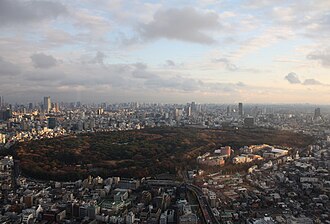
A park is a designated area of natural, semi-natural, or planted space reserved for human recreation, enjoyment, or the protection of wildlife and natural habitats. These spaces range from small urban pockets to vast wilderness areas, providing essential ecological services and social benefits to communities worldwide.
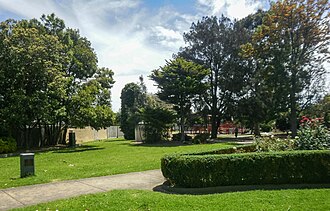
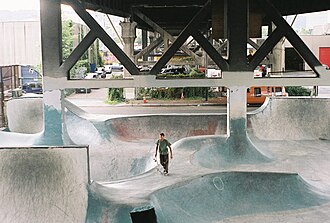
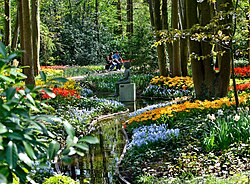
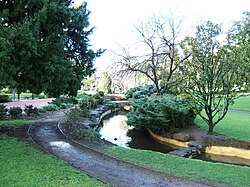
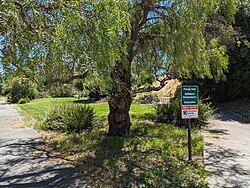
Depending on their location and purpose, parks are categorized into various types. Urban parks provide green lungs within cities, while national and country parks preserve the beauty and biodiversity of the countryside. Many parks feature a blend of natural elements—such as trees, soil, and rocks—and man-made structures, including monuments, fountains, playgrounds, and sports fields for baseball, football, and basketball.
Key Facts
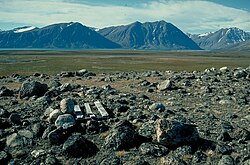
- Northeast Greenland National Park is the world's largest national park, covering 972,001 km².
- Yellowstone National Park (1872) was the first "public park" established for people's benefit, though Mackinac Island (1875) was the first officially gazetted national park.
- Biodiversity in parks helps urban ecosystems adapt and can reduce local air temperatures.
- Perception of safety often influences park usage more than actual crime statistics.
- Pollinator-friendly design is an emerging trend to support bees and other insects in urban spaces.
Types of Parks and Their Functions
Urban and City Parks
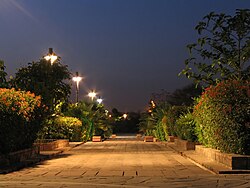
Urban parks are green spaces located within towns and cities. Historically, some evolved from medieval practices of securing pasture lands near villages, such as the Boston Common (1634). Modern urban parks often include amenities like benches, picnic tables, barbecue grills, and paved walking or biking trails.
![Central Park in New York City is the most-visited urban park in the U.S.[26]](/images/6b/a1/6ba10e256d15835c34997aafd8b17f5609608e23f10227a7c2d32798fb0c1348.jpg)
National and Sub-national Parks
A national park is typically a government-owned reserve protected from pollution and human development. According to the International Union for Conservation of Nature (IUCN) Category II, these are wilderness areas designed to support a degree of human visitation through managed infrastructure.
Sub-national parks are administered by state or provincial agencies. These larger reserves often allow permitted tent camping and are overseen by park rangers. Activities vary by season, ranging from canoeing and hiking in summer to cross-country skiing and snowshoeing in winter.
Specialized Park Categories
- Amusement Parks: Commercial spaces featuring fairground rides, live shows, and games of skill.
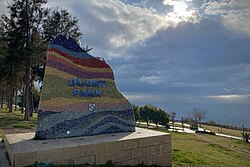
- Military Parks: Spaces used to commemorate victory or display military history, such as the Baku Military Trophy Park in Azerbaijan.
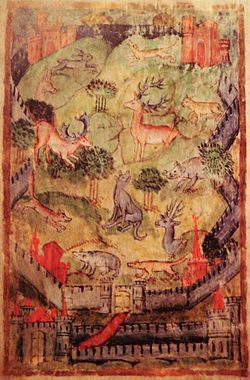
- Private Parks: Owned by individuals or businesses. This includes historic hunting parks (or deer parks), which were originally reserved for nobility.
- Dog Parks: Specifically designated areas where dogs can run off-leash.
- Forest Parks: Large countryside areas with marked paths and camping zones.
The Evolution of Park Design
Historical Influence
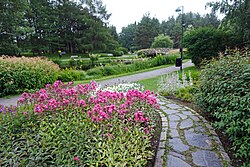
The design of modern public parks was heavily influenced by 19th-century visionaries. Joseph Paxton's work on Princes Park (1843) and Birkenhead Park in England introduced the concept of designed landscapes for the benefit of townspeople. These designs later influenced Frederick Law Olmsted and Calvert in the creation of New York's Central Park in 1857.
Safety and Accessibility
Research indicates that the perception of safety is a critical driver of park usage. A study across four American cities (Albuquerque, Chapel Hill/Durham, Columbus, and Philadelphia) involving 3,815 participants found that improving park facilities can be more effective in increasing usage than simply attempting to create an image of safety.
Ecological Impact
Parks play a vital role in biodiversity conservation. By preserving native species and introducing exotic flora and fauna, parks help urban environments adapt. Trees in these spaces absorb over 95% of ultraviolet radiation and store carbon dioxide as biomass, which helps lower air temperatures and may reduce the risk of skin cancer for visitors.
Summary of Park Classifications
| Park Type | Primary Purpose | Typical Management | Key Features |
|---|---|---|---|
| Urban Park | City recreation & health | Local Government | Benches, playgrounds, sports fields |
| National Park | Conservation & wilderness | National Government | Mountains, rivers, ranger stations |
| Private Park | Private use/Aesthetics | Individuals/Businesses | Landscaped lawns, gated access |
| Amusement Park | Entertainment | Private Corporations | Rides, shows, refreshments |
Frequently Asked Questions
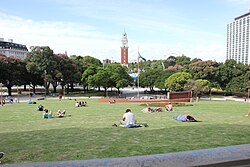
![Independence Park in São Paulo, Brazil. This park marks the historic site where Prince Regent Pedro of Braganza (later Emperor Pedro I) proclaimed the independence of Brazil in 1822.[23]](/images/cf/40/cf40c17ac021ec5ce2b56f76c5e643d95c144d4fbde22e4318a64574fa06a050.jpg)
![Baku Military Trophy Park in Azerbaijan, which sparked uproar due to display of helmets of Armenian troops and wax mannequins of Armenian soldiers of 2020 Nagorno-Karabakh war.[30]](/images/fb/42/fb4200816969a8cee7a6f0717bdd32596826b16ebf0829992a8d95fe4e6720f2.jpg)
What is the difference between a national park and a nature reserve?
While both protect land, national parks (IUCN Category II) are established with the expectation of human visitation and the supporting infrastructure to handle it, whereas pure nature reserves focus more strictly on preservation with limited human access.
Which is the largest national park in the world?
The Northeast Greenland National Park is the largest, protecting an area of 972,001 square kilometers.
How do parks help the environment in cities?
Parks reduce air temperatures, store carbon dioxide as biomass, and provide habitats for pollinators. Additionally, their tree canopies absorb the vast majority of ultraviolet radiation.
Who influenced the design of Central Park in New York?
Frederick Law Olmsted was significantly influenced by Joseph Paxton's designs for Birkenhead Park in England.
What are hunting parks?
Hunting parks were originally open spaces maintained by nobility to hunt wild animals (deer). Many have since been landscaped for aesthetic purposes and are found primarily in Great Britain and Ireland.