Pará: The Economic and Cultural Powerhouse of the Brazilian Amazon
Located in the heart of Brazil's North Region, Pará is a land of staggering scale and diversity. As the second-largest state in Brazil by area, covering approximately 1.2 million square kilometers, it serves as a vital gateway to the Amazon rainforest and the mighty Amazon River. With a population exceeding 8.6 million people, it is the most populous state in the North, blending ancient indigenous legacies with a modern, industrial economy.
From the bustling urban center of Belém to the remote reaches of the interior, Pará is defined by its relationship with nature. The state is a global leader in the production of unique commodities like açaí and minerals, making it a cornerstone of Brazil's national GDP.
Key Facts
- Capital: Belém, the state's largest city and primary education hub.
- Geography: Second-largest Brazilian state, characterized by tropical rainforests and the Amazon River.
- Economy: A powerhouse in mining (iron ore, bauxite) and agriculture (açaí, cocoa, cassava).
- Demographics: Home to over 8.7 million people (2025 estimate), known as Paraenses.
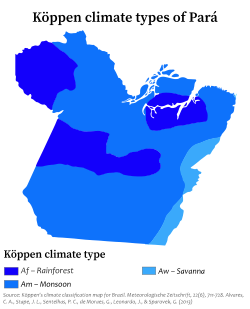
- Climate: Predominantly tropical monsoon, featuring high humidity and consistent warmth.
History and Heritage
The history of Pará is a tapestry of indigenous sophistication and colonial struggle. Long before European arrival, the Marajoara culture flourished between 500 and 1300 AD. These early inhabitants were skilled in ceramics, dyes, and slash-and-burn agriculture, leaving behind distinctive funerary urns and pottery that remain symbols of the region's ancient heritage.
European exploration began in 1500 with Spanish navigator Vicente Yáñez Pinzón, followed by Francisco de Orellana in 1542. However, Portuguese influence solidified in 1616 with the founding of the Fort of the Nativity (Forte do Presépio) in Belém, intended to ward off Dutch and English incursions.
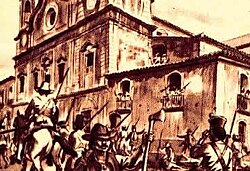
The 19th century saw the Cabanagem (1835–1840), a violent social revolt influenced by the French Revolution. Driven by extreme poverty and political marginalization following Brazil's independence, the movement reflected the deep social fractures of the era.
The state later experienced the "Rubber Cycle" (1870–1920 and 1940–1945), which brought immense wealth to Belém, inspiring urban development modeled after Paris. While the rubber boom eventually collapsed, it paved the way for the mineral extraction era that defines the state today.
Geography and Environment
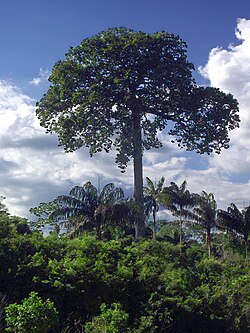
Pará's landscape is dominated by the Amazon basin. The climate is primarily tropical monsoon (Köppen Am), characterized by a wet season from February to April and a drier period from July to November. In the north, a tropical rainforest climate (Af) prevails, with heavy rainfall year-round.
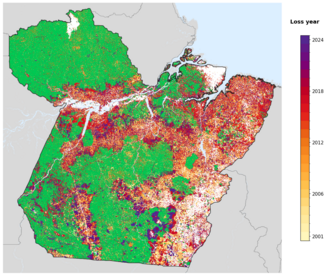
The vegetation is as diverse as the climate, ranging from dense rainforests to the unique ecosystems of Marajó, the world's largest fluvial-maritime island. However, this biodiversity faces ongoing challenges from land use changes.
Demographics and Ethnic Diversity
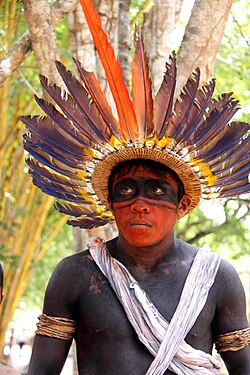
The population of Pará is a melting pot of ethnicities. Beyond the indigenous groups—including the Assurini, who lived in isolation until 1971—the state has significant immigrant communities. Japanese immigrants introduced jute and black pepper in the 1930s, and later Hawaiian papaya and melon, establishing the third-largest Japanese community in Brazil.
Syrian-Lebanese immigrants arrived during the rubber boom, settling in Belém and various interior cities, while Italian immigrants contributed to the early industrialization of the capital around 1895.
Economic Powerhouse
Pará's economy is a tripartite system of services, industry, and agriculture. The service sector is the largest contributor to the GDP (40.9%), while industry (36.3%) is heavily driven by mining.
Mining and Industry
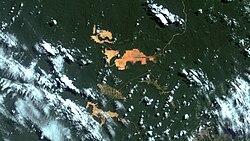
The state is a global leader in mineral extraction. The Carajás Mountains house one of the world's most significant iron ore provinces. Pará is also the primary producer of bauxite (aluminum ore) in Brazil, as well as a major producer of manganese, copper, gold, and nickel.
Agricultural Leadership
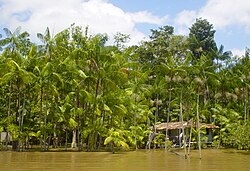
Pará dominates several agricultural sectors. It produces 95% of Brazil's açaí and is the nation's largest producer of cassava and pineapple. In recent years, Pará has overtaken Bahia as the leading producer of cocoa, utilizing more modern, commercial farming techniques and resistant seeds.
Infrastructure and Urban Centers
Belém serves as the state's political, economic, and educational heart. It is home to major institutions such as the Federal University of Pará (UFPA) and the State University of Pará (UEPA).
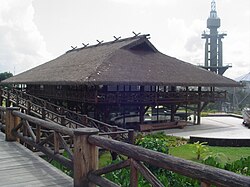
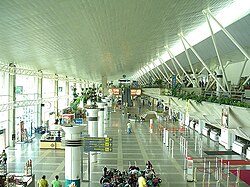
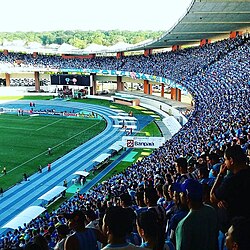
The city is well-connected via the Belém International Airport, which serves approximately 2.7 million passengers annually and has been recognized globally for its quality. For sports and culture, the Mangueirão (Estádio Olímpico do Pará) stands as a landmark with a capacity of 50,000.
| Category | Detail |
|---|---|
| Total Area | 1,247,689.5 km² |
| Population (2025) | 8,711,196 |
| GDP (Total) | R$ 262.905 billion (US$ 48.8 billion) |
| HDI (2024) | 0.758 (High) |
| Primary Exports | Iron ore, Aluminium, Wood |
| Key Crops | Açaí, Cassava, Pineapple, Cocoa, Soy |
Frequently Asked Questions
What is the primary economic driver of Pará?
The economy is driven by a combination of large-scale mining (particularly iron ore and bauxite) and high-yield agriculture, specifically açaí, cocoa, and cassava production.
Which city is the most important in the state?
Belém is the capital and largest city, serving as the primary hub for government, education, and international transport.
What was the Cabanagem?
The Cabanagem was a popular social revolt from 1835 to 1840, fueled by extreme poverty and political neglect, which sought greater autonomy and social reform in the Amazon region.
How does Pará's cocoa production compare to other regions?
Pará has become the leading producer of cocoa in Brazil, surpassing Bahia. This is attributed to higher productivity per hectare and the use of more resistant seeds and modern commercial methods.
What is the climate like in Pará?
The state has a uniformly hot and humid tropical climate. Most of the region experiences a tropical monsoon climate with a distinct wet season and a drier period between July and November.