Palestinians in Lebanon: Legal Status, Demographics, and Human Rights
The Palestinian community in Lebanon is a diverse group comprising refugees who fled during the Nakba (the 1948 displacement), their descendants, former militia members from the 1970s and 80s, and more recent arrivals from conflict zones like Syria. For decades, this population has existed in a complex legal limbo, navigating a system that often denies them the basic rights of citizenship and stability.
Most Palestinians in Lebanon remain stateless, meaning they are not recognized as citizens by any country. This status bars them from naturalization and leaves them dependent on international aid for survival, creating a cycle of systemic discrimination and economic hardship.
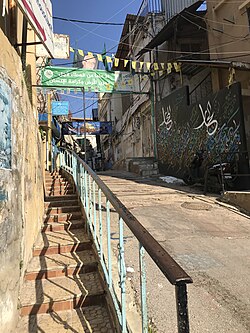
Key Facts
- Population: UNRWA registered approximately 489,292 refugees as of March 2023, though estimated residents are around 250,000.
- Legal Status: The majority are stateless and barred from Lebanese citizenship.
- Employment: Palestinians are legally prohibited from practicing at least 39 "liberal professions," including medicine, law, and engineering.
- Property: Since 2001, Palestinian refugees have been legally excluded from owning land or property in Lebanon.
- Primary Support: The United Nations Relief and Works Agency (UNRWA) provides essential healthcare and education.
Demographics and Population Trends
Quantifying the Palestinian population in Lebanon is challenging due to varying registration methods. A 2017 government census counted 174,422 Palestinian refugees of Lebanon (PRL) and 18,601 Palestinian refugees of Syria (PRS). However, UNRWA figures are often higher because registration is voluntary and may not be updated to reflect deaths or emigration.
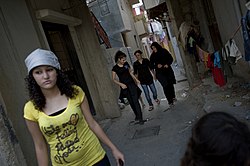
By February 2025, the UNRWA Lebanon Field Office reported 222,000 Palestinians residing in the country, consisting of 195,000 Lebanese Palestinians and 27,000 Syrian Palestinians. The population is concentrated in major hubs including Greater Beirut, Sidon, Tripoli, and the Beqaa Valley.
Regional Population Distribution
The distribution of the population varies significantly across Lebanese regions, with the highest concentrations found in Saida and the North.
| Region | Population of PRL | Population of PRS | Total Population | Share of Total |
|---|---|---|---|---|
| North | 41,495 | 3,859 | 45,354 | 24.7% |
| Beirut | 22,149 | 1,619 | 23,768 | 13% |
| Mount Lebanon | 11,752 | 1,978 | 13,730 | 7.5% |
| Saida | 59,201 | 5,550 | 64,751 | 35.3% |
| Tyre | 24,410 | 2,706 | 27,116 | 14.8% |
| Beqaa | 6,542 | 1,994 | 8,536 | 4.7% |
Legal Status and Citizenship
The vast majority of Palestinians in Lebanon are stateless. While the Lebanese government granted citizenship to approximately 50,000 Christian refugees in the 1950s and 60s, and later to some Shiite Muslim refugees in the 1990s, these instances were limited. In 1994, over 154,000 residents of Palestinian and Syrian descent were naturalized, though critics argue this was a political move to influence elections during the Syrian occupation.
For those without citizenship, the lack of a Lebanese identity card means no access to government-funded health or education services. A small group of "Non-ID Palestinians"—including some who arrived after the Naksa (the 1967 war) or members of the PLO—must renew temporary papers annually, which often prevents them from registering marriages or births.
Economic Restrictions and Labor Challenges
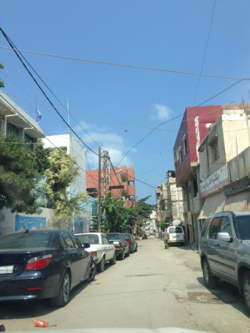
Palestinians face severe systemic barriers to employment. They are legally barred from several high-level professions and must obtain government work permits to work legally. However, these permits are rarely issued to Palestinians compared to other foreign nationals.
According to a 2017 census, more than 90% of Palestinian refugees are informally employed, often forced into the black market for labor. This economic precariousness is further exacerbated by the 2001 law prohibiting them from owning land or property.
Employment Activity Status
- Male: 59% employed, 12.5% unemployed, 28.5% inactive.
- Female: 11.9% employed, 4.5% unemployed, 83.6% inactive.
Human Rights and Living Conditions
The living conditions in refugee camps are often precarious. In 2016, authorities began building a concrete wall with watchtowers around Ain al-Hilweh, the largest camp, a move criticized by activists as discriminatory. Furthermore, the ban on construction has hindered the redevelopment of areas like the Nahr al-Bared camp, which was destroyed in 2007.
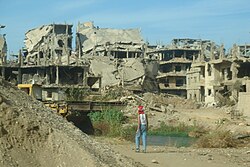
Due to these restrictions, the community relies heavily on UNRWA. However, this reliance is fraught with challenges, as UNRWA has historically faced restrictions on entering certain camp areas during times of high tension, and some critics argue that the relief provided is insufficient to meet basic healthcare needs.
Frequently Asked Questions
What is the difference between PRL and PRS?
PRL refers to Palestinian Refugees of Lebanon, those who originally fled to Lebanon during the 1948 conflict and their descendants. PRS refers to Palestinian Refugees of Syria, those who were displaced from Syria and subsequently sought refuge in Lebanon.
Why are most Palestinians in Lebanon stateless?
The Lebanese government generally bars Palestinian refugees from naturalization to preserve the country's delicate sectarian balance and political structure, regardless of how many generations the family has lived in Lebanon.
Can Palestinians in Lebanon own property?
No. Following a 2001 legal amendment, Palestinian refugees are legally excluded from owning land or property in Lebanon, as they do not hold citizenship from an internationally recognized country.
What role does UNRWA play in their lives?
Because they are denied access to Lebanese government social services, Palestinians rely on UNRWA for essential services, primarily basic healthcare and education.
Are there any exceptions to the employment bans?
While some reforms in 2005 and 2011 aimed to make work permits more accessible for certain clerical and technical positions, many high-level professions remain off-limits, and the actual issuance of permits remains very low.