Refugees and Forced Displacement: Global Trends, Legal Frameworks, and Human Impact
Forced displacement is one of the most pressing humanitarian challenges of the modern era. Millions of individuals are compelled to leave their homes every year due to conflict, persecution, and systemic violence. This global phenomenon encompasses a variety of legal statuses and living conditions, ranging from those seeking asylum in foreign lands to those displaced within their own national borders.
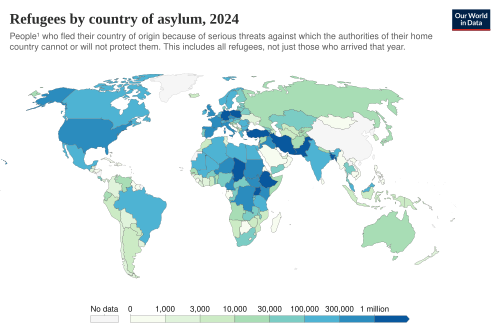
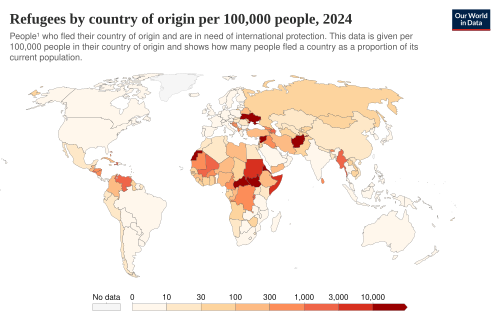
Currently, the scale of displacement is staggering. There are approximately 122.6 million forcibly displaced people worldwide. This total includes 72.1 million internally displaced persons (IDPs), 8 million individuals seeking asylum, and 43.7 million refugees. Of these refugees, 32 million fall under the mandate of the United Nations High Commissioner for Refugees (UNHCR), while 6 million are Palestinians under the mandate of the UN Relief and Works Agency (UNRWA), and 5.8 million are others requiring international protection.
Key Facts
- Total Displaced: 122.6 million people are forcibly displaced globally.
- Primary Categories: Displacement is split between refugees (crossing borders), asylum seekers (requesting protection), and IDPs (displaced within their own country).
- Regional Impact: Europe and North Asia host the largest population of displaced persons (12.4 million), followed by Sub-Saharan Africa (7.0 million).
- Host Countries: A vast majority (86%) of refugees are hosted in developing countries, with Turkey historically being a top hosting nation.
- Major Drivers: Recent crises in Syria, Ukraine, Afghanistan, South Sudan, and Myanmar have contributed significantly to global numbers.
Defining the Refugee
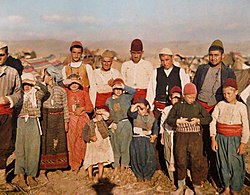
The modern legal definition of a refugee was first established by the League of Nations in 1921. However, the definitive international standard was set by the United Nations in the 1951 Convention Relating to the Status of Refugees. This treaty was created in response to the massive displacement in Eastern Europe following World War II.
Under Article 1.A.2 of the Convention, a refugee is defined as someone who is unable or unwilling to return to their country of origin due to a well-founded fear of being persecuted for reasons of race, religion, nationality, membership of a particular social group, or political opinion.

Refugee Relocation and Asylum
While a refugee is someone already recognized as needing protection, an asylum seeker is an individual who has applied for refugee status but whose claim has not yet been finally decided. Refugee relocation is described as a non-organized process of individual transfer to another country.
Historical Context of Displacement
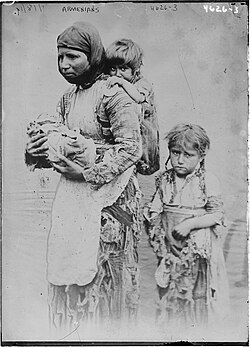
Forced migration has shaped global history. From the 19th-century aftermath of the Herzegovina Uprising to the mass movements during the World Wars, the scale of displacement has evolved.
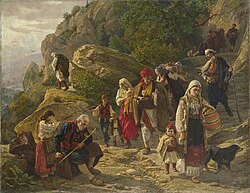
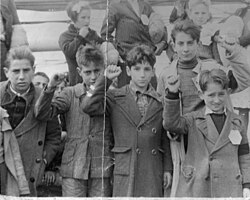
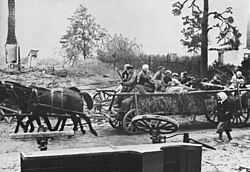
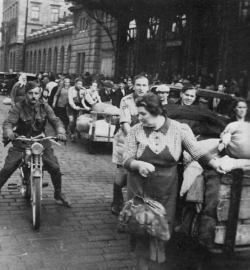
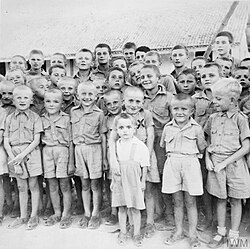
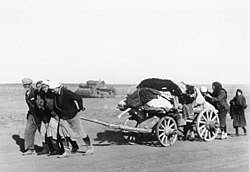
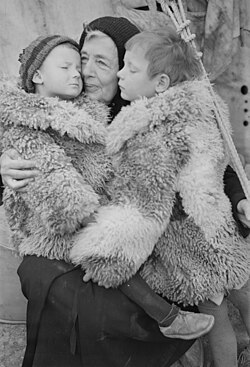
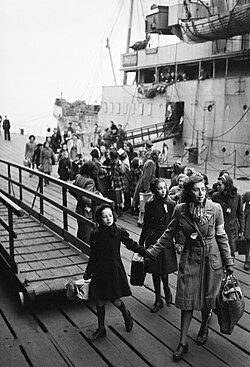
During the mid-20th century, the world witnessed massive population transfers. The Spanish Civil War (1936–1939) saw children evacuated for safety, while the end of World War II led to millions of Germans fleeing East Prussia and other territories.
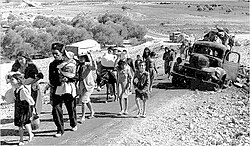
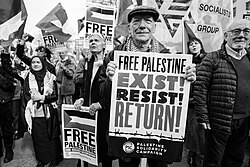
In 1948, the Palestine War resulted in approximately 700,000 Palestinian Arabs—about 85% of the population in territories that became Israel—fleeing or being expelled. This specific crisis led to the creation of UNRWA, a dedicated agency for Palestinian refugees, separate from the general UNHCR mandate. Over the last 70 years, the number of Palestinian refugees has grown to at least 5 million.
The Reality of Life in Displacement
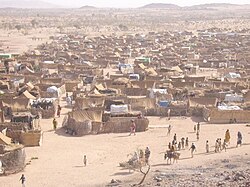
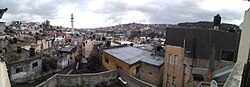
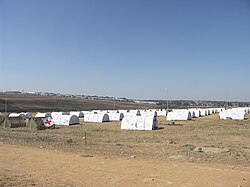
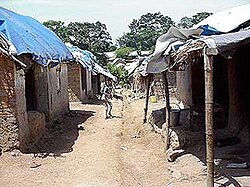
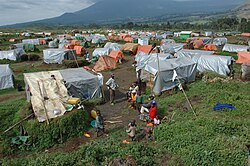
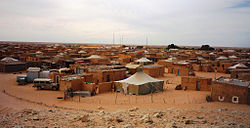
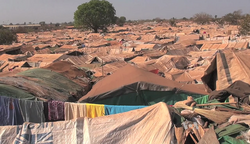
Refugees experience displacement in various environments. While refugee camps provide essential services and shelter, they are not the only option. In fact, more than half of the refugees supported by the UNHCR live in urban settings. For example, Damascus has hosted roughly 60,000 Iraqi refugees, and Cairo has hosted approximately 30,000 Sudanese refugees.
Challenges and Obstacles
Displaced populations face severe systemic and psychological hurdles:
- Health: High prevalence of Post-Traumatic Stress Disorder (PTSD) and exposure to diseases like malaria.
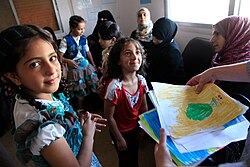
- Education: Children face frequent disruptions in schooling, language barriers, and a lack of resources for learning.
- Legal and Social: Issues regarding the right of return often arise, particularly when property ownership is unclear, owners have died, or the land has been occupied by others.
Global Displacement Trends (1996–2022)
The number of displaced persons has seen a dramatic increase over the last three decades, particularly in the last ten years.
| End-Year | Refugees | Internally Displaced Persons (IDPs) |
|---|---|---|
| 1996 | 11,480,900 | 5,063,900 |
| 2004 | 9,574,800 | 5,426,500 |
| 2010 | 10,549,700 | 14,697,900 |
| 2014 | 14,385,300 | 32,274,600 |
| 2022 | 29,429,078 | 57,321,197 |
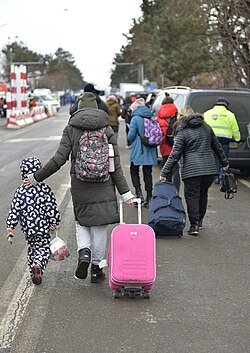
A significant spike occurred in 2022 following the Russian invasion of Ukraine. By late May 2022, over 8.2 million Ukrainian refugees were recorded across Europe, with another 8 million displaced within Ukraine.
Rights and Durable Solutions
International law provides several protections for refugees, most notably the right to non-refoulement, which prohibits returning a refugee to a country where they face serious threats to their life or freedom. Other essential rights include family reunification and the right to travel.
To end displacement, three durable solutions are typically pursued:
- Integration and Naturalization: Becoming a legal citizen of the host country.
- Voluntary Return: Returning to the home country when it is safe to do so.
- Third Country Resettlement: Moving from the first country of asylum to a third country that agrees to admit them.
Frequently Asked Questions

What is the difference between a refugee and an internally displaced person (IDP)?
A refugee is someone who has crossed an international border to escape persecution or conflict. An internally displaced person (IDP) has been forced to flee their home for similar reasons but remains within their own country's borders.
What is the role of the UNHCR?
The United Nations High Commissioner for Refugees (UNHCR) is the primary global agency mandated to protect refugees and resolve refugee problems worldwide, providing aid and seeking permanent solutions for displaced populations.
What does the right to non-refoulement mean?
Non-refoulement is a fundamental principle of international law that forbids a country from expelling or returning a refugee to a territory where their life or freedom would be threatened.
Why is UNRWA different from the UNHCR?
UNRWA (United Nations Relief and Works Agency for Palestine Refugees) was created specifically to handle the refugee crisis resulting from the 1948 Palestine War, whereas the UNHCR has a broader global mandate covering all other refugee groups.
Where do most refugees live?
While many are associated with camps, more than half of refugees live in urban settings. Additionally, 86% of refugees are hosted in developing countries rather than wealthy Western nations.