Palestinian Druze: History and Identity during the British Mandate
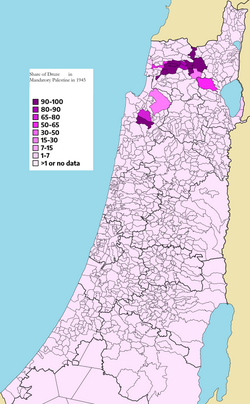
The Palestinian Druze are a distinct ethnoreligious group—a community defined by both shared ethnic heritage and a unique religious faith—who resided in Mandatory Palestine. Their journey through the early 20th century is marked by a complex navigation of identity, neutrality, and strategic alliances amidst the shifting political landscapes of the Middle East.
During the first census conducted under the British mandate, the Druze were officially recognized as one of eight distinct religious demographic groups. This formal categorization highlighted their unique position within the broader social fabric of the region.
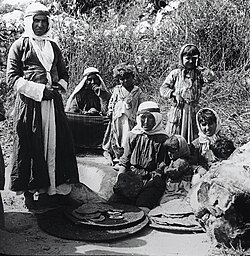
The Evolution of Druze Identity
While the Druze had long existed as a cohesive community, a more pronounced sense of a distinct identity began to emerge during the 1930s. This shift was largely driven by external perceptions; as ethnic contentions grew, other Arab citizens increasingly viewed the Druze as neutral parties.
Throughout the 1920s and 1930s, various authors documented this perceived neutrality, noting that the Druze often remained detached from the violent clashes occurring between Palestinian Arabs and Jews. This reputation for stability and non-interference caught the attention of the Zionist leadership.
Strategic Alliances and Non-Aggression
Because of their neutral stance, Zionist leaders approached Druze individuals in leadership positions to propose a treaty of non-aggression. This diplomatic move fostered a period of relatively tranquil relations between the two groups, setting a precedent for their future interactions.
Political Alignment and the State of Israel
During the era of the British Mandate for Palestine, the Druze did not align themselves with the rising tide of Arab nationalism, nor did they engage in violent resistance against colonial rule. This political distancing became even more evident during the pivotal events of 1948.
As the State of Israel was established, many Druze chose to volunteer for the Israeli army. A significant outcome of this alignment was that no Druze villages were destroyed or permanently abandoned during the Nakba (the mass displacement of Palestinians).
In the years following the establishment of the state, the Druze have continued to demonstrate solidarity with Israel. They have largely distanced themselves from Islamic and Arab anti-occupation movements, and Druze citizens continue to serve in the Israel Defense Forces (IDF).
Key Facts
- Demographic Status: Recognized as one of eight religious groups in the first British mandate census.
- Political Stance: Maintained a reputation for neutrality during Arab-Jewish clashes in the 1920s and 1930s.
- Diplomacy: Entered into non-aggression treaties with Zionist leadership.
- 1948 Conflict: Many Druze volunteered for the Israeli army; no Druze villages were destroyed during the Nakba.
- Current Status: Druze citizens serve in the Israel Defense Forces and maintain solidarity with the state of Israel.
| Period | Key Characteristic | Relationship with Neighbors |
|---|---|---|
| Early British Mandate | Official demographic recognition | One of eight religious groups |
| 1920s - 1930s | Emergence of distinct identity | Perceived as neutral in ethnic clashes |
| Pre-1948 | Rejection of Arab nationalism | Non-aggression treaties with Zionists |
| Post-1948 | Integration and solidarity | Service in the Israel Defense Forces |
Frequently Asked Questions
How were the Druze categorized during the British Mandate?
In the first census of the British mandate, the Druze were categorized as one of eight distinct religious demographic groups.
Why did the Druze identity become more distinct in the 1930s?
Their identity strengthened as other Arab citizens began to view them as neutral during periods of ethnic contention.
What was the result of the non-aggression treaty between the Druze and Zionist leadership?
The treaty led to relatively tranquil relations between the Druze leadership and the Zionist movement.
Did the Druze participate in the resistance against British colonialism?
No, the Druze did not embrace the Arab nationalism of the time or participate in violent resistance to colonialism.
What happened to Druze villages during the Nakba?
Unlike many other communities, no Druze villages were destroyed or permanently abandoned during the Nakba.
What is the current relationship between the Druze and the State of Israel?
The Druze have demonstrated solidarity with Israel, distanced themselves from anti-occupation movements, and serve in the Israel Defense Forces.