Pacifism: The History and Philosophy of Nonviolence
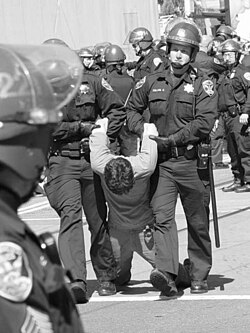
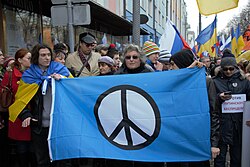
Pacifism is the principled opposition to war or violence. While the term itself was coined by French peace campaigner Émile Arnaud and popularized at the tenth Universal Peace Congress in Glasgow in 1901, the impulse to reject violence is ancient. From the spiritual foundations of Eastern philosophies to the political activism of the 20th century, pacifism has evolved from a personal moral choice into a global movement for social change.
A closely related concept is ahimsa, the practice of doing no harm, which serves as a core philosophy in Hinduism, Buddhism, and Jainism. In the modern era, these ancient ideals were revitalized by figures such as Leo Tolstoy, whose late works emphasized the inner kingdom of God, and Mahatma Gandhi. Gandhi developed satyagraha, a method of steadfast nonviolent opposition that became a cornerstone of the Indian independence movement.

The effectiveness of Gandhian nonviolence later inspired pivotal leaders of the American civil rights movement, including Martin Luther King Jr., James Lawson, and James Bevel, as well as international figures like Thích Nhất Hạnh.
Key Facts
- Definition: Pacifism is the opposition to war and violence.
- Origins: The word was coined by Émile Arnaud in 1901.
- Core Philosophies: Includes ahimsa (non-harm) and satyagraha (nonviolent resistance).
- Key Figures: Leo Tolstoy, Mahatma Gandhi, and Martin Luther King Jr.
- Types: Divided primarily into absolute pacifism and conditional pacifism.
Types of Pacifism

Pacifism is not a monolithic belief system; it manifests in various forms depending on the practitioner's moral and political framework.
Absolute Pacifism
Absolute pacifists believe that all war and violence are unjustifiable under any circumstances. This position is often rooted in deep religious or moral convictions that view the taking of a human life as an inherent wrong.
Conditional Pacifism
Conditional pacifists generally oppose war but acknowledge that there may be rare, extreme circumstances where violence is necessary—such as preventing a genocide or defending the innocent when all other options have failed.
Anarcho-Pacifism
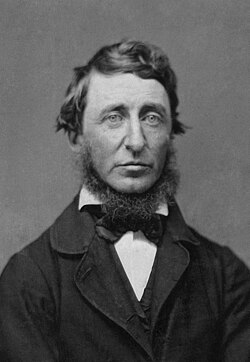
This branch combines pacifism with anarchism, arguing that the state itself is a source of violence. Proponents, such as Henry David Thoreau, often advocate for the removal of hierarchical government structures to achieve true peace.
A History of Peace Movements
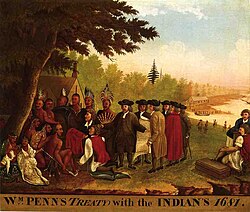
The history of pacifism is marked by a tension between the desire for peace and the pressures of national conflict.
Early Traditions and the Middle Ages
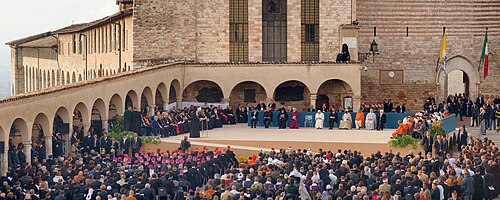
Early pacifist traditions are found in various religious texts and practices. In the Middle Ages, figures like Francis of Assisi sought peace through dialogue, notably during his missions to the Sultan during the Crusades.
The World Wars and Conscientious Objection
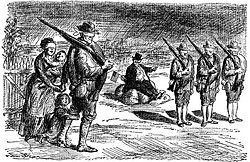
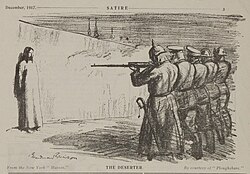
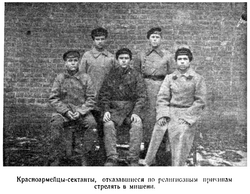
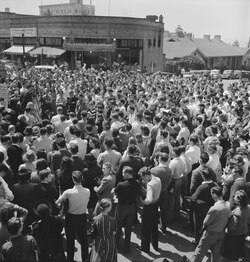
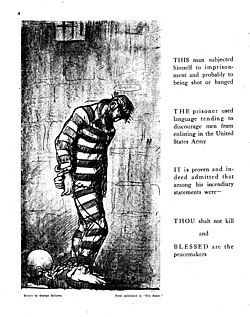
The 20th century saw a surge in organized peace movements. During World War I, many individuals became conscientious objectors—people who refuse to perform military service based on moral or religious grounds.
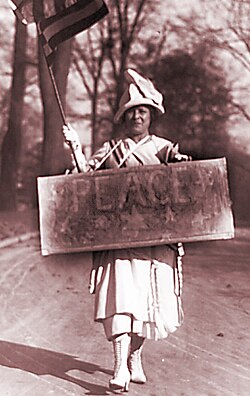
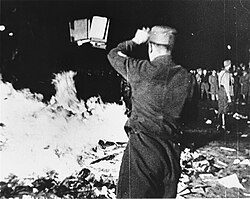
Between the wars, movements grew in Great Britain, Spain, and Germany. However, these movements often faced severe repression. In Germany, the Nazis banned and burned anti-war literature, including Erich Maria Remarque's novel All Quiet on the Western Front.
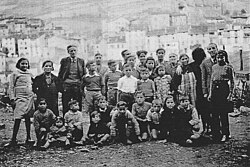
During World War II, pacifism continued in the form of underground resistance and the support of refugees. For example, the War Resisters' International provided refuge for children fleeing the Spanish Civil War in the French Pyrenees.
Later 20th Century Activism
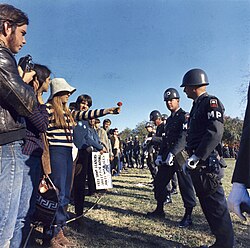
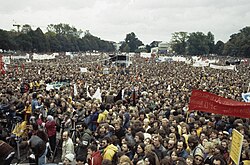
Post-WWII pacifism shifted toward protesting specific military deployments and the nuclear arms race. This included the anti-Vietnam War protests of the 1960s and the 1981 demonstrations against Pershing II missiles in West Germany.
Religious Perspectives on Peace
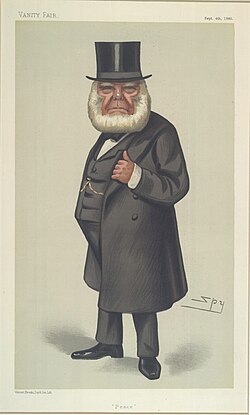
Many world religions provide the ethical scaffolding for pacifist beliefs.
| Religion/Faith | Core Concept or Group | Approach to Peace |
|---|---|---|
| Hinduism/Buddhism/Jainism | Ahimsa | Universal non-harm to all living beings. |
| Christianity | Peace Churches | Adherence to the Sermon on the Mount and non-resistance. |
| Baháʼí Faith | World Order | Pursuit of global unity and the abolition of war. |
| Islam | Sufism / Ahmadiyya | Emphasis on inner peace and nonviolent coexistence. |
| Judaism | Jewish Peace Fellowship | Integration of prophetic calls for peace with modern activism. |
Within Christianity, the Holiness and Pentecostal movements also showed early pacifist tendencies. Research by Jay Beaman indicates that 62% of American Pentecostal groups formed by 1917 showed evidence of pacifism, though many later shifted toward military support and chaplaincy.
Frequently Asked Questions

What is the difference between a pacifist and a conscientious objector?
A pacifist is someone who holds the general philosophy that war and violence are wrong. A conscientious objector is someone who specifically refuses to participate in military service based on those pacifist or moral beliefs.
What is satyagraha?
Satyagraha is a term coined by Mahatma Gandhi, meaning "truth-force." It refers to the practice of nonviolent resistance to injustice, using truth and soul-force rather than physical violence to achieve political or social goals.
Is pacifism always absolute?
No. While absolute pacifists reject all violence, conditional pacifists believe that violence may be permissible in extreme cases, such as to stop a genocide.
How does anarcho-pacifism differ from standard pacifism?
Anarcho-pacifism links the rejection of violence with the rejection of the state. It argues that government structures are inherently violent and must be dismantled to achieve a truly peaceful society.