Overgrazing: Ecological Consequences and Global Impacts
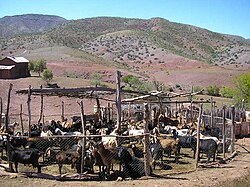
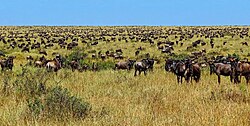
Overgrazing occurs when vegetation is exposed to intensive grazing for extended periods or without sufficient recovery time. This phenomenon can be driven by livestock in poorly managed agricultural systems, game reserves, or nature reserves. It can also be caused by immobile or travel-restricted populations of both native and non-native wild animals.
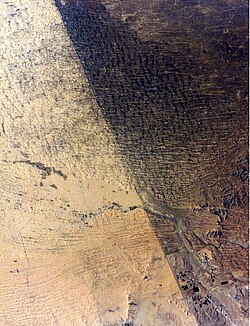
When land is overutilized, it loses its productivity, usefulness, and biodiversity. This process is a significant driver of desertification (the process by which fertile land becomes desert) and soil erosion. Furthermore, overgrazing facilitates the spread of weeds and invasive non-native plant species. The resulting degradation of land, combined with emissions from animal agriculture and the reduction of ecosystem biomass, contributes directly to climate change.
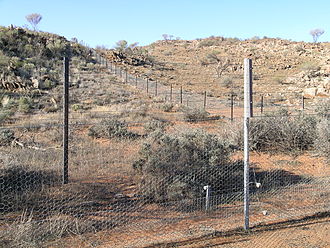
Key Facts
- Overgrazing reduces land productivity and biodiversity.
- It is a primary cause of soil erosion and desertification.
- The process can be caused by livestock, game, or restricted wild animal populations.
- Overgrazing contributes to climate change through land degradation and animal agriculture emissions.
- It often leads to the displacement of native flora by invasive species.
Ecological and Economic Implications
Impact on Soil and Biodiversity
A primary ecological consequence of overgrazing is increased soil erosion. As land is continuously overutilized, degradation leads to poor soil conditions that only xeric (extremely dry) and early successional species can tolerate. A meta-analysis of 148 studies indicates that most ecosystem functions decline as grazing intensity increases, and increasing aridity can weaken the positive impacts of light grazing.
Native plant species, particularly individual bunch grasses and those within grasslands, are especially vulnerable. For instance, excessive browsing by white-tailed deer can lead to the proliferation of less preferred grasses, ferns, or non-native species, which can eventually displace native woody plants and decrease overall biodiversity.
The Tragedy of the Commons
In economic theory, overgrazing is frequently cited as an example of the Tragedy of the Commons, a concept popularized by Garrett Hardin in 1968. Hardin's model suggested that unregulated use of a common resource would inevitably lead to its depletion. However, historical practices in England and Wales tell a different story. In these regions, rights to common land were strictly regulated for "commoners." If excessive use occurred, a commoner could be "stinted," meaning a limit was placed on the number of animals they could graze. This managed approach allowed for the successful conservation of scarce resources through agreed customs and practices.
Regional Case Studies
Africa: The Sahel and Sub-Sahara
In the Sahel region, land degradation and overgrazing have exacerbated violent herder-farmer conflicts in countries such as Nigeria, Mali, and Sudan. This environmental pressure was a factor in the 2010 Sahel famine.
In Sub-Saharan Africa, the effects are equally significant. In Namibia, overgrazing is identified as the primary cause of woody plant encroachment, which occurs at the expense of grasses across up to 45 million hectares of land.
Australia and New Zealand
In Australia, the introduction of European pastoralism in the 19th century led to sheep and cattle overgrazing in many arid zones. This caused long-lived trees and shrubs to be replaced by short-lived annual plants and weeds. The threat was worsened by introduced feral species like rabbits, cats, and foxes, leading to the extinction or endangerment of many bird species and desert mammals. Even native species can cause issues; in 2013, the Australian Capital Territory authorized a cull of 1,455 kangaroos due to overgrazing.
In New Zealand, overgrazing threatens native flora and fauna, particularly native bushes. Invasive species such as mustelids, rabbits, hares, and possums often consume the plants that stabilize the soil. This results in unstable, crumbly ground that is prone to collapse during extreme weather events like floods or heavy rain. To date, 40% of New Zealand's native species have been wiped out by various pests, including humans.
The Caribbean
In the Caribbean, livestock farming is a vital source of food security and livelihood. However, when livestock consume vegetation faster than it can be renewed, it leads to land degradation and soil erosion. This reduces livestock yields and income while weakening the ecosystem's ability to control carbon dioxide and mitigate risks from floods and droughts.
Summary of Regional Impacts
| Region | Primary Consequences | Key Drivers/Factors |
|---|---|---|
| Sahel (Africa) | Conflict and famine | Land degradation and herder-farmer tensions |
| Namibia | Woody plant encroachment | Loss of grass cover over 45 million hectares |
| Australia | Loss of native flora/fauna | Pastoralism and invasive feral species |
| New Zealand | Soil instability and species loss | Invasive pests (rabbits, possums, etc.) |
| Caribbean | Reduced yields and erosion | Small-scale livestock farming exceeding renewal rates |
Frequently Asked Questions
What is the main cause of overgrazing?
Overgrazing is caused by intensive grazing over long periods without sufficient recovery time for plants. This can be due to poorly managed livestock, game reserves, or restricted populations of wild animals.
How does overgrazing contribute to climate change?
Overgrazing contributes to climate change through the degradation of land, emissions from animal agriculture, and the reduction of biomass within an ecosystem.
Can native animals cause overgrazing?
Yes. Overgrazing can be caused by native species, such as the kangaroo cull authorized in the Australian Capital Territory in 2013.
What is the difference between the economic theory and historical practice of common land?
While the "Tragedy of the Commons" theory suggests unregulated common land leads to ruin, historical practice in England and Wales showed that strict regulations and "stinting" (limiting animal numbers) could successfully conserve resources.
How does overgrazing affect soil stability?
Overgrazing removes the vegetation that holds soil together. This makes the ground unstable and prone to erosion and collapse, especially during extreme weather events like heavy rain or floods.