Oscar Niemeyer: The Visionary Architect of Brazilian Modernism
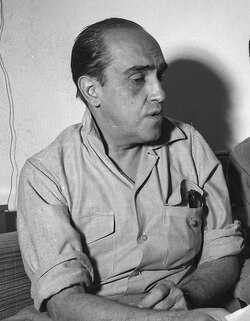
Oscar Niemeyer was a titan of 20th-century design, a Brazilian architect whose mastery of reinforced concrete—a composite material made of concrete and steel bars—transformed the global architectural landscape. Known for his rejection of the straight line in favor of sensual, flowing curves, Niemeyer's work defined the visual identity of Brazil's capital, Brasília, and influenced modern civic architecture worldwide.
Over a prolific career spanning 78 years, Niemeyer designed approximately 600 projects. His philosophy blended structural innovation with a bold aesthetic, creating landmarks that felt both futuristic and organic.
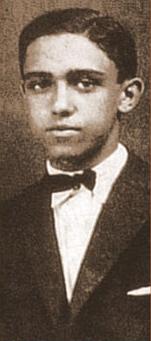
Key Facts
- Full Name: Oscar Ribeiro de Almeida Niemeyer Soares Filho.
- Major Achievement: Lead designer of the civic buildings for Brasília, Brazil's planned capital.
- Signature Style: Extensive use of reinforced concrete to create free-form, curved structures.
- Top Honors: Recipient of the 1988 Pritzker Architecture Prize and the 1998 RIBA Royal Gold Medal.
- Political Affiliation: Lifelong socialist and president of the Brazilian Communist Party (PCB) from 1992 to 1996.
- Longevity: Continued designing projects into his 100s, passing away at age 104.
Early Life and Education
Born on December 15, 1907, in Rio de Janeiro, Niemeyer spent his youth as a bohemian Carioca (a native of Rio). He married Annita Baldo in 1928 and pursued his formal education at the National School of Fine Arts in Rio de Janeiro, where he earned a BA in architecture in 1934.
The Rise of a Modernist
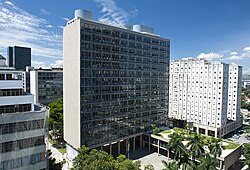
Niemeyer's career trajectory shifted in 1936 when he joined a team led by Lúcio Costa to design the headquarters of the Ministry of Education and Health in Rio de Janeiro. This project brought him into close contact with the Swiss-French pioneer Le Corbusier, who served as a consultant. Niemeyer's ability to refine and evolve Corbusier's drafts eventually led him to take leadership of the project in 1939.
Expanding the Architectural Vocabulary
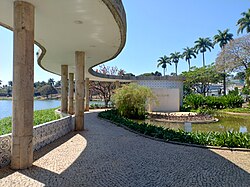
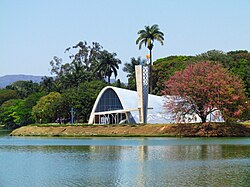
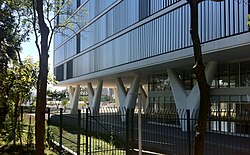
Throughout the 1940s and 50s, Niemeyer moved beyond traditional forms. In the Pampulha project, he experimented with parabolic arches, eventually transitioning toward a more fluid exploration of concrete. His international reputation grew through collaborations, including his work on the United Nations headquarters in New York, where his designs were merged with those of Le Corbusier.
The Design of Brasília and Global Influence
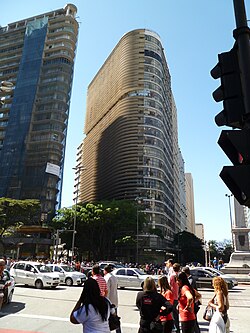
Niemeyer's most enduring legacy is the city of Brasília. As the primary architect for the city's civic buildings, he created a planned capital that served as a symbol of Brazil's modernization. His work here solidified his status as a key figure in modern architecture.
Political Exile and International Work
Niemeyer's commitment to left-wing ideology and the Brazilian Communist Party (PCB) often clashed with political regimes. Following the 1964 military coup in Brazil, he went into exile and opened an office in Paris. His political views also hindered his ability to work in the United States; despite being appointed dean of the Harvard Graduate School of Design in 1953, the U.S. government denied him a visa due to his communist affiliations.
Later Years and Enduring Legacy
Returning to Brazil in 1985, Niemeyer entered a late-career renaissance. He designed the Niterói Contemporary Art Museum (1996) and the Oscar Niemeyer Museum (2002). Even at age 100, he remained active, receiving the Order of Friendship from Vladimir Putin and designing the Serpentine Gallery Summer Pavilion in London at age 96.
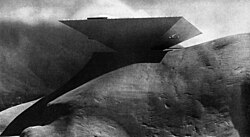
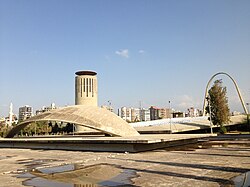
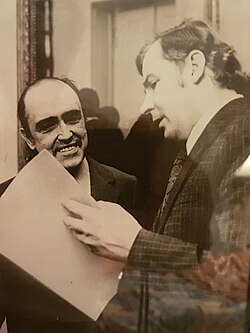
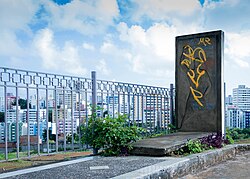
Niemeyer passed away on December 5, 2012, in Rio de Janeiro at the age of 104. He left behind a portfolio of hundreds of projects that continue to inspire architects to challenge the rigidity of straight lines.
Summary of Career and Achievements
| Category | Details |
|---|---|
| Lifespan | 1907 – 2012 (104 years) |
| Key Material | Reinforced Concrete |
| Major Projects | Brasília Civic Buildings, UN Headquarters, Niterói Museum |
| Primary Awards | Pritzker Prize (1988), RIBA Royal Gold Medal (1998), Lenin Peace Prize (1963) |
| Political Stance | Socialist / Brazilian Communist Party (PCB) |
Frequently Asked Questions
What is Oscar Niemeyer most famous for?
Niemeyer is most famous for designing the civic buildings of Brasília, the planned capital of Brazil, and for his pioneering use of reinforced concrete to create curved, organic architectural forms.
How did politics affect Niemeyer's career?
His membership in the Brazilian Communist Party led to his exile from Brazil after the 1964 military coup. Additionally, his political views resulted in the U.S. government denying him visas to teach at Yale and Harvard.
What was Niemeyer's relationship with Le Corbusier?
Niemeyer worked closely with Le Corbusier during the design of the Ministry of Education and Health in Rio de Janeiro and later collaborated with him on the United Nations headquarters in New York.
Which major awards did Oscar Niemeyer receive?
He received some of the highest honors in architecture, including the Pritzker Architecture Prize in 1988, the RIBA Royal Gold Medal in 1998, and the Praemium Imperiale in 2004.
How many projects did Niemeyer complete during his life?
Over a career spanning 78 years, Oscar Niemeyer designed approximately 600 projects.