Brasília: The Modernist Masterpiece of Brazil's Federal Capital
Perched on the Brazilian highlands of the Central-West region, Brasília stands as one of the most ambitious urban experiments of the 20th century. Founded on April 21, 1960, this purpose-built city was designed to shift the nation's political center away from the coast and stimulate development in the interior of Brazil. Known as the "Capital of Hope," Brasília is not merely a seat of government but a living monument to modernist architecture and urban planning.
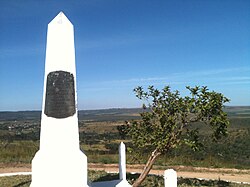
The city's origins date back to 1922, when the foundation stone was laid at Centennial Hill to commemorate the 100th anniversary of Brazil's independence.
Key Facts
- Founded: April 21, 1960.
- Status: Federal capital of Brazil, located within the Federal District.
- UNESCO Status: Designated as a Cultural World Heritage Site in 1987.
- Population: Approximately 2,996,899 in the federal capital (2025) and 3,548,438 in the metropolitan area.
- Economy: Boasts the highest GDP per capita in Brazil (2015 estimate: $21,779).
- Human Development: Ranked 1st in Brazil for HDI (0.814 in 2021).
The Vision: The Costa Plan and Construction
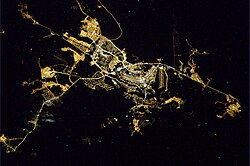
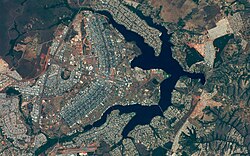
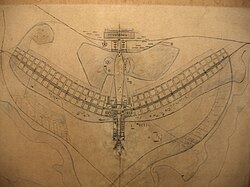
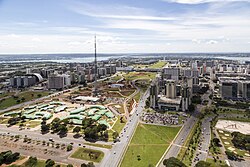
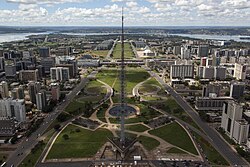
Brasília was the result of a rigorous competition for its construction project, won by urban planner Lúcio Costa. Costa's vision, known as the Plano Piloto (Pilot Plan), organized the city into a layout resembling an airplane or a bird, designed to facilitate efficient movement and zoning.
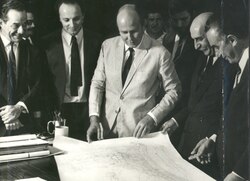
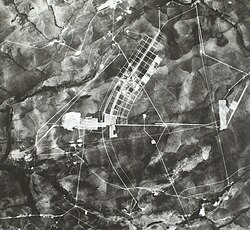
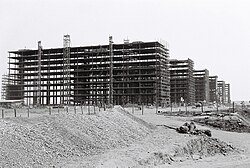
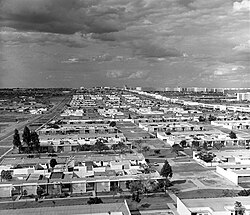
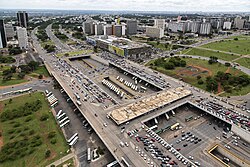
The construction was a rapid and monumental effort. By 1958, the South Wing (Asa Sul) was already being leased, and the Ministries Esplanade began to take shape in 1959. This era of construction transformed the landscape into a hub of administrative power and modernist aesthetics.
Architecture and Urbanism
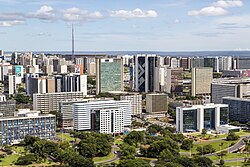
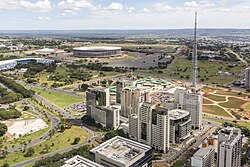
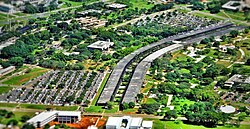
The city is world-renowned for its modernist architecture, characterized by the sweeping curves and bold concrete structures of Oscar Niemeyer. The city is organized around the Monumental Axis, a central corridor that houses the most significant government buildings.
The Three Powers Plaza
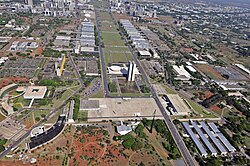
At the heart of the city lies the Praça dos Três Poderes (Three Powers Plaza), which symbolizes the democratic balance of the Brazilian state. It brings together the Palácio do Planalto (Executive), the National Congress (Legislative), and the Supreme Court (Judicial).
Landmark Structures
Beyond the government centers, Brasília is home to several architectural icons:
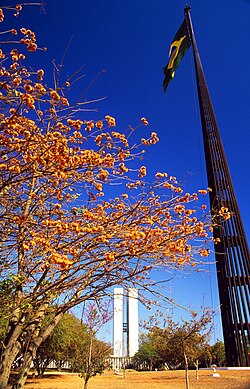
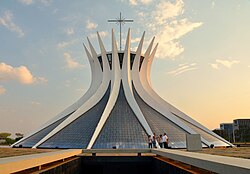
- The Cathedral of Brasília: A hyperboloid structure that blends light and concrete.
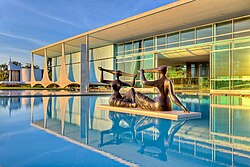
- Palácio da Alvorada: The official residence of the President.
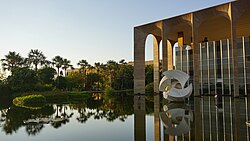
- Itamaraty Palace: The headquarters of the Ministry of Foreign Affairs.
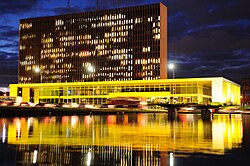
- JK Memorial: Dedicated to Juscelino Kubitschek, the president who drove the city's creation.
City Infrastructure and Geography
Brasília is situated at an elevation of 1,172 meters. Its climate is characterized by a distinct wet season (October to March) and a very dry season (May to September), with average annual precipitation of 1,478.8 mm.
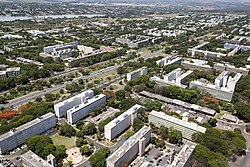
The city's layout includes specialized sectors to separate residential, commercial, and administrative activities, such as the South Banking Sector and the South Hotel Sector.
Transportation and Connectivity
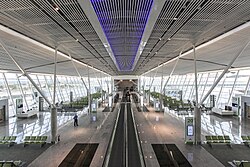
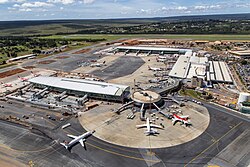
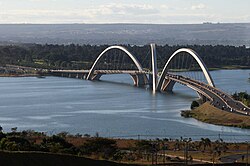
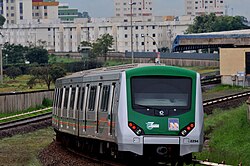
The city is served by the Brasília International Airport (BSB) and the Federal District Metro. For road travel, the Juscelino Kubitschek Bridge serves as a modern engineering landmark connecting different parts of the city.
Demographics and Society
The population of Brasília is diverse, with a significant mixed-race majority (48.7%), followed by White (40.0%) and Black (10.7%) residents. The city is a melting pot of people from across Brazil, often referred to by the slang term Candango, which originally described the laborers who built the city.
Religiously, the city remains predominantly Catholic (49.74%), with a strong Protestant presence (29.21%).
Summary of City Statistics
| Category | Detail |
|---|---|
| Coordinates | 15°47′38″S 47°52′58″W |
| Area (Federal Capital) | 5,802 km² |
| Elevation | 1,172 m |
| Motto | "Venturis ventis" (To the coming winds) |
| UNESCO Designation | Cultural (1987) |
| Time Zone | UTC−03:00 (BRT) |
Sports and Culture
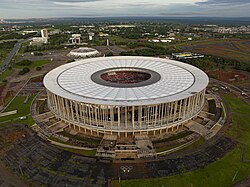
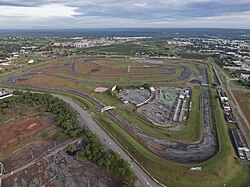
Brasília has hosted major international sporting events, including the 2013 FIFA Confederations Cup and the 2014 FIFA World Cup. The Estádio Nacional Mané Garrincha is the city's premier sporting venue.
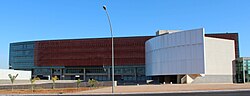
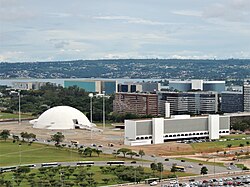
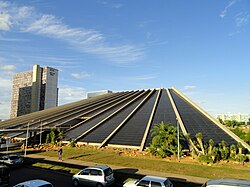
Culturally, the city offers the Cultural Complex of the Republic, which includes the National Library of Brasília and the National Museum of the Republic, as well as the Cláudio Santoro National Theater.
Frequently Asked Questions
Why was Brasília built?
Brasília was created to move the capital from Rio de Janeiro to a more central location, aiming to encourage the development of Brazil's interior and provide a neutral administrative center.
What is the "Plano Piloto"?
The Plano Piloto is the original urban design by Lúcio Costa, which shaped the city into a layout resembling an airplane, organizing the city into specific functional sectors.
Who were the primary architects of the city?
While Lúcio Costa was the urban planner, Oscar Niemeyer was the primary architect responsible for the city's iconic modernist buildings.
Is Brasília a UNESCO World Heritage site?
Yes, Brasília was designated as a UNESCO World Heritage site in 1987 due to its unique cultural and architectural significance.
What does the term "Candango" mean?
"Candango" is a slang term used to describe the migrant workers who came from various parts of Brazil to build the city during its construction in the late 1950s.