Orson Welles: The Visionary Architect of Modern Cinema and Radio
George Orson Welles was more than just a filmmaker; he was a polymath of the 20th century. As an actor, director, producer, and screenwriter, Welles fundamentally altered the landscape of storytelling. From the sonic chaos of early radio to the visual depth of the silver screen, his work is characterized by a relentless drive for innovation and a daring approach to artistic expression.
His legacy is anchored by Citizen Kane, often cited as one of the greatest films ever made, but his influence extends far beyond a single masterpiece. Welles bridged the gap between high art and popular entertainment, blending Shakespearean gravity with the populist energy of the airwaves.
Key Facts
- Full Name: George Orson Welles (1915–1985).
- Primary Roles: Film director, producer, screenwriter, and actor.
- Defining Work: Directed and starred in Citizen Kane (1941).
- Radio Legacy: Famous for the 1938 broadcast of The War of the Worlds.
- Technical Innovation: Pioneered the use of deep focus (or pan focus), where the foreground, middle ground, and background are all in sharp focus.
- Theatrical Roots: Founded the Mercury Theatre and was Broadway's youngest impresario at age 22.
Early Life and the Rise of a Prodigy
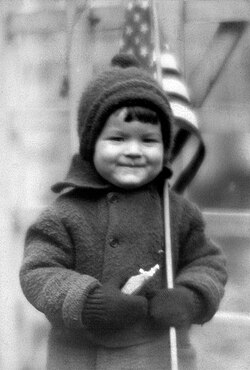
Born in 1915, Welles showed early signs of the versatility that would define his career. The son of Beatrice Ives Welles, a concert pianist, he was immersed in the arts from a young age. By the time he was ten, he was already identifying as a cartoonist, actor, and poet.

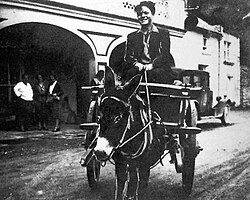
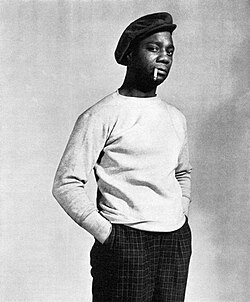
His formal education included time at the Todd School for Boys, where he continued to hone his craft. After graduating at 16, Welles spent time sketching and painting across Ireland and the Aran Islands, traveling by donkey cart—a testament to his lifelong curiosity and adventurous spirit.
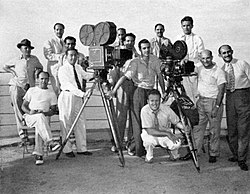
![Welles (fourth from left) with classmates at the Todd School for Boys (1931)[25]](/images/61/41/6141d24d4983e88d70d8ece88dd1d5d6e8e16d47fde05e1a6a4d9d968acb9e2a.jpg)
The Mercury Theatre and Radio Stardom
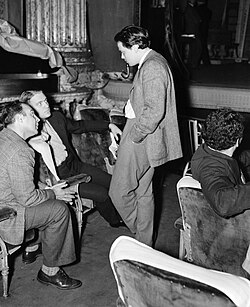
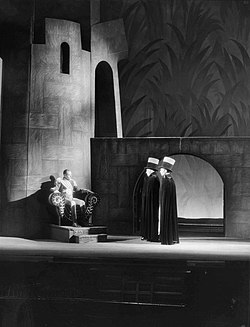
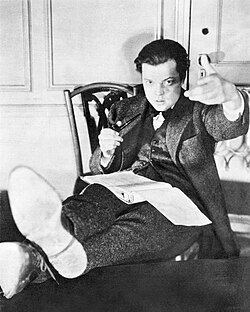
Before conquering Hollywood, Welles dominated the New York stage and radio. He made his professional American stage debut during Katharine Cornell's transcontinental repertory tour in 1933–1934. By 1938, he had become a sensation as Broadway's youngest impresario, producing and starring in a record-breaking adaptation of Julius Caesar.

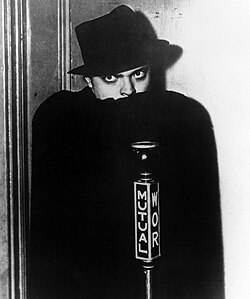
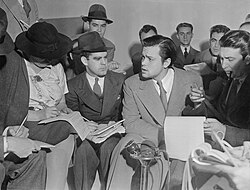
Welles's transition to radio brought him unprecedented fame. He voiced The Shadow on the Mutual radio network and led the Mercury Theatre on the Air. His most infamous achievement came on October 31, 1938, with the broadcast of The War of the Worlds, which simulated a Martian invasion and caused widespread public alarm.
Hollywood Innovation and the Golden Age
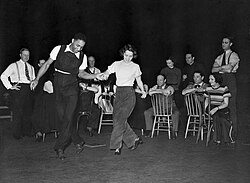
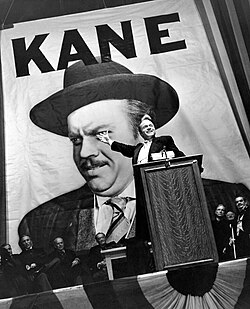
In 1941, Welles released Citizen Kane, a film that revolutionized cinematography. Working with cinematographer Gregg Toland, Welles utilized deep focus to create complex compositions that allowed the audience to see multiple planes of action simultaneously, adding psychological depth to the narrative.
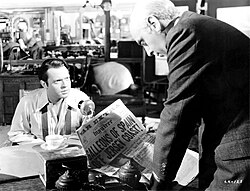
Following this success, Welles tackled other ambitious projects, including The Magnificent Ambersons and the unfinished It's All True, the latter of which took him to Brazil. Despite his genius, his relationship with studios was often fraught, leading him to work independently or abroad for much of his later career.
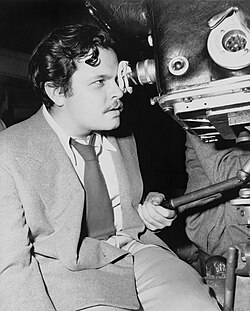
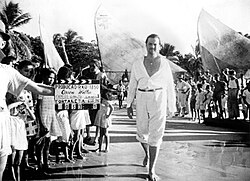
Global Career and Later Years
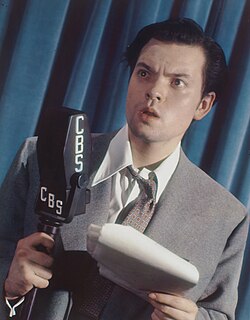
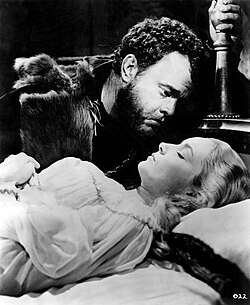
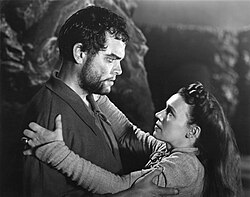
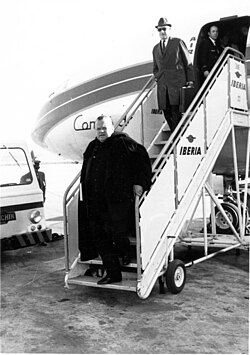
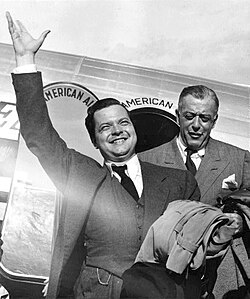
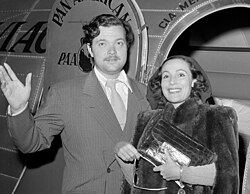
Welles spent significant time in Europe between 1948 and 1970, directing and starring in films such as Othello and Mr. Arkadin. He returned to Hollywood for the 1958 noir classic Touch of Evil, which remains a masterclass in tension and camera movement.
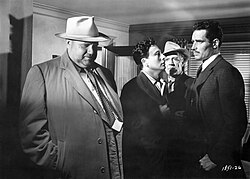
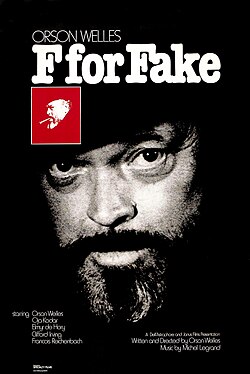
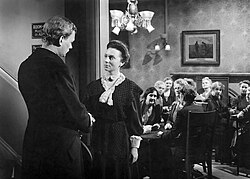
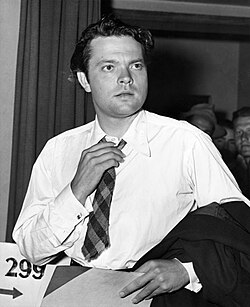
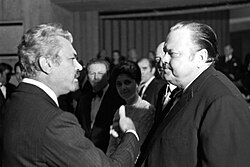
In his final decades, Welles continued to experiment with the medium, producing the film essay F for Fake (1974). He also remained active in politics and activism, advocating for justice for veterans and participating in anti-nuclear rallies.
Personal Life and Relationships
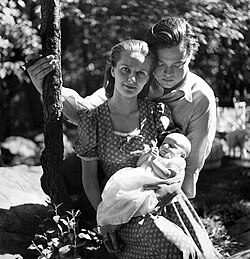
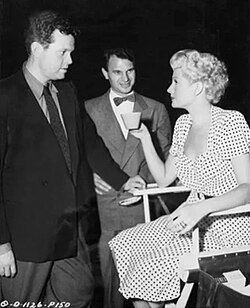
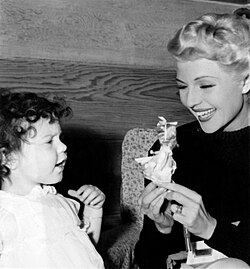
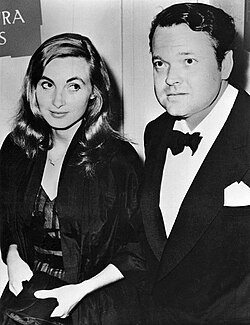
Welles's personal life was as complex as his professional one. He was married three times: first to Virginia Nicolson, then to actress Rita Hayworth, and finally to Paola Mori. He had three daughters: Christopher, Rebecca, and Beatrice.
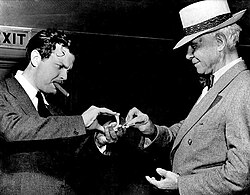
![Rita Hayworth took a lunch-hour break from the set of Cover Girl to marry Welles, with best man Cotten (September 7, 1943).[106]: 91](/images/9f/ca/9fca8f485c20163d714c278d431cd9ee7a83756566d7b91fd851fcab60c88f47.jpg)
| Category | Details |
|---|---|
| Active Years | 1931–1985 |
| Key Films | Citizen Kane, Touch of Evil, Chimes at Midnight, F for Fake |
| Radio Highlights | The War of the Worlds, The Shadow |
| Spouses | Virginia Nicolson, Rita Hayworth, Paola Mori |
| Major Innovation | Deep Focus Cinematography |
Frequently Asked Questions
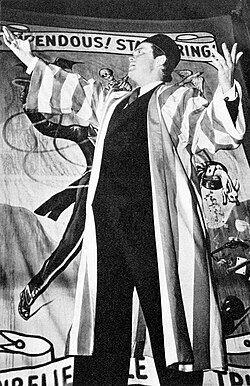
![Welles introduced Vice President Henry A. Wallace at a Madison Square Garden rally advocating a fourth term for President Franklin D. Roosevelt (September 21, 1944).[18]: 385](/images/e2/7f/e27f297b53a0005d44765b4a0002e8e84cce3b60ca11b39b21532a2602ce0af7.jpg)
What is deep focus in cinematography?
Deep focus, or pan focus, is a technique where the foreground, middle ground, and background are all kept in sharp focus simultaneously. Orson Welles and Gregg Toland used this in Citizen Kane to create a more immersive and realistic sense of space.
Why was The War of the Worlds broadcast so controversial?
The 1938 radio broadcast presented a fictional Martian invasion as a series of simulated news bulletins. Because it sounded like a real emergency broadcast, many listeners believed the invasion was actually happening, leading to widespread panic.
Which films are considered Orson Welles's most important?
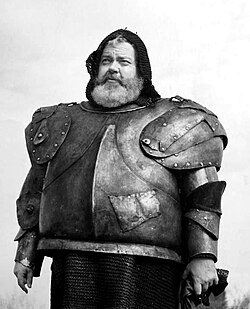
While Citizen Kane is his most famous and influential work, Touch of Evil is highly regarded for its technical brilliance, and Chimes at Midnight is praised as one of the finest adaptations of Shakespeare.
Did Orson Welles do anything other than film and radio?
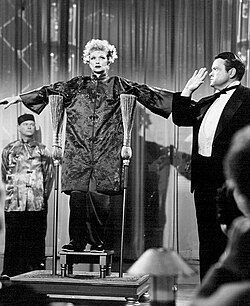
Yes, Welles was a skilled magician and often performed card tricks and illusions. He was also a dedicated political activist and a prolific theatre director and producer.
How many children did Orson Welles have?
Orson Welles had three daughters: Christopher Welles Feder, Rebecca Welles Manning, and Beatrice Welles.