Organisation of African, Caribbean and Pacific States (OACPS)
The Organisation of African, Caribbean and Pacific States (OACPS) is a strategic international grouping of nations across Africa, the Caribbean, and the Pacific Islands. Established on June 6, 1975, through the Georgetown Agreement, the organization was originally known as the African, Caribbean and Pacific Group of States (ACP). Its primary mission is to foster sustainable development, reduce poverty within its member states, and facilitate their deeper integration into the global economy.
The OACPS maintains a significant global footprint. Together with the European Union (EU), the organization represents over 1.5 billion people and holds more than half of the seats at the United Nations. Headquartered in Brussels, Belgium, the organization is currently led by Secretary General Moussa Saleh Batraki and operates with English and French as its official languages.
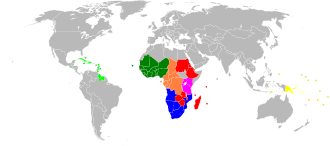
Key Facts
- Established: June 6, 1975, via the Georgetown Agreement.
- Primary Goals: Poverty reduction and sustainable economic development.
- Key Partnership: The Cotonou Agreement governs relations with the European Union (except for Cuba).
- Global Reach: Represents over 1.5 billion people combined with the EU.
- Headquarters: Brussels, Belgium.
The Cotonou Agreement and EU Partnership
The relationship between the OACPS and the European Union is primarily defined by the Cotonou Agreement, signed in June 2000 in Cotonou, Benin. This agreement succeeded the earlier Lomé Conventions and introduced a more inclusive approach to development.
Unlike its predecessors, the Cotonou Agreement extends partnerships beyond national governments to include new actors such as civil society, trade unions, the private sector, and local authorities. These stakeholders are involved in planning national development strategies and have access to financial resources to implement essential programs.
Economic Partnership Agreements (EPAs)
To facilitate trade and economic growth, the OACPS negotiates Economic Partnership Agreements (EPAs) with the EU. These are organized by regional blocs:
- Africa: Negotiates through five groups, including West Africa, the Economic and Monetary Community of Central Africa, the Southern Africa Development Community (SADC), the East African Community, and Eastern and Southern Africa.
- Caribbean: The CARIFORUM group, comprising all Caribbean Community (CARICOM) countries and the Dominican Republic, manages these negotiations.
- Pacific: Developing member states of the Pacific Islands Forum and Timor-Leste negotiate as a single bloc.
Special Designations and Development Challenges
The OACPS recognizes that different nations face unique geographical and economic hurdles. Under the Cotonou Agreement, specific designations are used to grant more favorable treatment to vulnerable states.
Least-Developed and Landlocked States
Least-developed countries (LDCs) receive targeted support to overcome extreme poverty. While the UN list evolves—for example, Cape Verde graduated from LDC status in 2007, while Senegal (2001) and Timor-Leste (2003) joined—the OACPS continues to track these designations to allocate resources effectively. Similarly, landlocked countries, such as Botswana and Ethiopia, are recognized for the specific logistical challenges they face in international trade.
Island States
Many OACPS members are small island developing states. Because of their isolation and vulnerability to environmental changes, the fourth Lomé Convention (revised in 1995 in Mauritius) and subsequent agreements provide special attention to these nations, including Fiji, Jamaica, and the Seychelles.
| Category | Key Examples / Groups | Primary Focus |
|---|---|---|
| African Groups | SADC, East African Community, West Africa | Regional Economic Integration |
| Caribbean Group | CARIFORUM (CARICOM + Dominican Republic) | Trade and EU-LAC Cooperation |
| Pacific Group | Pacific Islands Forum members, Timor-Leste | Pacific EPA Negotiations |
| LDCs | Benin, Haiti, Rwanda, Vanuatu | Poverty Reduction |
| Landlocked | Chad, Mali, Zambia, Zimbabwe | Trade Access |
| Island States | Bahamas, Mauritius, Papua New Guinea | Special Island Vulnerabilities |
Organizational Structure and Framework
The OACPS operates through several organs and technical centers to ensure the implementation of its goals. Key entities include the ACP–EU Joint Parliamentary Assembly and the European Centre for Development Policy Management. Additionally, the Technical Centre for Agricultural and Rural Cooperation (CTA) focuses on improving food security and rural livelihoods.
Frequently Asked Questions
What is the main purpose of the OACPS?
The OACPS aims to promote sustainable development and poverty reduction among its member states in Africa, the Caribbean, and the Pacific, while helping them integrate more effectively into the global economy.
How does the Cotonou Agreement differ from the Lomé Conventions?
The Cotonou Agreement expanded the partnership to include non-governmental actors, such as civil society, the private sector, and trade unions, in the planning and implementation of development strategies.
Which countries are excluded from the Cotonou Agreement?
While most OACPS member states are signatories, Cuba is a notable exception and is not a signatory to the Cotonou Agreement.
What are Economic Partnership Agreements (EPAs)?
EPAs are trade and economic agreements negotiated between the European Union and regional groups of OACPS states to facilitate trade and foster economic growth.
Why are some OACPS states given "favorable treatment"?
Certain states are designated as Least-Developed Countries (LDCs), landlocked, or island states. These designations acknowledge the specific economic and geographical challenges these nations face, granting them more supportive terms under the Cotonou Agreement.