Order of the Bath
The Most Honourable Order of the Bath is a prestigious British order of chivalry awarded by the monarch of the United Kingdom. Established on May 18, 1725, by King George I, the Order recognizes exceptional service to the Crown. It is one of the oldest and most senior orders in the British honours system, blending medieval tradition with contemporary recognition of military and civil merit.
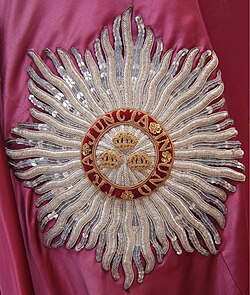
The Order is divided into two distinct branches: the Civil Division and the Military Division. Each carries its own motto; the Civil Division uses Tria juncta in uno ('Three joined in one'), while the Military Division uses Ich dien ('I serve').
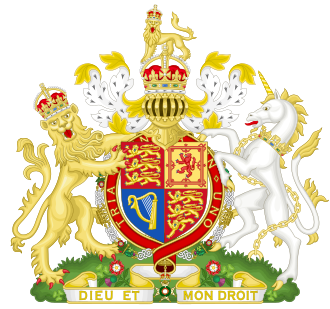
Key Facts
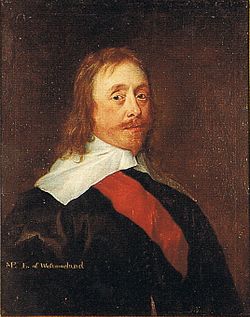
- Founded: May 18, 1725, by King George I.
- Sovereign: King Charles III.
- Great Master: William, Prince of Wales.
- Highest Rank: Knight/Dame Grand Cross (GCB).
- Chapel: Henry VII Chapel in Westminster Abbey.
- Eligibility: Awarded for distinguished service to the Crown.
History and Evolution
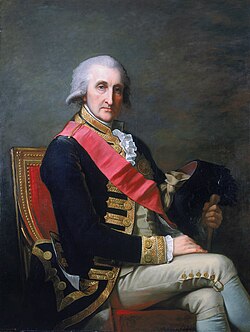
Foundation and Early Years
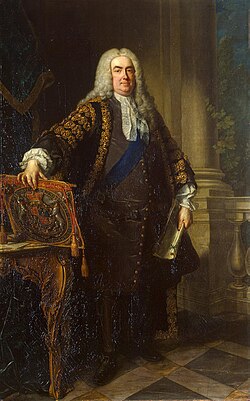
Upon its creation in 1725, the Order initially consisted of Knights Companion (KB). The early membership was diverse, including members of the House of Commons, diplomats, naval and army officers, and the Royal Household. Notably, Sir Robert Walpole, the first Prime Minister, utilized the Order for political patronage.
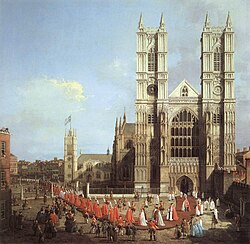
While the original statutes outlined elaborate medieval ceremonies for creating knights, these were largely dispensed with by the Great Master. The Installation ceremony, however, was performed in the Order's Chapel at Westminster Abbey until 1812, after which it was paused until its 20th-century revival.
Restructuring and Modernization
The Order underwent significant restructuring in 1815 to expand its capacity and refine its grades. Further revisions occurred in 1847 and 1925 to consolidate statutes and modernize the Order's administration. A landmark change occurred in 1971 when women were first admitted to the Order, with Jean Nunn becoming the first female member. In 1975, Princess Alice, Duchess of Gloucester, became the first woman to achieve the highest rank of Dame Grand Cross.
Composition and Hierarchy
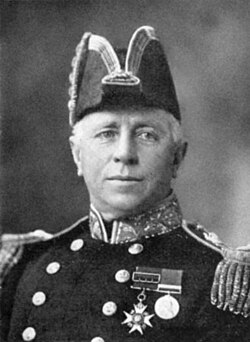
The Order is led by the Sovereign, with the Great Master serving as the next-most senior member. The current Great Master is William, Prince of Wales, who succeeded King Charles III in 2024.
Grades of the Order
The Order is organized into three primary levels of membership:
- Knight/Dame Grand Cross (GCB): The highest rank, limited to 120 members.
- Knight/Dame Commander (KCB/DCB): The second rank, limited to 355 members.
- Companion (CB): The third rank.
| Rank | Post-nominal | Membership Limit | Division |
|---|---|---|---|
| Knight/Dame Grand Cross | GCB | 120 | Civil & Military |
| Knight/Dame Commander | KCB / DCB | 355 | Civil & Military |
| Companion | CB | N/A | Civil & Military |
Insignia and Heraldry
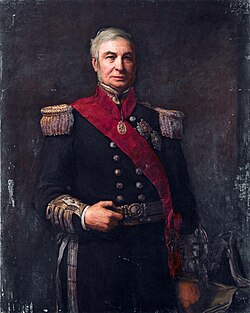
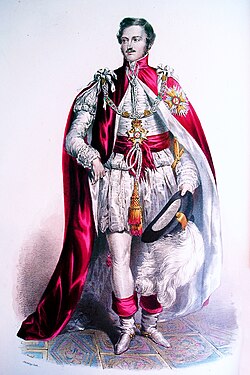
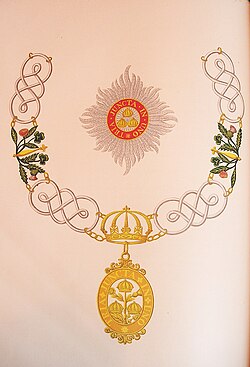
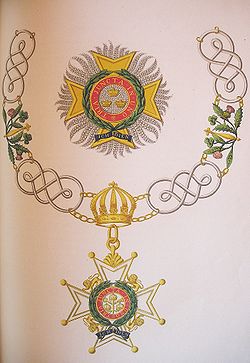
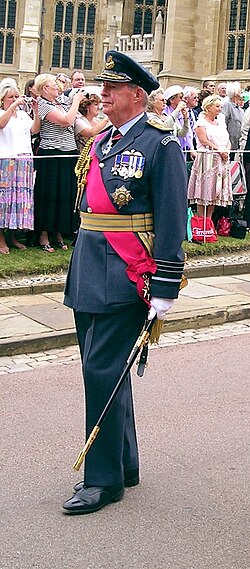
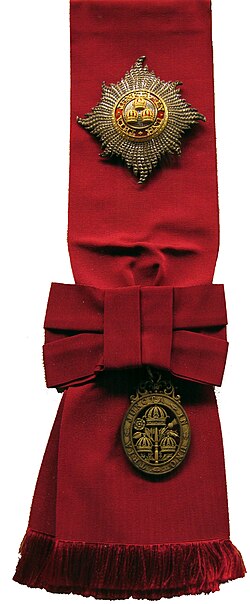
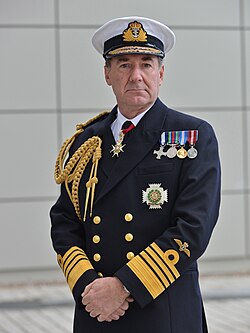
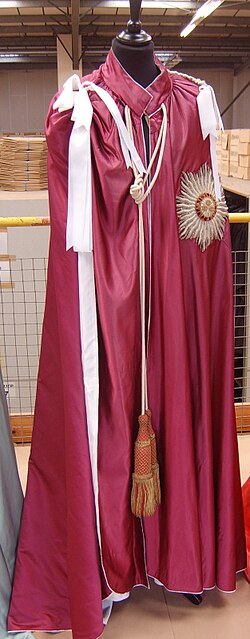
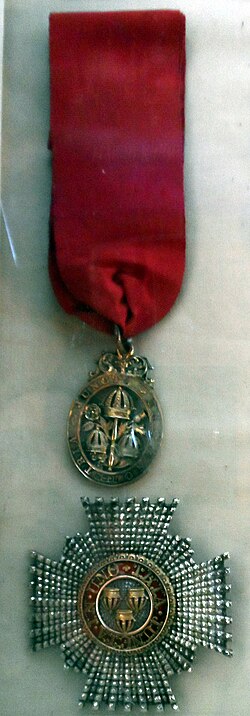
The insignia of the Order varies by rank and division. Knights Grand Cross wear a mantle, a riband (sash), and a star. In the 19th century, these mantles were worn over imitations of 17th-century dress, but they are now worn over contemporary attire.
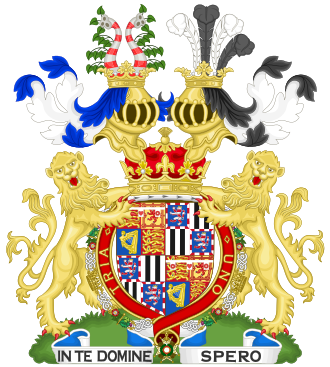
The Military Division's insignia is distinct from the Civil Division's. For example, the star and neck badge for a Knight Commander of the Civil Division differ in design from those of the Military Division. These honors are often represented in heraldry through the use of a circlet and collar surrounding the recipient's coat of arms.
The Order's Chapel
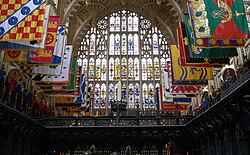
The spiritual home of the Order is the Henry VII Lady Chapel in Westminster Abbey. This site houses the banners of the senior Knights and Dames Grand Cross, serving as a permanent record of the Order's most distinguished members.
Frequently Asked Questions
Who is the current Sovereign of the Order of the Bath?
The current Sovereign is King Charles III.
When were women first allowed to join the Order?
Women were admitted to the Order in 1971, with Jean Nunn being the first woman appointed.
What is the difference between the Civil and Military divisions?
The divisions recognize different types of service to the Crown; they have different mottos (Tria juncta in uno for Civil and Ich dien for Military) and distinct insignia.
What are the three grades of the Order?
The three grades are Knight/Dame Grand Cross (GCB), Knight/Dame Commander (KCB/DCB), and Companion (CB).
Where are the banners of the Knights Grand Cross kept?
The banners are located in the Henry VII Lady Chapel in Westminster Abbey.