British Peerage: Ranks, Roles, and the House of Lords
The peerage is a prestigious form of crown distinction in the United Kingdom, consisting of titled appointments that serve as both a component of the British honours system and a vital part of the legislative process. While the term can refer to the collective body of titled nobility, it also describes individual titles granted to peers of the Realm.
Though the UK is a constitutional monarchy, its peerage system evolved from a historical period of aristocratic governance where power was largely inherited. Today, the peerage represents the highest rung of the British nobility, a formal designation distinct from the broader, less structured British upper class.
Historically, peerages are categorized by the era and region of their creation:
- Peerage of England: Titles created before the Acts of Union in 1707.
- Peerage of Scotland: Titles created before 1707.
- Peerage of Great Britain: Titles created between 1707 and 1801.
- Peerage of the United Kingdom: Most titles created since 1801.
Key Facts

- The peerage consists of five ranks: Duke, Marquess, Earl, Viscount, and Baron.
- Life peers hold their titles for their lifetime only and cannot pass them to heirs.
- Hereditary peers hold titles that can be inherited, typically via male-preference primogeniture.
- The House of Lords serves as a revising chamber, scrutinizing legislation before it becomes law.
- Most new life peerages are created at the rank of baron to allow the holder to sit in Parliament.
The Hierarchy of the Peerage
The British peerage is organized into five distinct ranks in descending order of precedence. Each rank is associated with specific ceremonial dress and headgear known as a coronet.
Ranks and Coronets
- Duke/Duchess: The highest rank; the coronet features eight strawberry leaves.
- Marquess/Marchioness: The coronet features four strawberry leaves and four silver balls (pearls).
- Earl/Countess: The coronet features eight strawberry leaves and eight pearls raised on stalks.
- Viscount/Viscountess: The coronet features sixteen pearls touching one another.
- Baron/Baroness: The lowest rank of the peerage.
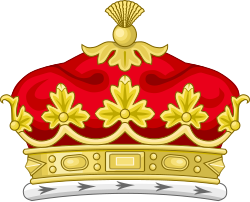
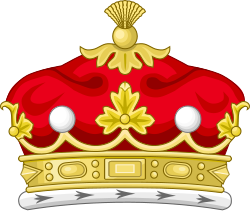
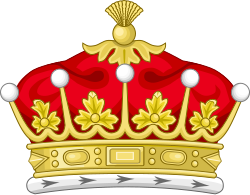
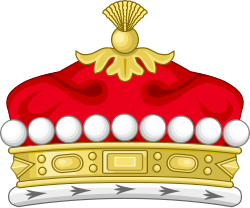
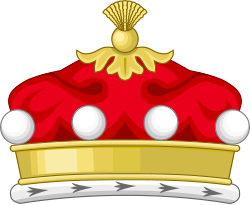
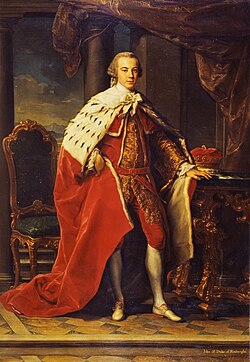
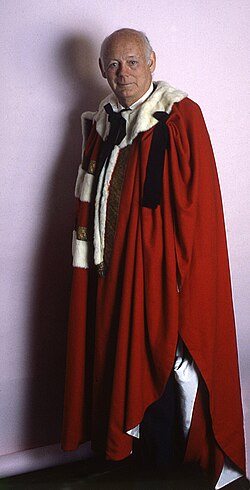
Peers wear ceremonial robes based on their rank during official state occasions.
Creation and Entitlement
All peerages are granted at the discretion of the monarch, who acts as the fount of honour, typically on the advice of the government. There is no legal entitlement to a peerage, though certain conventions exist. For example, retiring Prime Ministers and Speakers of the House of Commons have historically been offered peerages.
Modern appointments generally fall into three categories:
- Political Peers: Nominated by party leaders to strengthen their presence in the House of Lords.
- Working Peers: Appointed with the expectation that they will regularly attend Parliament and take on frontbench duties.
- People's Peers: Non-party political peers nominated by the public through the House of Lords Appointment Commission to sit as crossbenchers.
The House of Lords and Constitutional Functions
The House of Lords is the upper house of the UK Parliament. Its members, known as the Lords Temporal, sit alongside the Lords Spiritual (bishops of the Church of England). Since the Parliament Acts of 1911 and 1949, the House has functioned as a revising chamber, scrutinizing and suggesting changes to bills.
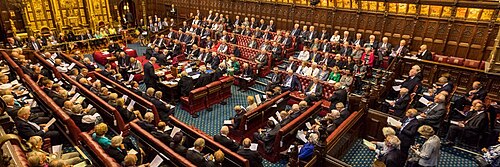
Membership has evolved significantly. The House of Lords Act 1999 removed the automatic right of hereditary peers to sit in the House, leaving only 92 hereditary peers (including the Earl Marshal and the Lord Great Chamberlain). Further reforms under the House of Lords (Hereditary Peers) Act 2026 eventually removed the remaining excepted hereditary peers.
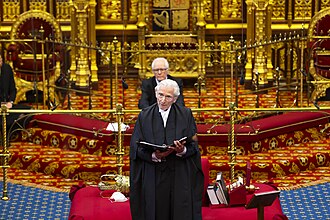
The presiding officer is the Lord Speaker, who is elected by the peers. This replaced the role of the Lord Chancellor as the presiding officer in 2006 to ensure a better separation of powers.
Executive and Judicial History
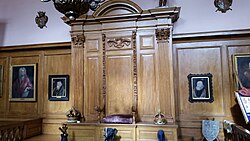
Historically, the House of Lords held significant judicial power. Law Lords (Lords of Appeal in Ordinary) performed judicial functions until the opening of the Supreme Court of the United Kingdom on October 1, 2009. Additionally, peers once held the privilege of being tried by their fellow peers in the House of Lords for felonies or treason, a right abolished by the Criminal Justice Act 1948.
Ceremonial Roles and Traditions
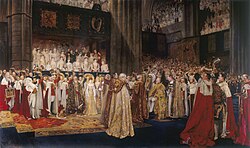
The peerage remains central to the ceremonial life of the monarchy, most notably during coronations where peers wear their robes of state and coronets.
Some individuals may hold multiple peerages through inheritance or achievement, resulting in a compound title, such as the Duke of Buccleuch and Queensberry.
| Peerage Type | Inheritability | Primary Purpose Today | Common Rank |
|---|---|---|---|
| Life Peerage | Non-hereditary | Legislative service in House of Lords | Baron |
| Hereditary Peerage | Inheritable | Historical distinction / Limited legislative seats | Various |
| Law Peerage | Non-hereditary | Former judicial functions (pre-2009) | Baron |
Frequently Asked Questions
What is the difference between a peer and a baronet?
A peer is a member of the nobility who holds a title (such as Baron or Earl) and historically had a right to sit in the House of Lords. A baronetcy is a hereditary knighthood; while it is a hereditary honour, it is not a peerage, and baronets do not have a right to sit in the House of Lords.
Can women inherit hereditary peerages?
Generally, most hereditary peerages follow male-preference primogeniture or agnatic succession. While some titles can pass to female heirs via coparcenary, challenges to change these rules to absolute primogeniture have been denied by the European Court of Human Rights.
Who are the "crossbenchers" in the House of Lords?
Crossbenchers are peers who do not belong to any political party. This group includes "people's peers" nominated by the public through the House of Lords Appointment Commission.
What happens if a peer wants to give up their title?
Under the Peerage Act 1963, a peer may disclaim their peerage. Doing so results in the loss of all privileges associated with the title.
Why are almost all new life peers created as barons?
The Life Peerages Act 1958 restricts the issuing of writs of summons (the document allowing a peer to sit in the House of Lords) to those created at the rank of baron.