British Honours System: Orders, Decorations, and Traditions
In the United Kingdom and its Overseas Territories, the state recognizes exceptional personal bravery, outstanding achievement, and dedicated service through a structured system of honours. This system serves as a formal way to reward merit and valor, blending centuries of tradition with modern administrative processes.
The system is broadly divided into three categories: Honours, which recognize general merit and service; Decorations, which are typically awarded for specific deeds of bravery or gallantry; and Medals.
Key Facts
- The Most Noble Order of the Garter is the oldest order, established in 1348.
- The Victoria Cross is the highest decoration for bravery in the face of the enemy.
- Honours are typically announced through Crown Honours Lists, including New Year and Birthday honours.
- Some Commonwealth realms, such as Australia and New Zealand, have transitioned from imperial honours to their own indigenous systems.
- Honours can be revoked by the state or refused by the recipient.
Orders of Chivalry and Merit
Orders of chivalry are prestigious groups that grant members specific ranks and post-nominal letters (letters placed after a person's name to indicate their rank). These orders range from the most exclusive, such as the Order of the Garter, to the more widely awarded Order of the British Empire.
Current Major Orders
The current system includes several active orders, each with its own founder, motto, and purpose. For example, the Order of Merit is awarded specifically for merit, while the Royal Victorian Order is used for personal service to the monarch.
The Most Excellent Order of the British Empire, established by King George V in 1917, is one of the most recognizable, featuring ranks such as Knight/Dame Grand Cross (GBE), Commander (CBE), Officer (OBE), and Member (MBE).
Dormant and Defunct Orders
As the British Empire declined during the twentieth century, several orders fell into abeyance (became dormant). These include the Most Illustrious Order of Saint Patrick (relating to Ireland) and the Most Exalted Order of the Star of India. The Order of Burma, created in 1940, was particularly rare, with only 33 appointments made before it was discontinued upon Burma's independence in 1948.
Gallantry and Decorations
Unlike orders of merit, decorations are awarded for specific acts of courage. The Victoria Cross (VC), established by Queen Victoria in 1856, remains the premier award for bravery. Other significant decorations include the George Cross (GC) and the Conspicuous Gallantry Cross (CGC), the latter of which is awarded to British and allied forces for acts of conspicuous gallantry during active operations against an enemy.

Specialized Service Awards
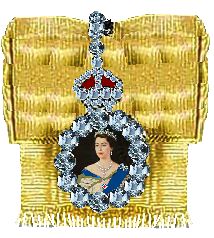
Certain decorations are reserved for specific roles. The Royal Red Cross (RRC) is awarded to members of the Military Nursing Service for exceptional services in military nursing. Other awards, such as the Distinguished Flying Cross (DFC) and Air Force Cross (AFC), recognize excellence and bravery in aviation.
Summary of Major British Orders
| Order Name | Established | Founder | Motto / Purpose | Key Ranks |
|---|---|---|---|---|
| Order of the Garter | 1348 | King Edward III | Honi soit qui mal y pense | Knight/Lady Companion |
| Order of the Thistle | 1687 | King James VII & II | Nemo me impune lacessit | Knight/Lady |
| Order of the Bath | 1725 | King George I | Tria iuncta in uno | GCB, KCB/DCB, CB |
| Order of the British Empire | 1917 | King George V | For God and the Empire | GBE, KBE/DBE, CBE, OBE, MBE |
| Order of Merit | 1902 | King Edward VII | For merit | Member (OM) |
Administration and Controversy
Honours are typically granted through nominations and reviewed by committees. They are often publicized in the New Year and Birthday honours lists, though Prime Ministers may also issue Resignation Honours upon leaving office.
The system has faced scrutiny over the years. In 2006, the "Cash-for-Honours" scandal emerged following revelations regarding donations to the Labour Party. Additionally, analyses have pointed to a lack of diversity in recipients; a 2015 report indicated that 46% of those receiving knighthoods or higher had attended fee-paying public schools, despite such schools representing only 6.55% of the population.
Frequently Asked Questions
Can a person refuse a British honour?
Yes, individuals may decline honours. Notable examples include novelist Joseph Conrad, novelist Graham Greene, and physicist Stephen Hawking, who reportedly declined a knighthood because he did not like titles.
What is the difference between an Order and a Decoration?
Orders are generally used to recognize long-term merit, achievement, or service, often granting a rank within a society. Decorations are typically awarded for specific, singular deeds of bravery or gallantry.
Do other Commonwealth countries still use the British system?
Many have moved toward their own systems. Australia discontinued imperial honours in 1992, and New Zealand replaced them with the New Zealand Order of Merit in 1996.
Can an honour be taken away?
Yes, honours can be revoked. This is handled by the Honours Forfeiture Committee, as seen in the case of former RBS chief executive Fred Goodwin, who was stripped of his knighthood.
What are post-nominal letters?
Post-nominal letters are abbreviations placed after a person's name to signify that they have been awarded a specific honour or rank, such as "OBE" for an Officer of the Order of the British Empire.