Order of the Bath: History and Evolution of a British Honor
The Order of the Bath is one of the most prestigious honors in the British honors system, evolving from medieval purification rituals into a structured order of chivalry. Its journey reflects the shifting priorities of the British state, moving from a tool of royal ceremony and political patronage to a reward for exceptional military and civil service.
The Medieval Origins: Knights of the Bath
In the Middle Ages, becoming a knight was an elaborate process. The ceremony often began with the candidate taking a bath, which served as a symbol of spiritual purification. Following this, the candidate was instructed in the duties of knighthood, spent a night in a chapel vigil, and attended Mass at dawn. The process culminated in the accolade—the essential act of creating a knight—where the King would strike the candidate on the neck with a hand or sword.
Over time, these extensive rituals were reserved for prominent families and major royal events, such as coronations and royal weddings. Those honored during these occasions became known as Knights of the Bath. By the coronation of Charles II in 1661, these specific ceremonies ceased to be used for creating new knights.
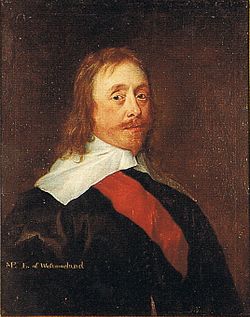
Symbolism and Motto
By 1625, Knights of the Bath adopted the motto Tria juncta in uno (Latin for 'Three joined in one') and a badge featuring three crowns within a gold oval. While the symbolism is debated, it is widely believed to refer either to the Holy Trinity or to the three kingdoms of England, Scotland, and either France or Ireland.
The Foundation of the Order (1725)
The formal Order of the Bath was established on May 18, 1725, under the guidance of John Anstis, the Garter King of Arms. However, the driving political force was Sir Robert Walpole, the de facto head of the government. Walpole viewed the Order as a strategic tool for political patronage, allowing him to grant royal favor to MPs and peers to strengthen his position in Parliament.
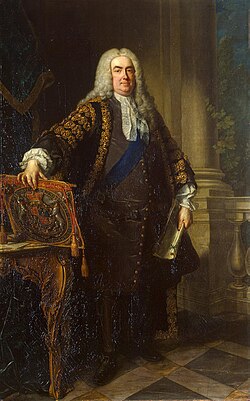
The Order was initially limited to the Sovereign, a Prince of the blood Royal, a Great Master, and 35 Knights Companion. To maintain exclusivity, non-noble knights had to prove "noble ancestry," defined as being armigerous (entitled to bear a coat of arms) for at least three generations on both sides.
While the statutes included the medieval bathing rituals, these were largely ignored in practice. Most original knights were dispensed from the rituals, attending only the Installation ceremony at the Henry VII Chapel in Westminster Abbey.
Expansion and Military Shift
From the 1770s, the Order began to shift away from purely aristocratic appointments toward rewarding naval, military, and diplomatic achievements. This transition accelerated during the Peninsular War, leading to the creation of "Extra Knights" to accommodate the high number of deserving candidates.
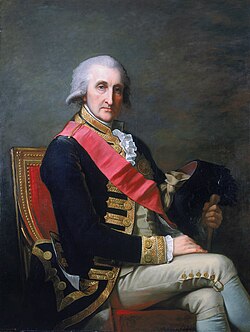
The 1815 Restructuring
Following the Peninsular War, the Prince Regent (later George IV) expanded the Order in January 1815 to ensure that officers who distinguished themselves in war were properly recognized. The Order was divided into three distinct classes:
- Knights Grand Cross (GCB): Limited to 72 members; required the rank of major-general or rear admiral for military members.
- Knights Commander (KCB): Limited to 180 members; required the rank of lieutenant-colonel or post-captain.
- Companions (CB): No specified limit; awarded to those mentioned in despatches or recipients of a medal since 1803.
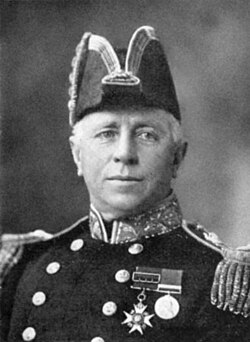
The Victorian Era and Modernization
In 1847, Queen Victoria issued new statutes that removed the word "Military" from the Order's title and established separate Military and Civil Divisions. This opened the ranks of Knight Commander and Companion to civil servants. This era also saw the final abolition of all medieval rituals in favor of a formal Investiture ceremony conducted by the Sovereign.
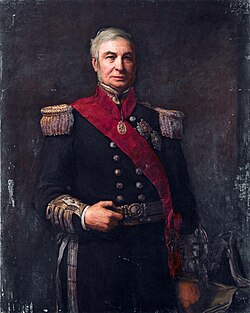
Further reforms in 1859 streamlined the Order's administration. The Crown stopped requiring the return of insignia upon a member's death (except for the Collar) and replaced the fees paid to officers with fixed salaries.
The Contemporary Order
In 1913, King George V revived the Installation ceremony in the Henry VII Chapel. To accommodate the growing number of members, the chapel was adapted through the creation of the "Bath Chapel Fund."
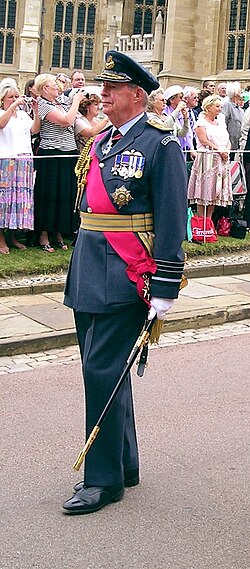
A significant milestone occurred in 1971 when women were first admitted to the Order, starting with Jean Nunn. In 1975, Princess Alice, Duchess of Gloucester, became the first woman to achieve the rank of Dame Grand Cross.
Key Facts
- Founded: May 18, 1725.
- Motto: Tria juncta in uno ("Three joined in one").
- Classes: Knight Grand Cross (GCB), Knight Commander (KCB), and Companion (CB).
- Divisions: Split into Military and Civil divisions in 1847.
- Installation Site: Henry VII Chapel, Westminster Abbey.
- First Woman Member: Jean Nunn (1971).
| Period/Year | Key Change | Primary Purpose |
|---|---|---|
| Middle Ages | Knights of the Bath | Royal ceremony and spiritual purification |
| 1725 | Formal Order established | Political patronage for Sir Robert Walpole |
| 1815 | Three-class structure | Recognition of Peninsular War veterans |
| 1847 | Civil Division created | Expansion to non-military merit |
| 1971 | Admission of women | Modernization of eligibility |
Frequently Asked Questions
What does the motto "Tria juncta in uno" mean?
The motto translates to "Three joined in one." It is believed to refer either to the Holy Trinity or to the three kingdoms of England, Scotland, and either France or Ireland.
Why was the Order of the Bath originally created?
While it drew on medieval traditions, it was formally established in 1725 largely to provide Sir Robert Walpole with a source of political favors to secure support in Parliament.
What are the different ranks within the Order?
The Order consists of three classes: Knights Grand Cross (the highest rank), Knights Commander, and Companions.
When were women first allowed to join the Order?
Women were admitted to the Order in 1971, with Jean Nunn being the first recipient. The first woman to reach the rank of Dame Grand Cross was Princess Alice, Duchess of Gloucester, in 1975.
Where does the Installation ceremony take place?
The Installation ceremony is held in the Henry VII Chapel at Westminster Abbey.