Order of Canada: Canada's Highest Civilian Honour
The Order of Canada is a prestigious national order established to recognize outstanding achievement, dedication to the community, and service to the nation. Founded on April 17, 1967, by Queen Elizabeth II, it serves as the centerpiece of the Canadian honours system, celebrating individuals who have made a profound difference in the lives of others and the country as a whole.
Guided by the Latin motto Desiderantes meliorem patriam, which translates to "They desire a better country," the Order is awarded by the Crown of Canada. It is open to all living Canadians, though federal and provincial politicians and judges are ineligible while holding office.
Key Facts
- Established: April 17, 1967.
- Sovereign: King Charles III.
- Chancellor: Louise Arbour, Governor General of Canada.
- Total Inductees: 8,729 (as of January 2026).
- Motto: "They desire a better country" (Desiderantes meliorem patriam).
- Unique Privilege: Since 1994, recipients are the only regular citizens authorized to administer the Canadian Oath of Citizenship.
The Structure and Grades of the Order
The Order of Canada is divided into three distinct grades, each reflecting a different level of contribution. Recipients are entitled to use specific post-nominal letters after their names to denote their rank.
Companion (CC)
The highest grade, awarded for outstanding achievement and merit of the highest degree, especially in service to Canada or to humanity at large.
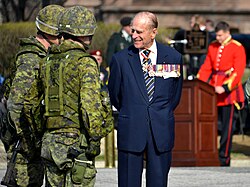
Officer (OC)
Awarded for achievement and merit of a high degree, especially in service to Canada or to humanity at large.
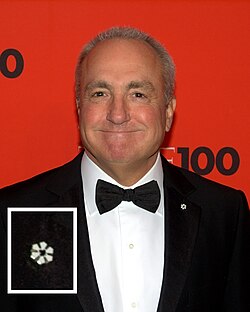
Member (CM)
Awarded for distinguished service in a particular field, achievement, or concurrence of service to a particular community.
While promotions between grades are possible, they typically do not occur within five years of the initial appointment. Additionally, the Governor General may make up to five honorary appointments to any grade each year; as of August 2025, there have been 27 such honorary appointments.
Governance and Administration
The Order is managed by an advisory council that oversees nominations and appointments. As of December 2025, this council is chaired by Richard Wagner, the Chief Justice of Canada, and includes prominent figures such as Alain-G. Gagnon (President of the Royal Society of Canada) and Michael Sabia (Clerk of the Privy Council).
Summary of Order Details
| Feature | Details |
|---|---|
| Founder | Elizabeth II |
| Current Sovereign | Charles III |
| Eligibility | All living Canadians (excluding active politicians/judges) |
| Precedence (Higher) | Member of the Order of Merit |
| Precedence (Lower) | Commander of the Order of Military Merit |
Insignia and Symbols
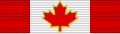
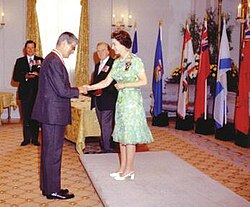
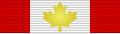
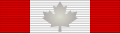
Each grade of the Order is accompanied by specific insignia, including a ribbon bar and a medal. These symbols represent the prestige and the values of the Canadian state.
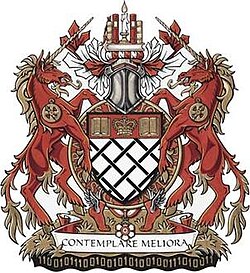
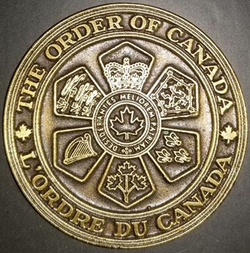
The visual identity of the Order is further reinforced by the official seal and the coat of arms of the Chancellor and Principal Companion, which display the order's motto and insignia.
Controversies and Removals
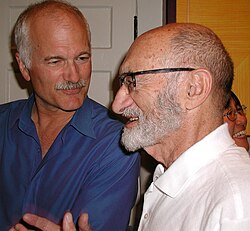
While the Order is a symbol of honor, it has not been without controversy. Some appointments have sparked public debate, such as that of Henry Morgentaler. In other instances, individuals have refused the honor or resigned from the Order in protest.
The Governor General also possesses the authority to terminate appointments. Members have been stripped of their honors for various reasons, including criminal convictions (such as fraud or forgery) or other conduct deemed incompatible with the Order. Notable examples include the revocation of memberships for individuals like Conrad Black and Garth Drabinsky.
Frequently Asked Questions
Who is eligible to be appointed to the Order of Canada?
All living Canadians are eligible. However, federal and provincial politicians and judges are not eligible for appointment while they are currently holding office.
Can a person be promoted within the Order?
Yes, promotions in grade are possible, although they are ordinarily not granted within five years of the initial appointment.
What is the significance of the Canadian Oath of Citizenship?
Since 1994, recipients of the Order of Canada are the only regular citizens who are empowered to administer the Canadian Oath of Citizenship to new citizens.
Can an appointment to the Order of Canada be revoked?
Yes, the Governor General can terminate an appointment. This typically occurs in cases of serious misconduct or criminal convictions that bring the Order into disrepute.
What are the three grades of the Order?
The three grades are Companion (CC), Officer (OC), and Member (CM), each representing a different level of achievement and service.