Orchid Fever: The Perilous Quest of Victorian Orchid Hunters
In the early 19th century, a botanical obsession known as orchid fever swept through Victorian society. What began as a curiosity for exotic flora evolved into a high-stakes pursuit that drove explorers into the most dangerous corners of the globe. This era of botanical obsession transformed the orchid from a mere plant into a symbol of status and wealth, sparking a profession defined by extreme risk and ruthless competition.
The Spark of Obsession
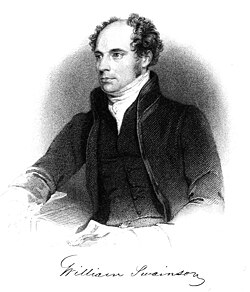
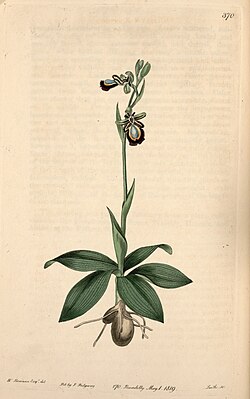
The craze is often traced back to 1818 and the British ornithologist William Swainson. While collecting plants in Rio de Janeiro, Swainson sent a shipment of tropical specimens to London. According to popular legend, he used orchids—which he mistakenly believed were parasitic plants (plants that derive some or all of their nutritional requirements from another living plant)—as packing material. When one of these orchids bloomed upon arrival, Londoners were captivated by its vivid colors and unusual shape.
While the story of using Cattleya labiata as packing material may be a myth, evidence suggests Swainson recognized the orchid's value and ensured the plants received proper care upon reaching Barnet. Regardless of the origin, this event ignited a demand that far outstripped supply.
As the demand grew, the plants became increasingly expensive. However, the journey from the tropics to Europe was treacherous; approximately half of the orchid plants perished during transit. This scarcity gave rise to the professional orchid hunter.
The Perils of the Hunt
Orchid hunters ventured into uncharted territories, facing a gauntlet of life-threatening challenges. From tropical diseases and venomous snakes to floods and wild animals, the environment was as hostile as the competition. The pursuit often led them into conflict with indigenous populations or left them vulnerable to the elements.
Tragedies in the Field
- The Philippines (1901): A party of eight hunters suffered devastating losses. One was killed by a tiger, another was burned alive by spilled oil, and five vanished entirely. Only one survivor remained, returning with 7,000 specimens.
- Papua New Guinea: One group was taken hostage, resulting in the beheading of two members before Indonesian troops rescued the survivors.
- Colombia: Known as a prime location for orchids, it proved deadly for many. William Arnold drowned in the Orinoco River, David Bowman succumbed to dysentery, and Gustavo Wallis died of yellow fever in the Andean mountains.
Ruthless Competition and Survival
The rivalry between hunters was often as dangerous as the jungle itself. Albert Millican, a painter and hunter, noted that the business required heavy armament, including knives, cutlasses, revolvers, and rifles. Competition frequently devolved into personal vendettas.
In one instance, William Arnold nearly engaged in a duel with a rival. His employer's response was not to discourage the conflict, but to instruct Arnold to follow the rival and urinate on the competitor's collection to kill the plants. Such hostility was common; hunters rarely formed friendships with their rivals, regardless of their shared loneliness and homesickness.
Wilhelm Micholitz, one of the era's most skilled hunters, experienced the volatility of the trade firsthand. After a boat fire destroyed his collection, his employer, Sander, ordered him to return and recollect immediately, despite the impossibility of working during the rainy season. Micholitz's diaries reflect a deep longing for the stability of British or Dutch colonies after witnessing horrific tribal warfare in Papua New Guinea.
Legends and Lore of the Tropics
Survivors returned with tales that blurred the line between botany and horror. Some claimed that on the Solomon Islands, cannibals surrounded human sacrifices with beautiful orchids, suggesting the flowers grew richer from the blood of the victims. In Brazil, a hunter named Fosterman described a "village of the demon flowers," where orchids of unparalleled beauty emitted a scent so toxic it was lethal, rendering the flowers an unreachable mirage.
Summary of Orchid Hunting Risks
| Category | Specific Threats | Notable Examples |
|---|---|---|
| Environmental | Floods, wild animals, venomous snakes | Tiger attack in the Philippines |
| Medical | Dysentery, Yellow Fever, tropical diseases | Deaths of David Bowman and Gustavo Wallis |
| Human Conflict | Hostages, beheadings, rivalries | Papua New Guinea expeditions |
| Logistical | Shipwrecks, fires, transit death (50% loss) | Wilhelm Micholitz's boat fire |
The legacy of these daring and often brutal expeditions was highlighted in 2003 by the Royal Botanic Gardens, Kew. Their orchid festival, "In Search of Paradise," showcased the diaries, letters, and paintings that document the harrowing tales of Victorian exploration.
Key Facts
- Orchid Fever was triggered in 1818 by plants brought to London by William Swainson.
- Roughly 50% of orchids died during the voyage from the tropics to Europe.
- The profession of orchid hunter emerged due to high demand and extreme plant scarcity.
- Hunters faced diverse threats, including yellow fever, dysentery, and violent conflict.
- Competition was so fierce that employers sometimes encouraged the sabotage of rival collections.
Frequently Asked Questions
What caused the start of "orchid fever" in England?
It began in 1818 when William Swainson sent tropical plants from Rio de Janeiro to London. The blooming of an unusual orchid upon arrival fascinated the public, creating a massive demand for the flowers.
Why was orchid hunting so dangerous?
Hunters traveled to remote regions like the Philippines, Colombia, and Papua New Guinea, where they faced deadly diseases, wild animals, treacherous terrain, and violent conflicts with both indigenous peoples and rival hunters.
How did orchid hunters compete with one another?
Competition was intense and often hostile. Hunters carried weapons for protection and sabotage; in one case, a hunter was ordered to urinate on a rival's plants to destroy them.
What happened to the orchid hunters in the Philippines in 1901?
Out of a group of eight, only one survived. One was eaten by a tiger, one was burned alive by oil, and five disappeared. The sole survivor managed to collect 7,000 specimens.
Were all the stories from orchid hunters true?
Some accounts were likely exaggerated or legendary, such as Fosterman's "demon flowers" with lethal scents or stories of orchids being used during human sacrifices in the Solomon Islands.