Olympic Medals: History, Design, and Composition
For over a century, the Olympic medals have served as the ultimate symbol of athletic achievement. Awarded by the International Olympic Committee (IOC), these tokens of victory represent the pinnacle of sporting success. While the concept of rewarding the top three athletes is now a global standard, the physical form, material composition, and artistic design of these medals have evolved significantly since the first modern Games in 1896.
From the early days of solid gold to the modern use of sustainable materials and intricate artistry, the Olympic medal is more than just a prize; it is a historical record of the Games' heritage and the host cities' cultural identity.
Key Facts
- Standard Hierarchy: The gold, silver, and bronze sequence was established at the 1904 Summer Olympics.
- Gold Composition: Modern gold medals are actually made of at least 92.5% silver, plated with 6 grams of gold.
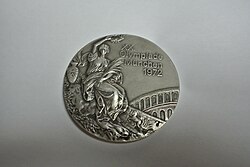
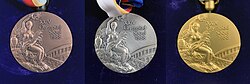
- Design Legacy: The "Trionfo" design was the dominant obverse image for Summer Games for several decades.
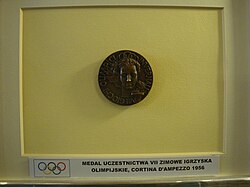
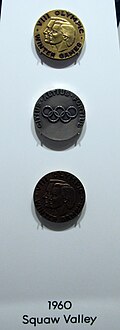
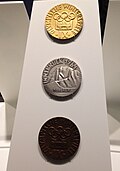
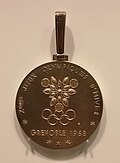
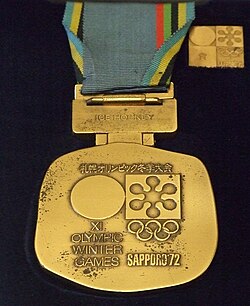
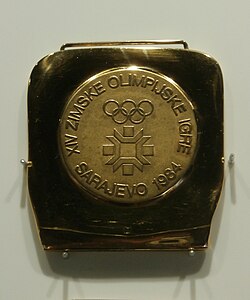
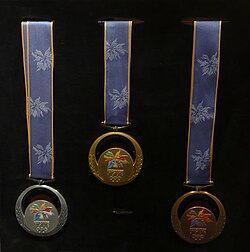
- Winter Variation: Winter Olympic medals have no single mandated design and often feature snowflakes.
- Physical Specs: Standard medals must have a minimum diameter of 60 mm and a minimum thickness of 3 mm.
The Evolution of Medal Tradition
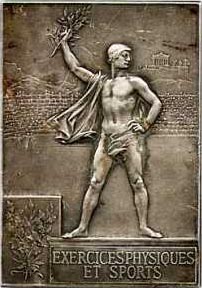
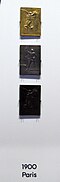
The tradition of awarding medals began in 1896, though the specific gold-silver-bronze hierarchy we recognize today did not become standard until the 1904 Summer Olympics in St. Louis. For the 1896 and 1900 Games, the IOC retroactively assigned these colors to the top three finishers.
In certain combat sports—including boxing, judo, taekwondo, and wrestling—the rules allow for two bronze medals per competition, meaning more bronze medals are distributed overall than gold or silver.
Material Composition and Value
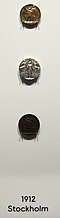
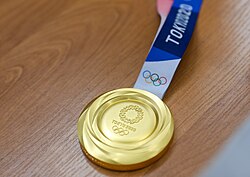
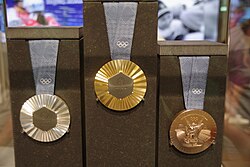
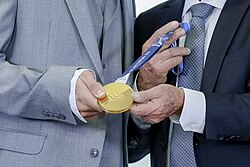
While called "gold," the first-place medal is a composite. To maintain a balance of value and durability, the IOC specifies that gold medals consist of at least 92.5% silver plated with 6 grams of gold. The silver medal is composed of 92.5% silver, and the bronze is primarily copper mixed with zinc and tin.
| Medal | Primary Composition | 2010 Value (Approx.) | Tokyo 2020 Value (Approx.) |
|---|---|---|---|
| Gold | ≥92.5% Silver, 6g Gold plating | $494 | $800 |
| Silver | 92.5% Silver | $260 | $460 |
| Bronze | 95-97% Copper, Zinc, Tin | $3 | $5 |
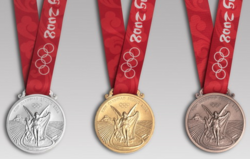
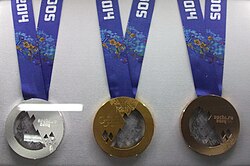
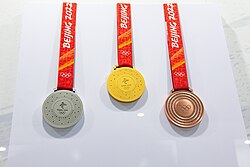
Historically, gold medals were made of solid gold from 1904 to 1912. In recent years, host cities have experimented with non-metallic inserts, such as jade in Beijing 2008, or glass, sparagmite, and lacquer in various Winter Games.
Artistic Design and Symbolism
The Summer Games and the Trionfo
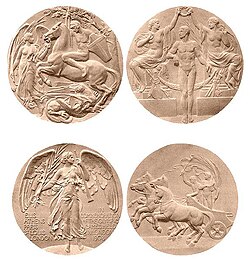
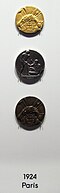
The first medals in 1896, designed by Jules-Clément Chaplain, featured Zeus holding Nike (the Greek goddess of victory) on the obverse and the Acropolis on the reverse. This established the tradition of the host city managing the minting process.
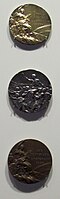
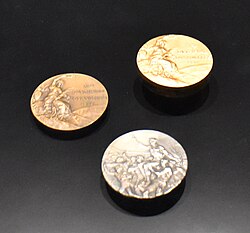
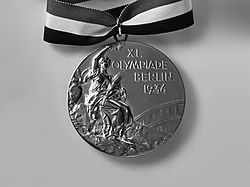
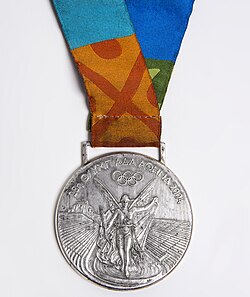
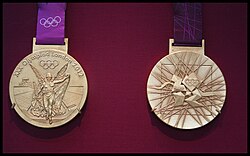
A pivotal moment in design came in 1928 with the introduction of the "Trionfo" design by Giuseppe Cassioli, depicting a crowd carrying a triumphant athlete. This design remained the standard for the obverse of Summer medals until 2004. In Athens 2004, the design shifted to feature the Panathenaic Stadium, which continues to appear on the reverse of Summer medals today, overlaid by the image of Nike.
Winter Games Variations
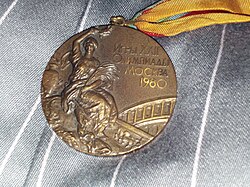
Unlike the Summer Games, the Winter Olympics have never had a mandated common design. This has allowed for greater creativity, with common motifs including snowflakes, laurel leaves, and crowns. Interestingly, the Olympic motto Citius, Altius, Fortius (Faster, Higher, Stronger) has appeared on four Winter medals but never on a Summer medal.
Presentation and Rewards
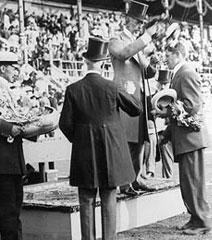
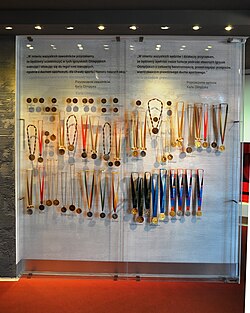
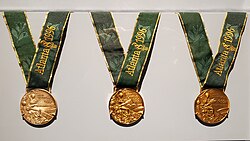
The method of presenting medals has also changed. It was not until the 1960 Rome Games that medals were first placed around the athletes' necks. While they originally hung from laurel leaf chains, they now use colored ribbons. Some Games have added extra honors, such as the olive wreath crowns in Athens 2004 or wooden statuettes in Rio 2016.
Beyond the medal itself, many nations provide financial incentives. In the 2024 Paris Games, 33 countries confirmed prizes for medallists, with 15 of those offering cash awards exceeding $100,000.
Frequently Asked Questions

Are Olympic gold medals made of solid gold?
No. Since 1912, gold medals have been composed of at least 92.5% silver and plated with 6 grams of pure gold.
Why are there more bronze medals than gold or silver?
Certain combat sports, such as judo and wrestling, award two bronze medals per event, which increases the total number of bronze medals distributed.
Who decides the design of the Olympic medals?
The International Olympic Committee (IOC) has the final decision on the specifications for all Summer, Winter, and Paralympic medals.
What is the "Trionfo" design?
Designed by Giuseppe Cassioli for the 1928 Amsterdam Games, the Trionfo design depicts a crowd of people carrying a triumphant athlete and served as the standard obverse for Summer medals for many years.
Do Winter Olympic medals follow the same design rules as Summer medals?
No. Winter medals have a much greater variety of designs and shapes, as the IOC has never mandated a single common design for the Winter Games.